
How Does Natural Gas Affect The Environment
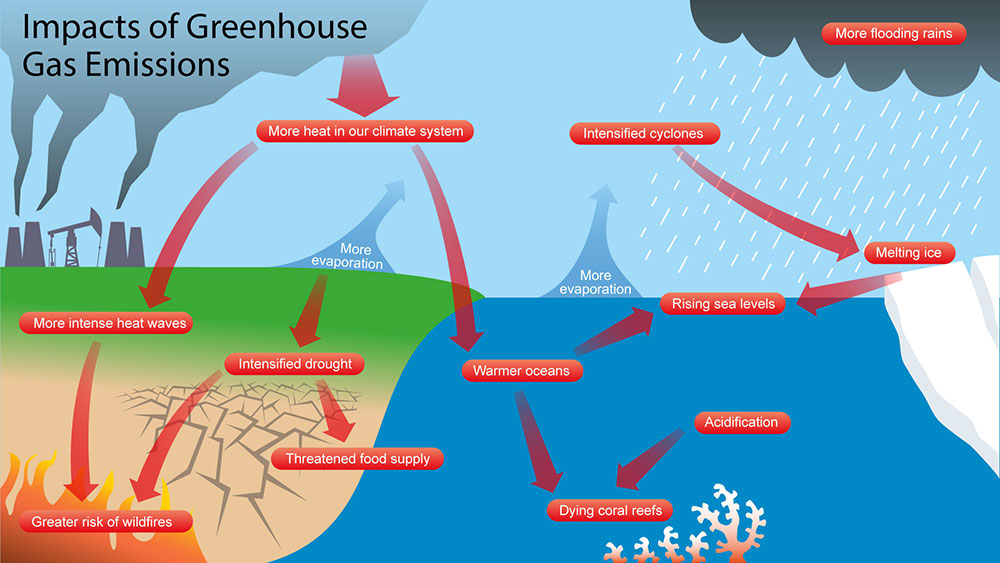
Alright, gather 'round, friends! Let's talk about natural gas. You know, that stuff powering your stove, maybe even your furnace? It's time we had a little heart-to-heart about its environmental impact. Buckle up, because it's a bit of a rollercoaster – less thrilling, more like that rickety wooden one at the county fair that you secretly regret riding.
So, the big question: Is natural gas a villainous polluter, twirling its mustache and cackling maniacally? Or is it more of a misunderstood hero, just trying to do its best in a complicated world? Well, the answer, as always, is… it's complicated. Like trying to assemble IKEA furniture without the instructions.
The Good-ish News (Relatively Speaking)
Let's start with the "good-ish" news. Compared to its coal-burning, oil-guzzling cousins, natural gas is generally considered the cleaner fossil fuel. I said cleaner, not clean. Don't go hugging your gas stove just yet.
Must Read
When burned, natural gas produces less carbon dioxide (CO2) than coal or oil. CO2, as you may know, is that pesky greenhouse gas contributing to climate change, the thing that's making our summers feel like we're living on the sun. So, less CO2 is a good thing, like discovering you have hidden chocolate in your pantry you totally forgot about!
Natural gas also produces fewer air pollutants like sulfur dioxide and nitrogen oxides, which contribute to acid rain and smog. Think of smog as a grey, grumpy monster that makes you cough and wish you lived on a mountaintop. Natural gas is like the monster's slightly less grumpy nephew. Still a monster, just...a bit nicer.

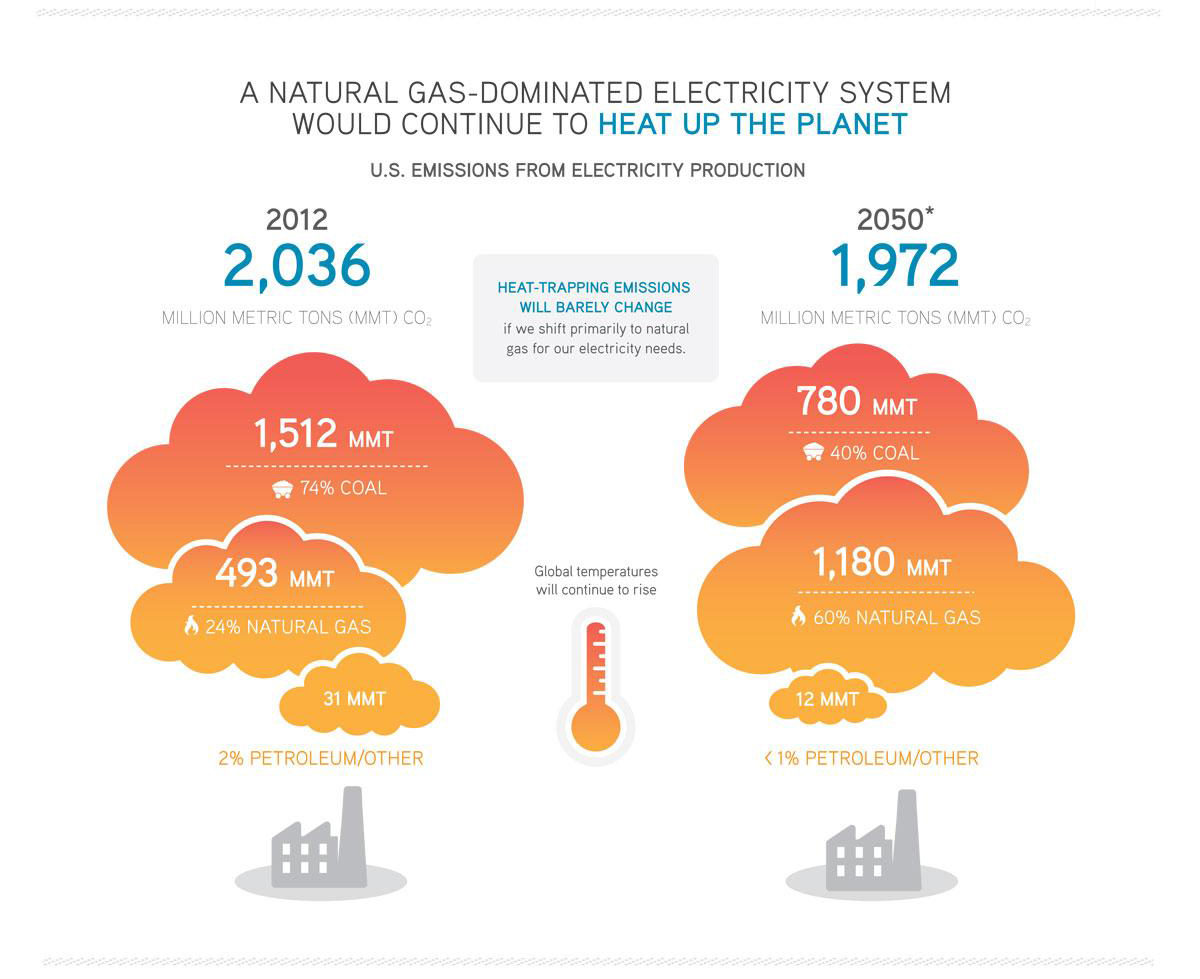
Because of these advantages, many power plants have switched from coal to natural gas. This has led to a reduction in overall emissions in some areas. Score one for the slightly less grumpy monster!
The Not-So-Good News (The Part Where You Frown)
Okay, now for the downer. Ready? Methane. That's the main component of natural gas, and it's a real stinker (literally and figuratively) when it leaks into the atmosphere.
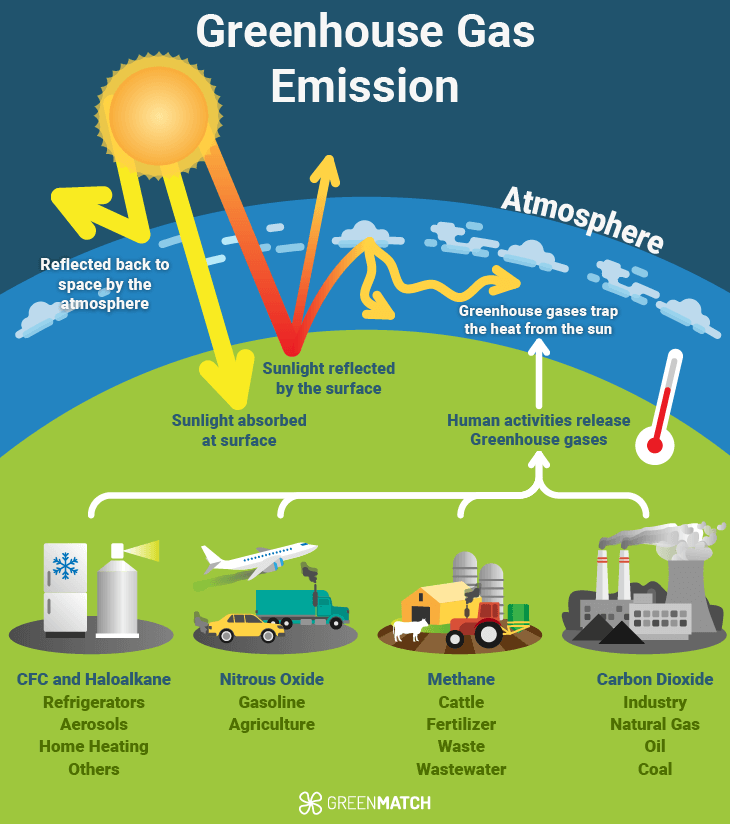
Methane is a potent greenhouse gas, even more so than CO2, at least in the short term. Think of it like this: CO2 is like a steady drip from a leaky faucet, constantly adding to the problem. Methane is like someone suddenly dumping a bucket of water – a much bigger splash right away, even though it doesn't last as long. Leaks can happen during drilling, processing, transportation – basically, any step of the way. Imagine your plumbing having a sneeze and methane shoots out.
Even small methane leaks can have a significant impact on the climate. And let's be honest, these leaks are happening more often than we'd like to admit. Remember that scene in "Jurassic Park" when they said, "Life finds a way?" Well, methane finds a way to leak. It's practically a superpower!
Another issue is the extraction process itself, particularly hydraulic fracturing, or "fracking." Fracking involves injecting water, sand, and chemicals into shale rock to release trapped natural gas. This can contaminate groundwater, cause earthquakes (tiny ones, usually, but still!), and disrupt local ecosystems. So, while you're enjoying your gas-powered grill, somewhere a fish is probably thinking, "Thanks a lot, human."
The Ugly Truth: It's All Interconnected
Here’s the thing: The environmental impact of natural gas isn't just about emissions. It's about the whole lifecycle, from drilling the well to burning the gas in your furnace. It's a tangled web of consequences, like that Christmas light string you can never seem to untangle.

Investing in natural gas infrastructure can also delay the transition to truly renewable energy sources like solar and wind. Why bother building a solar farm when you've just invested billions in a natural gas pipeline? It's like buying a brand new VHS player right when Blu-ray is taking over.
Ultimately, the key takeaway is that natural gas is not a silver bullet. It's not a guilt-free pass to continue burning fossil fuels without consequence. It's more like a Band-Aid on a broken leg – it might help a little, but you're still going to need a proper solution. We need to focus on truly sustainable energy sources if we want to avoid cooking the planet (literally!). Let's not fry the planet.
So, the next time you flick on your gas stove, take a moment to think about the journey that gas took to get there. And maybe, just maybe, consider switching to an induction cooktop. Your future self (and the planet) might thank you. The Earth is watching you.