
How Does Metal 3d Printing Work
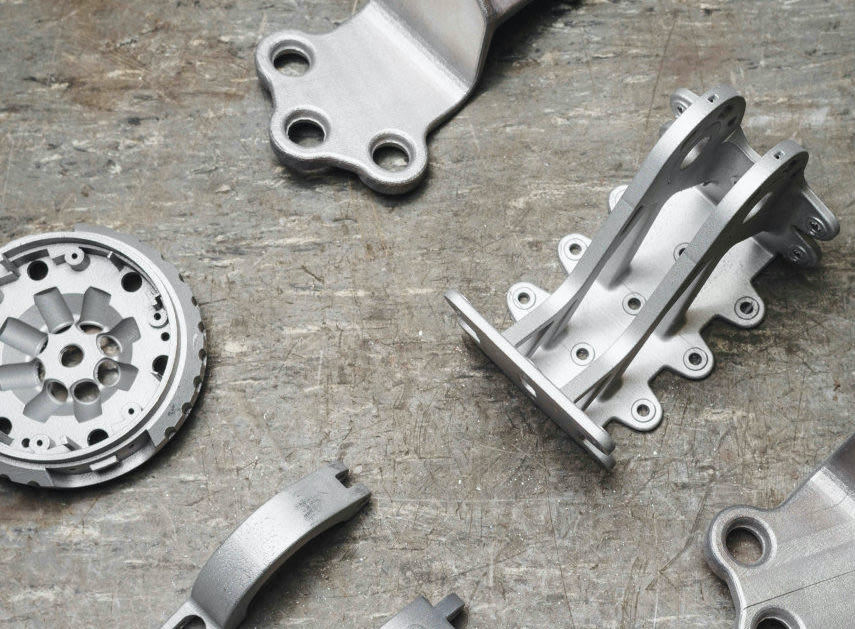
Okay, picture this: You’re trying to fix something around the house – maybe a finicky drawer slide, or a tiny, irreplaceable part on your espresso machine that just snapped. You search online, scour every hardware store, and eventually, with a sigh, realize this specific, oddly shaped component simply doesn't exist anymore. Or worse, it costs an arm and a leg to replace the whole darn unit for one tiny piece. Frustrating, right? You probably think, "If only I could just manifest this part into existence!"
Well, hold onto your hats, because what if I told you that for metal parts, we're actually getting pretty darn close to manifesting them? We're talking about the mind-bending magic that is metal 3D printing. It sounds like something straight out of a sci-fi movie, doesn't it? Like Iron Man's suit being assembled on the fly, or a space engineer whipping up a custom bracket on Mars. And while we're not quite at Star Trek replicator levels yet (give us a few more years!), the reality of printing intricate, functional metal objects is absolutely here, and it's spectacular.
So, How Does This Sorcery Actually Work?
Forget your desktop plastic 3D printer for a second, because while the concept is similar – building things layer by teeny-tiny layer – the materials and temperatures involved here are on a whole different level. We're dealing with metals like titanium, stainless steel, aluminum, and even superalloys. We're not talking about melting plastic with a glorified hot glue gun, my friend.
Must Read
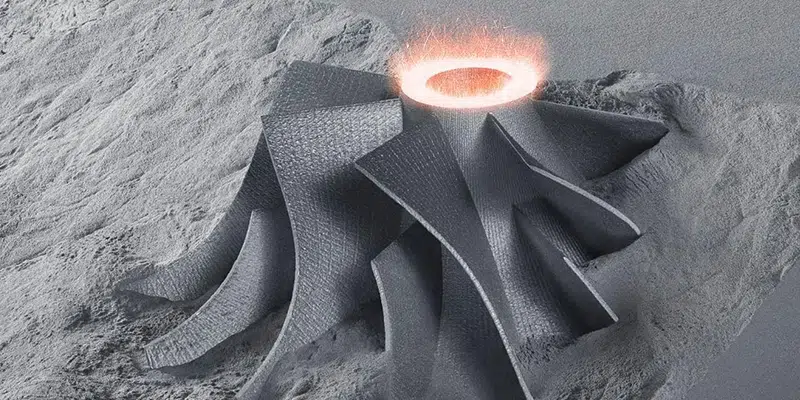
The most common method, and arguably the coolest to visualize, is called Powder Bed Fusion. Think of it like a very high-tech, incredibly precise sandcastle builder, but instead of sand and water, we have extremely fine metal powder and a super-powerful laser.
Here's the gist of it:
First, you need a 3D model of whatever you want to print. This is your digital blueprint, designed on a computer. Then, the software slices this model into hundreds, sometimes thousands, of ultra-thin layers – imagine slicing a loaf of bread, but way, way thinner.
Next, inside a sealed chamber (often filled with inert gas to prevent oxidation, because, you know, molten metal reacting with air isn't ideal!), a thin layer of that fine metal powder is spread across a build plate. It's like sweeping flour across a countertop, but with robotic precision.
Then, the real show begins! A high-powered laser (or sometimes an electron beam) sweeps across the powder bed, precisely tracing the cross-section of your part for that specific layer. Wherever the laser hits, the metal powder melts and fuses together, bonding to the layer below it. It cools almost instantly, becoming a solid piece of metal.
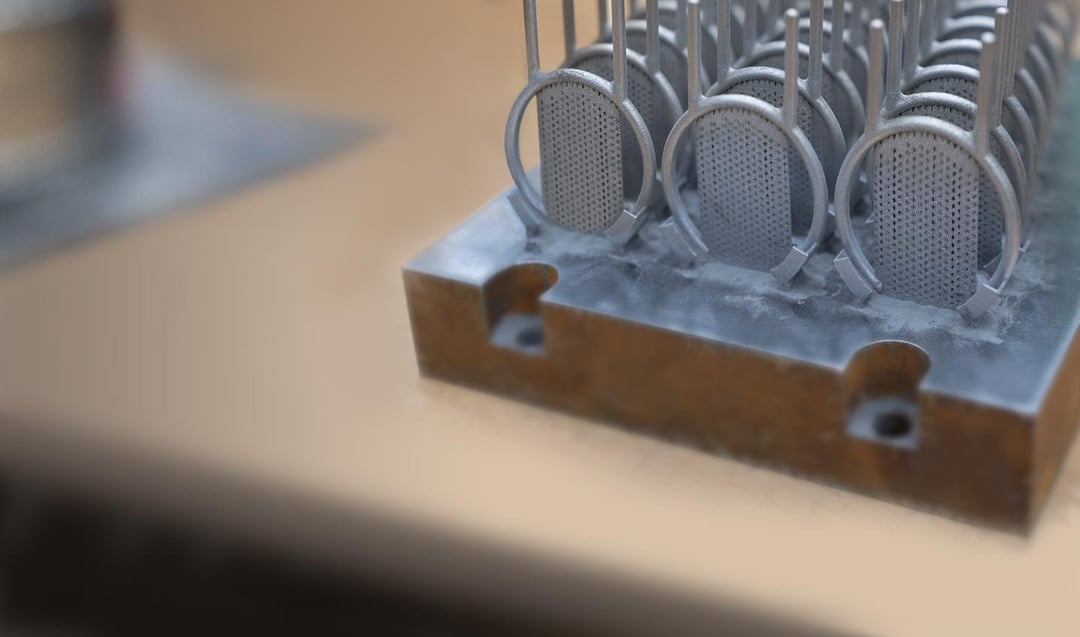
Once that layer is done, the build plate drops down a fraction of a millimeter, a fresh layer of powder is spread over the top, and the laser gets to work again. This process repeats, layer after painstaking layer, until your entire object is built, often completely buried in a bed of unfused metal powder. It's like an archaeological dig in reverse – uncovering a finished part from its metallic 'soil.' Pretty neat, huh?
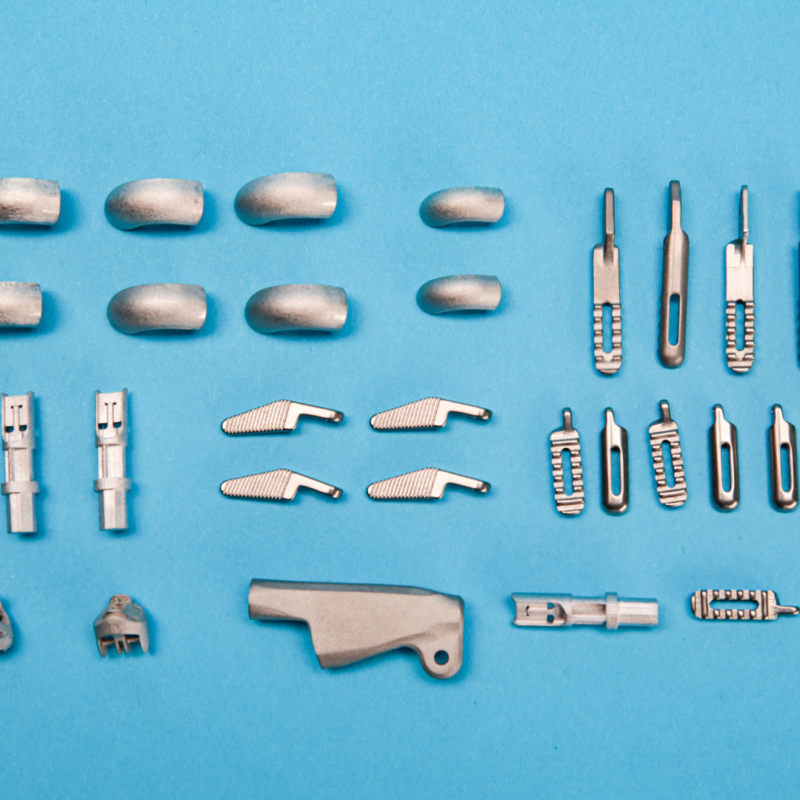
After the printing is done, there's usually some post-processing involved. This can mean shaking off the excess powder (which can be reused!), removing any support structures (these are temporary bits printed to hold up overhanging parts, just like in plastic 3D printing), and sometimes heat treating the part to improve its strength or relieve internal stresses. Et voila! You have a fully functional, often incredibly complex, metal part that simply couldn't be made with traditional manufacturing methods.
Why Bother with Such Fancy Tech?
You might be thinking, "That sounds complicated and probably expensive!" And sure, it's not cheap to set up. But the advantages are genuinely revolutionary.

- Complexity for Free: Traditional manufacturing (molding, machining) struggles with intricate internal geometries, hollow structures, or designs that would require multiple parts to be assembled. Metal 3D printing can create parts with internal lattices that make them incredibly strong yet lightweight – perfect for aerospace or medical implants.
- Customization King: Need a custom hip implant perfectly tailored to a patient's anatomy? No problem. A unique part for a vintage race car? Done.
- Reduced Waste: Instead of cutting away material from a large block (subtractive manufacturing), you're only using the material you need (additive manufacturing). That means less scrap, which is great for expensive metals like titanium.
- Speed & Iteration: Design a part, print it, test it, tweak it, print it again – all in a fraction of the time it would take to tool up for traditional manufacturing.
While powder bed fusion is the superstar, there are other cool kids on the block too, like Binder Jetting (where a liquid binder glues powder particles together before being sintered in a furnace) or Directed Energy Deposition (where wire or powder is fed into a melt pool created by a laser or electron beam). Each has its own superpowers, but they all share that core principle: building metal, layer by incredibly precise layer.
So, the next time you marvel at a super-light airplane bracket, an intricate surgical tool, or even just ponder that broken espresso machine part, remember the quiet revolution happening in metal 3D printing. It's taking us from merely wishing for that impossible part to literally printing it into existence. The future, my friend, is being built, one molten metal layer at a time. And frankly, it’s pretty awesome.