How Does Hydroelectric Power Make Electricity
Okay, so picture this: I'm whitewater rafting last summer, and we're careening down this crazy rapid. Our guide, bless his sun-baked soul, yells, "Feel that power?! That's nature's electricity waiting to happen!" I was mostly feeling terror at the time, but afterwards, I started wondering… he had a point! All that rushing water does seem like it's got a lot of potential. Which leads us to today’s question: How the heck do we turn that roaring river into the lightbulb above your head? Let’s dive in!
Harnessing the Flow: The Basic Hydroelectric Setup
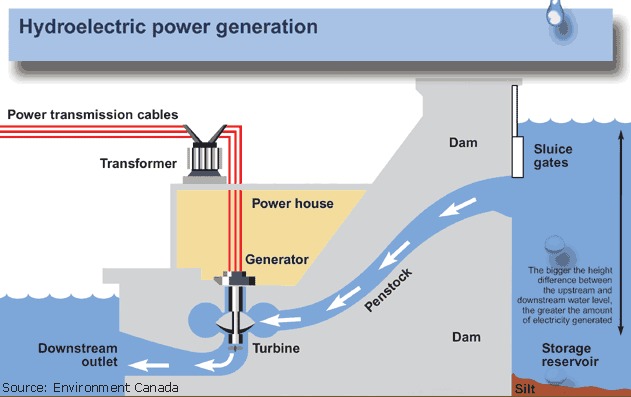
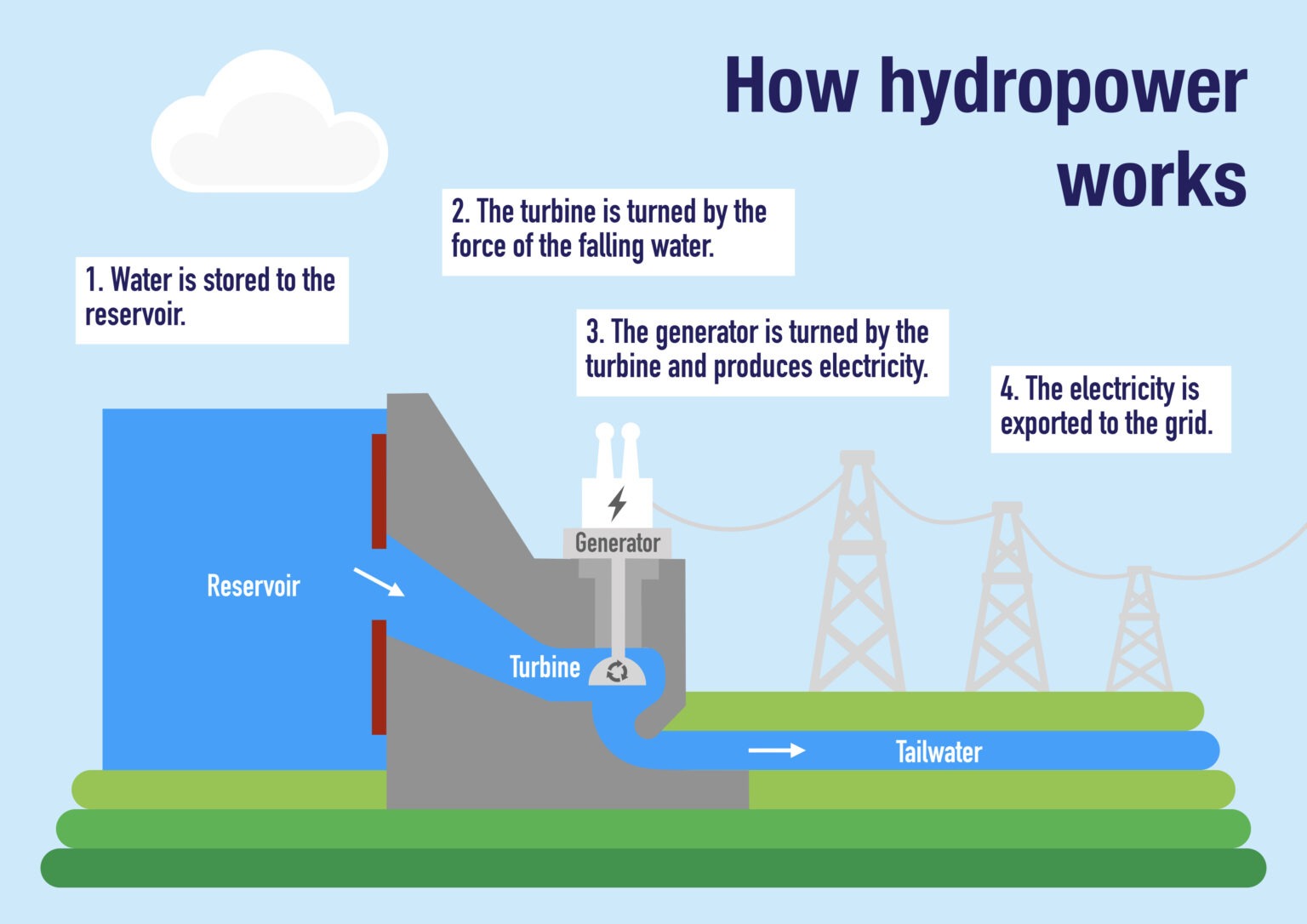
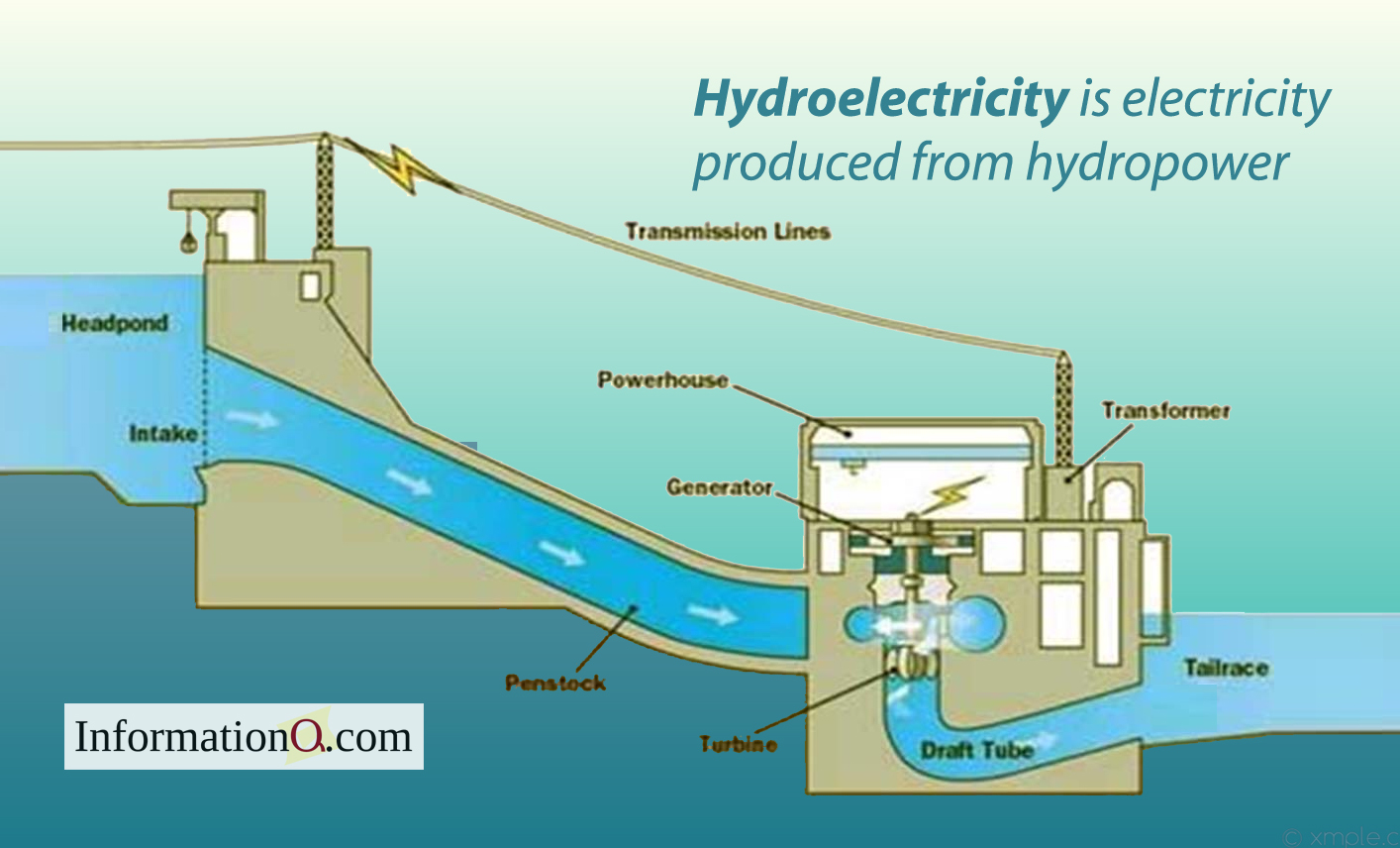
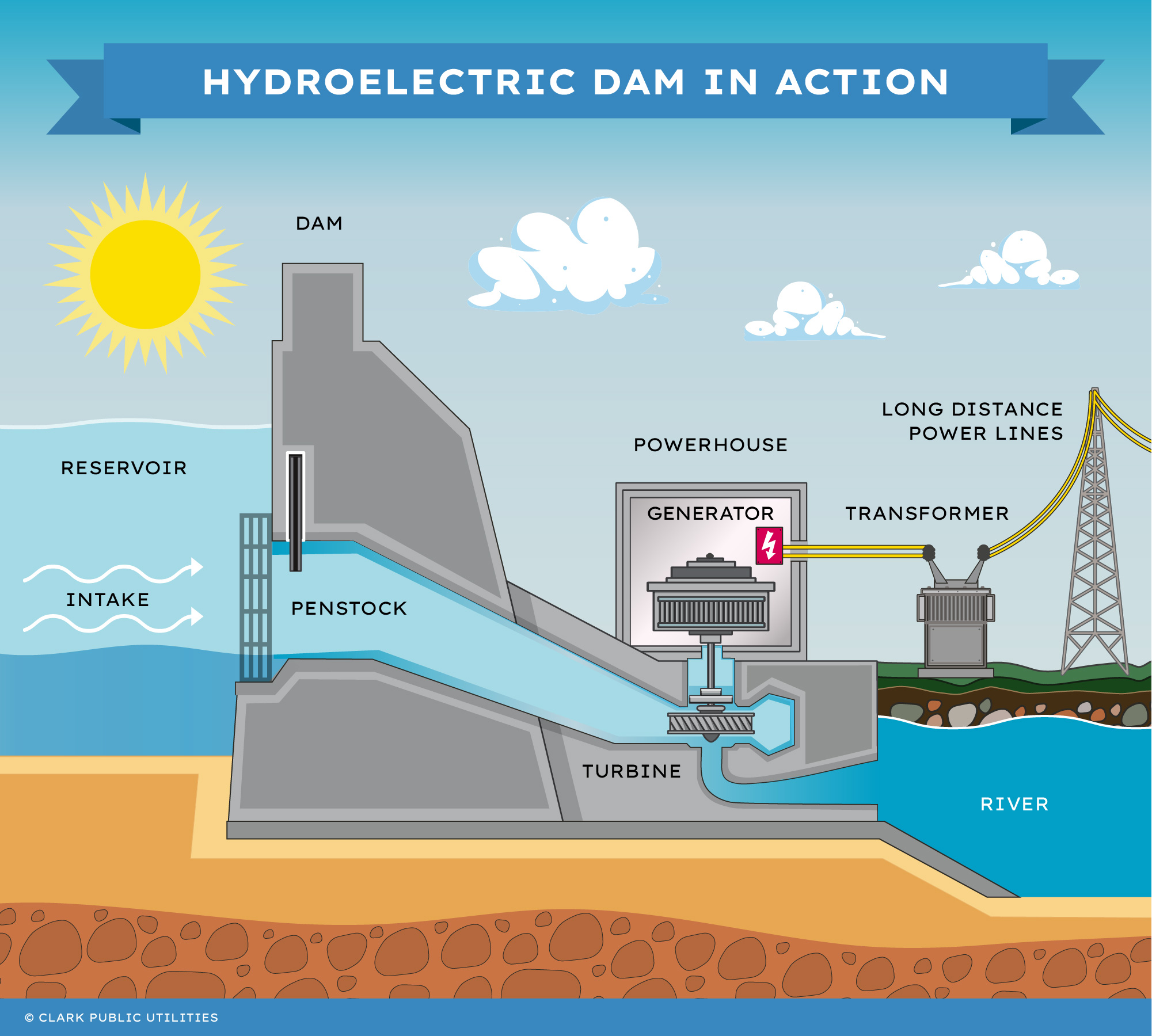
At its core, hydroelectric power, or hydropower, is all about using the energy of moving water. Think of it like a super-powered water wheel…but way more sophisticated. The most common type of hydropower plant relies on a dam to create a reservoir – basically, a big artificial lake. Now, here's where the magic happens.
The water in the reservoir is allowed to flow through an intake and down a penstock. What’s a penstock, you ask? It’s essentially a giant pipe that channels the water, increasing its speed and pressure. Imagine squeezing a garden hose – same principle!
Must Read
This high-pressure water then slams into a turbine. Think of a turbine as a giant pinwheel, but much, much stronger. The force of the water makes the turbine spin like crazy. And here's where physics steps in to save the day!
The Turbine's Secret: Converting Kinetic Energy
As the turbine spins, it's connected to a generator. (Side note: Generators are also used in coal and nuclear power plants, just using different sources to spin them, like steam.) This generator is where the kinetic energy (the energy of motion) of the turbine gets transformed into electrical energy.
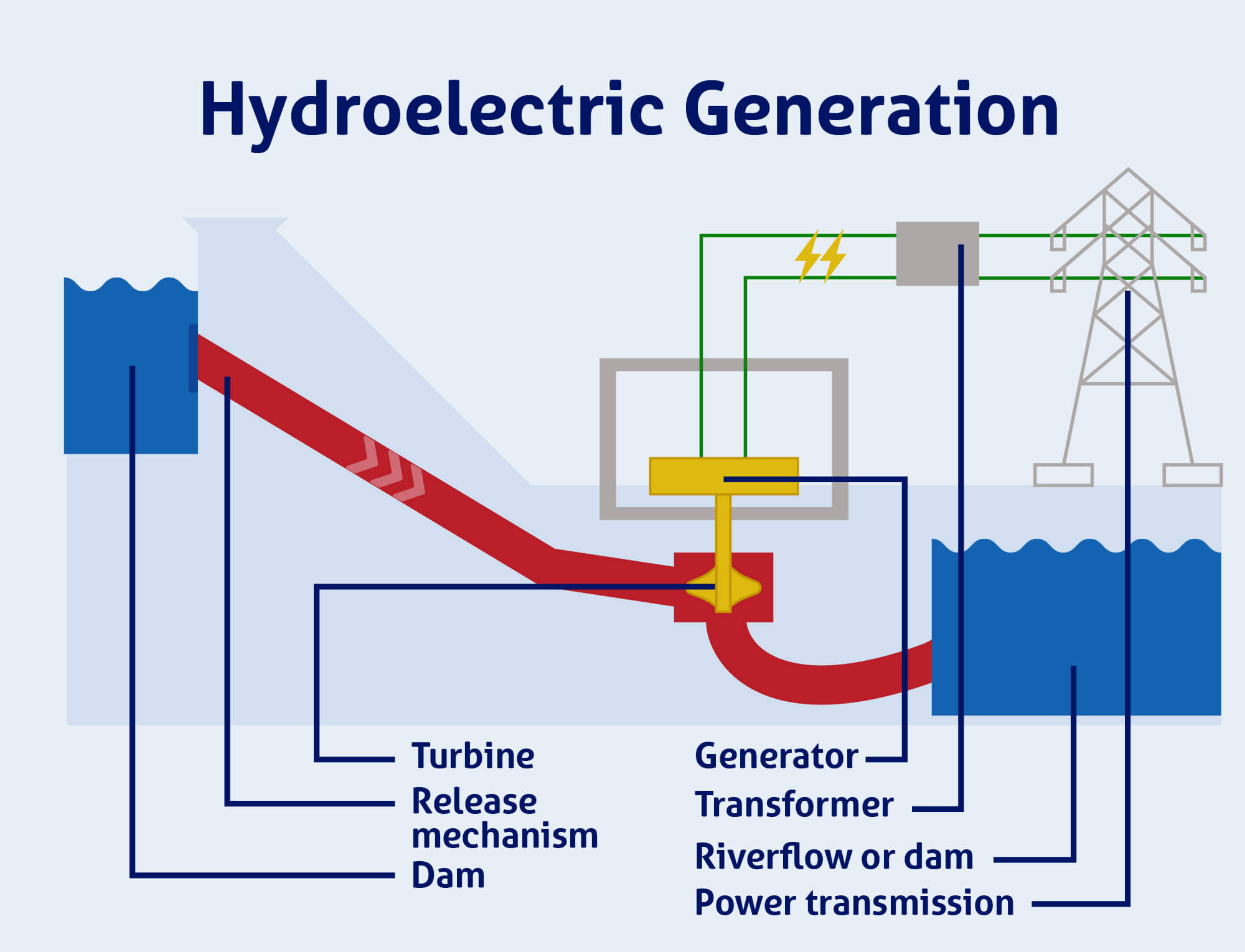
How does that transformation happen? Well, inside the generator are coils of wire and powerful magnets. When the turbine spins, it spins these coils of wire within the magnetic field. This generates an electric current, thanks to the wonders of electromagnetism. (Remember high school physics? No? Me neither, really, but trust me, it works!)
This electricity then travels through transformers to increase the voltage, making it suitable for long-distance transmission over power lines. And boom! You’ve got electricity ready to power your home, charge your phone, or watch that cat video you’ve been meaning to see.
Types of Hydropower: More Than Just Dams
While dams are the most well-known form of hydropower, there are other methods too! Run-of-river hydropower, for example, harnesses the natural flow of a river without creating a large reservoir. These systems have less environmental impact because they don’t flood large areas. (Though they do have limitations, like depending on consistent river flow... droughts aren't their friend.)
Pumped storage hydropower is another interesting method. This involves pumping water uphill to a reservoir during times of low electricity demand, using excess energy from other sources. Then, when demand is high, the water is released back down to generate electricity. It’s like a giant, water-based battery! Pretty clever, huh?
Hydropower: Clean Energy…But Not Perfect
Hydropower is a renewable energy source because it relies on the constant cycle of water. It also produces zero greenhouse gas emissions during operation, which is a huge win for the environment! We like that, don't we?
However, it’s important to acknowledge that hydropower isn't without its drawbacks. Damming rivers can have significant impacts on ecosystems, disrupting fish migration, altering water flow, and potentially flooding habitats. It’s a complex issue with both pros and cons. Like everything else in life, it's a trade-off.
So, there you have it! The next time you flip on a light switch, maybe take a second to think about the journey that electricity took to get there. It might have started with a rushing river, a spinning turbine, and a whole lot of ingenuity. Pretty cool, right?