How Does Global Warming Affect The United States
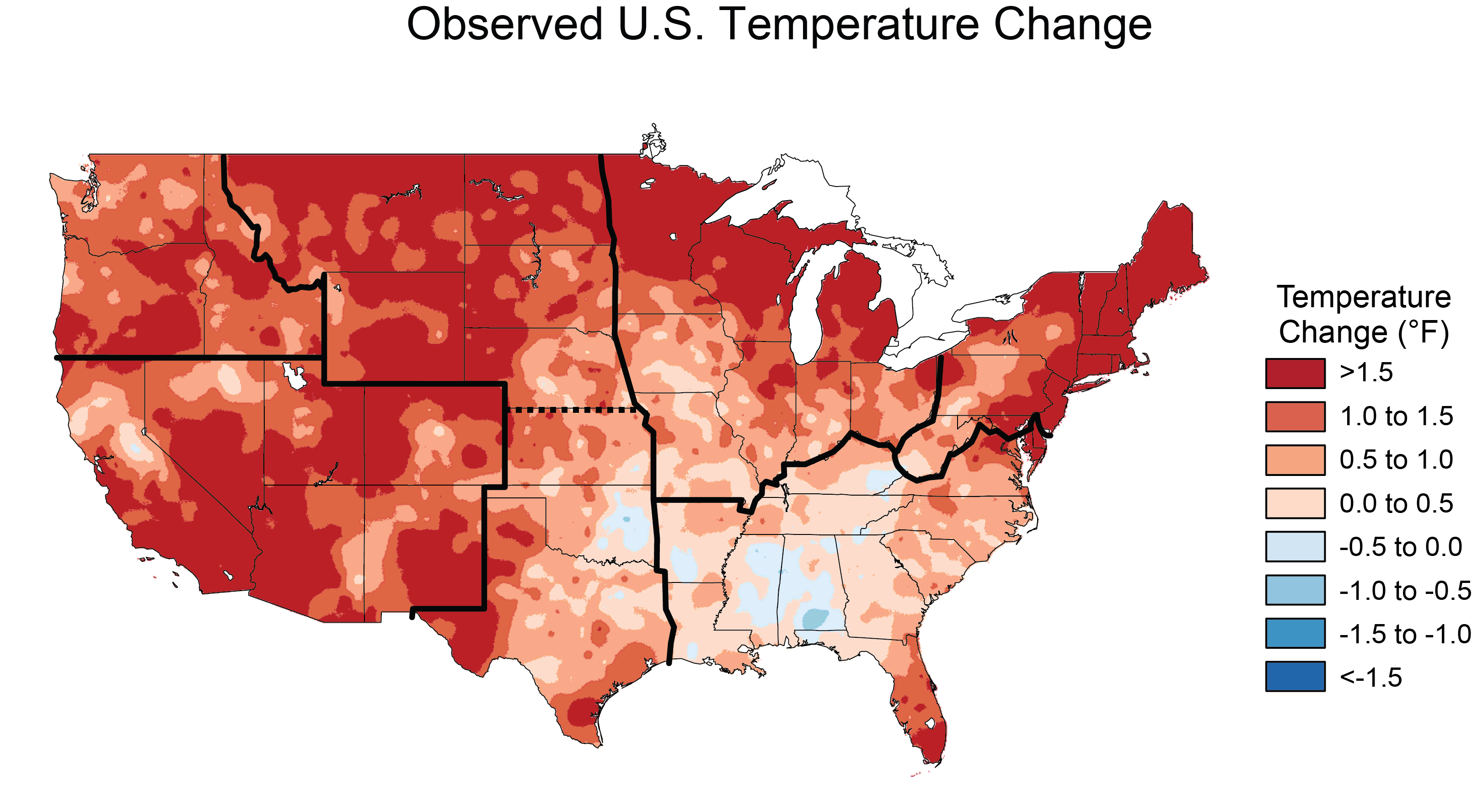
Okay, let's talk about something that's been heating up the headlines (and, well, pretty much everything else): Global Warming. Now, before you groan and reach for the remote, think of this less as a lecture and more as an epic landscape painting project, but with consequences – consequences that are already reshaping our lives and the very ground beneath our feet right here in the good ol' US of A.
Why should you, the average artist, hobbyist, or curious mind, care? Because global warming isn’t just about melting glaciers and grumpy polar bears (although, those are important!). It's about understanding the shifting dynamics of our world. Think of it as observational art on a grand scale! For artists, it provides endless inspiration – dramatic weather patterns, changing coastlines, the struggle of ecosystems. For hobbyists, understanding the science unlocks a deeper appreciation for nature walks, gardening, even stargazing, as changing atmospheric conditions can affect visibility. And for casual learners? It's a crash course in interconnectedness, demonstrating how our actions ripple outwards and impact everything around us. It's fascinating stuff!
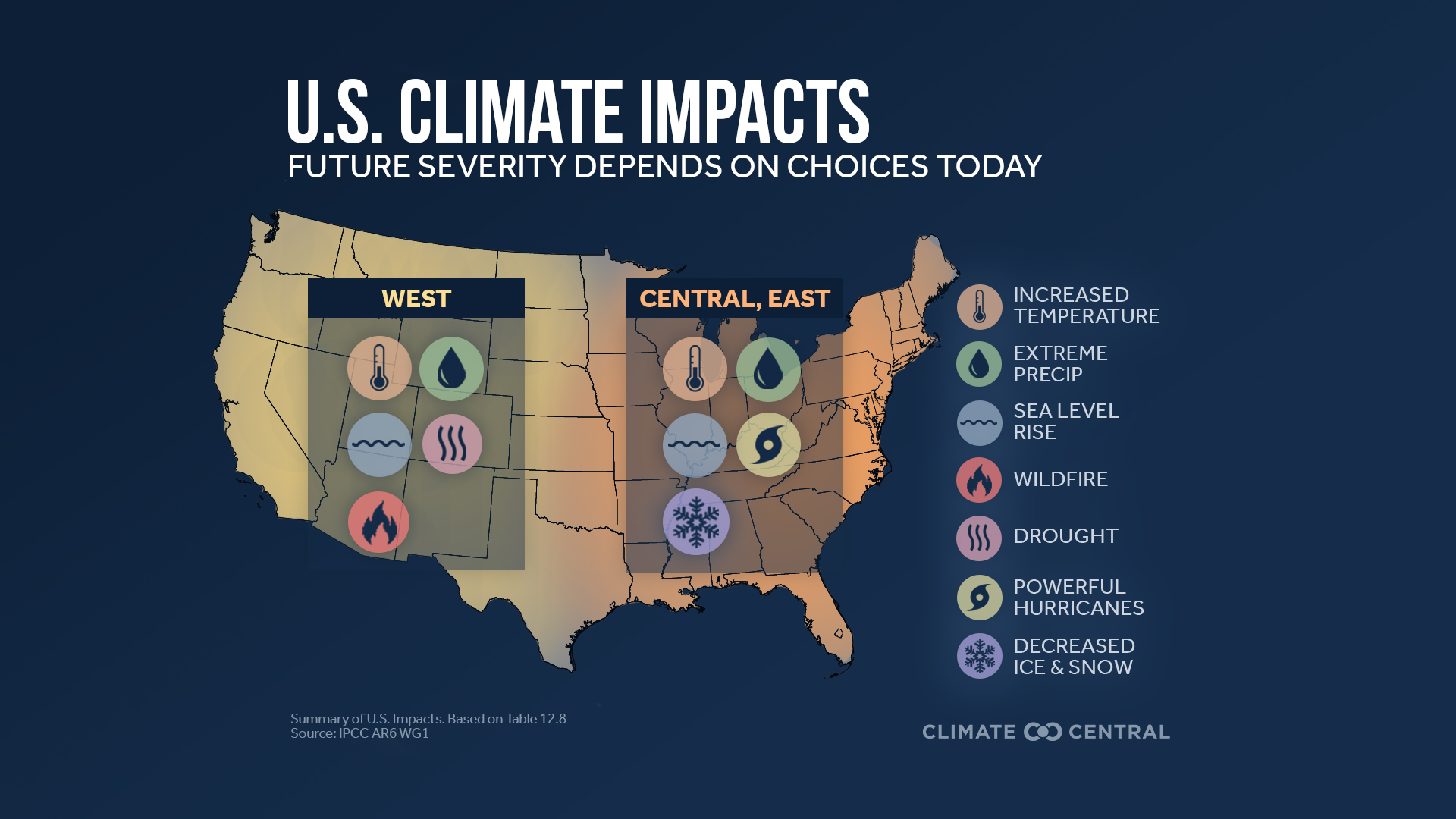
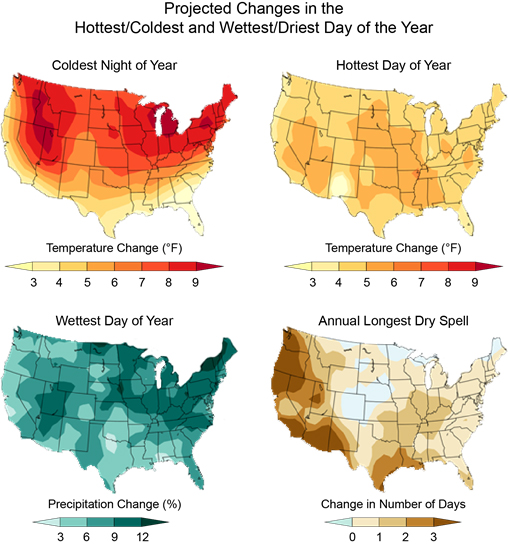
So, how does global warming affect the United States? Let's break it down with examples you can practically paint (or sculpt, or photograph, or write poetry about):
Must Read
- Rising Sea Levels: Imagine painting a coastal scene, but each year, the shoreline creeps further inland. From Miami to New York, coastal cities are facing increased flooding. Consider styles ranging from vibrant impressionism capturing the beauty of the sea, to stark, documentary-style photography showcasing the encroaching water. Think vibrant sunsets juxtaposed with flooded streets.
- Extreme Weather Events: Hurricanes, wildfires, droughts – they're becoming more frequent and intense. Artists could explore abstract expressionism to convey the chaos of a hurricane, or create hyper-realistic paintings depicting the devastation of a wildfire. Subjects could include a parched landscape, a family struggling to rebuild, or the awe-inspiring power of a storm.
- Changing Ecosystems: Think of the iconic American landscapes - the Joshua Trees in California, the maple forests of New England, the Everglades in Florida. Global warming is altering these environments, forcing species to migrate or face extinction. Artists can document these changes through detailed botanical illustrations, wildlife photography, or even create speculative art exploring the future of these ecosystems. Styles could range from scientific illustration to surrealist interpretations of altered landscapes.
Want to try exploring this theme at home? Here are a few tips:
- Document your local environment: Take photos, sketch landscapes, keep a nature journal. Observe how the weather is changing and how it's impacting your surroundings.
- Research local impacts: Learn about the specific ways global warming is affecting your community. Use this information to inform your artwork.
- Experiment with different styles and mediums: Don't be afraid to try new things! Use art as a way to express your feelings and ideas about global warming.
- Share your work: Connect with other artists and share your creations. Use your art to raise awareness and inspire action.
Ultimately, exploring the effects of global warming through art is enjoyable because it allows us to connect with a complex and challenging issue on a personal level. It transforms data and abstract concepts into something tangible and emotional. It allows us to process our feelings, express our concerns, and find beauty and meaning in the face of adversity. So grab your brushes, cameras, or whatever your medium of choice, and start creating! Let's paint a picture of a world worth fighting for, one artwork at a time.