How Does Geothermal Energy Impact The Environment
Let's be honest, who doesn't love the idea of harnessing the Earth's own heat to power our lives? There's something deeply satisfying about tapping into a natural, seemingly limitless resource, especially when it comes to keeping our homes cozy in the winter or providing clean, reliable energy. Geothermal energy, quite literally "Earth heat," is gaining traction as a sustainable alternative to fossil fuels, and for good reason. It offers a way to generate electricity and heat buildings with a significantly smaller carbon footprint.
The benefits of geothermal energy are multifaceted. First and foremost, it's a renewable resource. The Earth's core is constantly generating heat, ensuring a practically inexhaustible energy source for generations to come. Secondly, geothermal power plants have a relatively small land footprint compared to other energy sources like coal or solar farms. They also provide a consistent and reliable energy supply, unlike solar and wind power which are intermittent and depend on weather conditions. Think of it as a steady, rumbling engine of power, always humming beneath our feet.
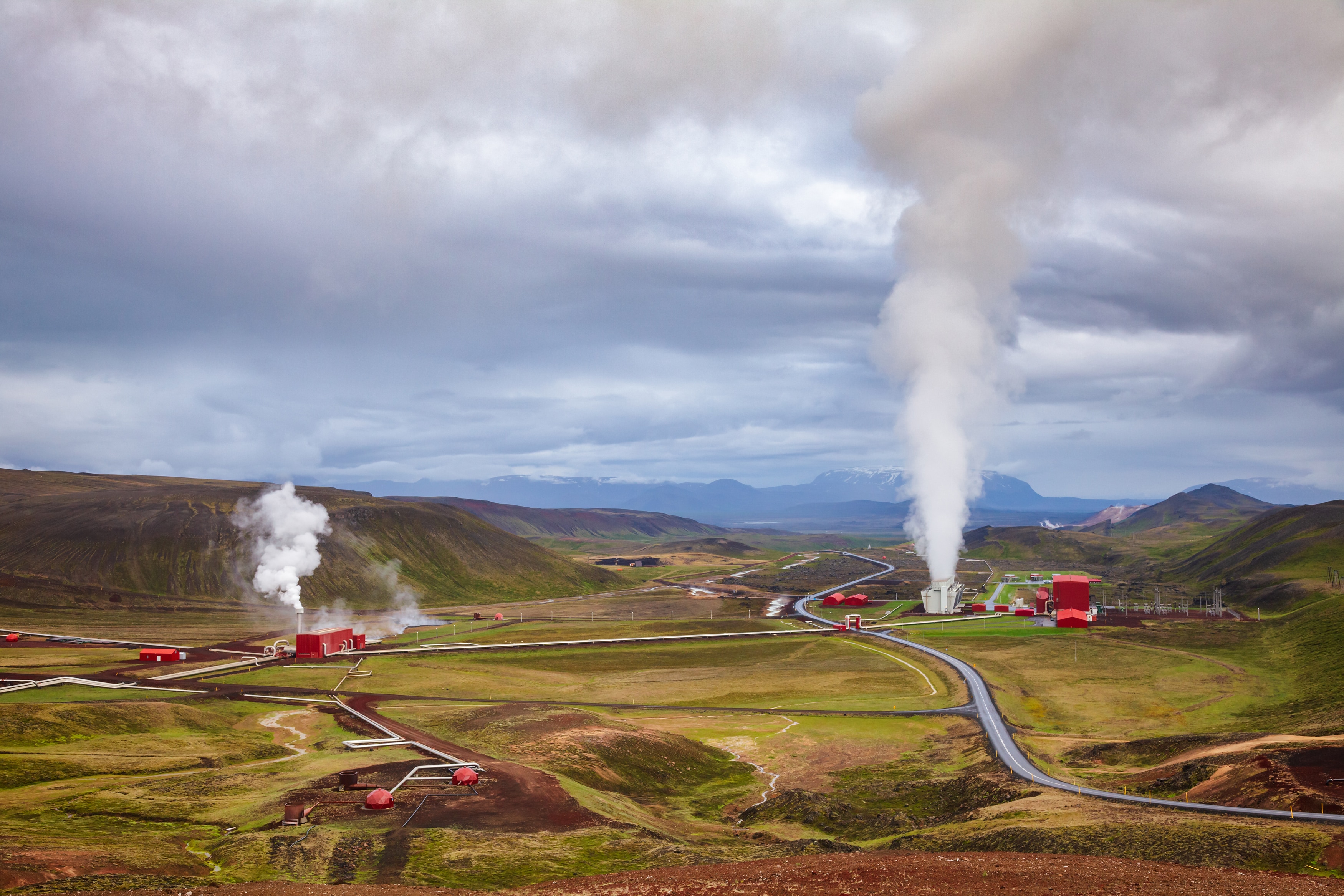
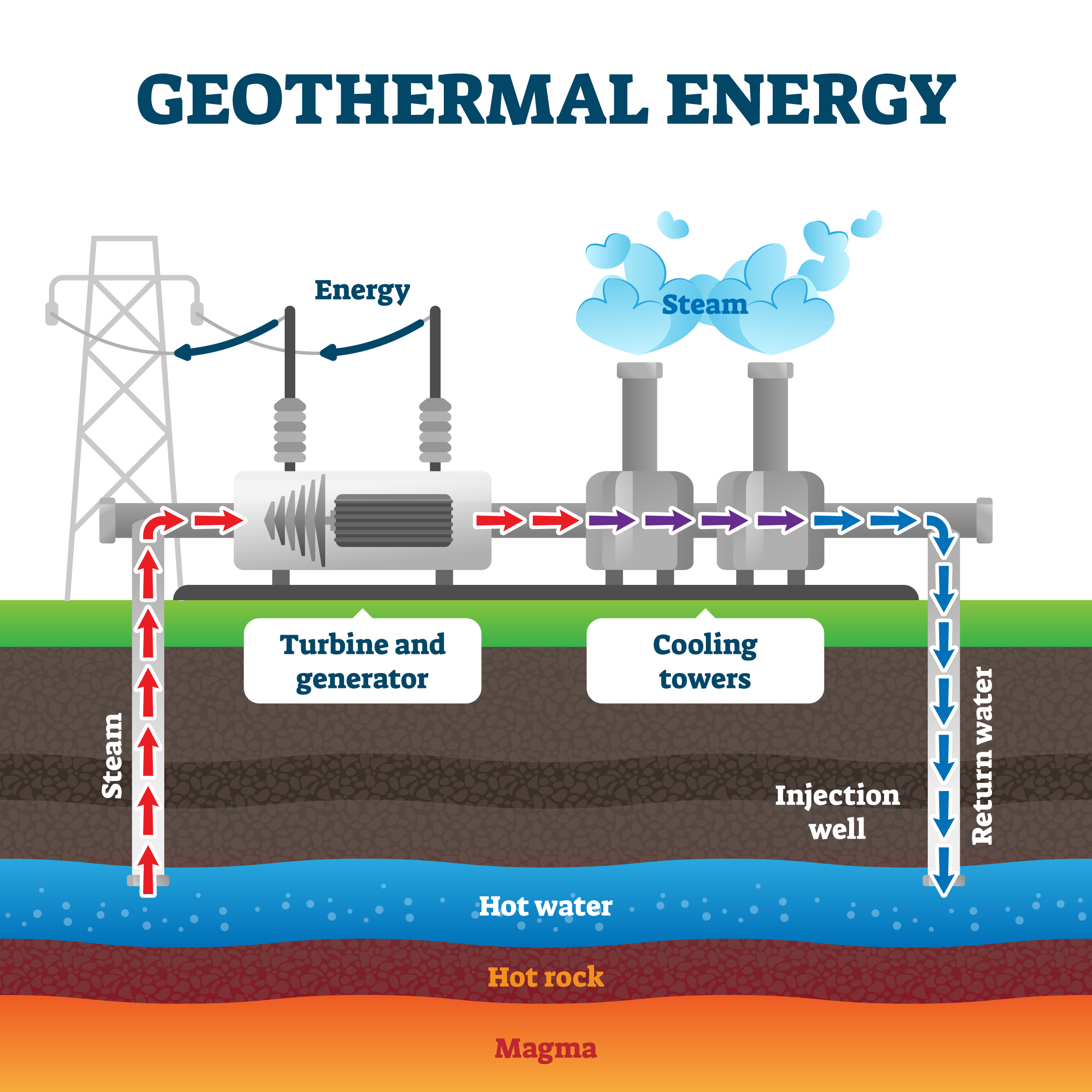
Geothermal energy has many practical applications in our everyday lives. One of the most common is geothermal heating and cooling. Using a ground-source heat pump, homes and buildings can tap into the stable temperature of the earth just a few feet below the surface to regulate indoor climate. In winter, the ground acts as a heat source, warming buildings. In summer, it acts as a heat sink, cooling them down. Iceland is a shining example of geothermal utilization, with much of its electricity and heating supplied by geothermal plants. Another significant application is geothermal power generation. High-temperature geothermal reservoirs can be used to produce steam, which in turn drives turbines to generate electricity. This is a growing sector, with geothermal power plants popping up in geologically active regions around the globe.
Must Read
Now, how can we enjoy the benefits of geothermal energy more effectively and responsibly? Firstly, if you're building a new home, consider a ground-source heat pump. While the initial investment might be higher, the long-term energy savings and reduced environmental impact can be substantial. Secondly, support policies that promote the development of geothermal energy projects. Advocate for government funding and incentives that encourage innovation and expansion in this sector. And thirdly, stay informed! Educate yourself about the latest advancements in geothermal technology and share your knowledge with others. By understanding the potential of this clean energy source, we can collectively contribute to a more sustainable future.
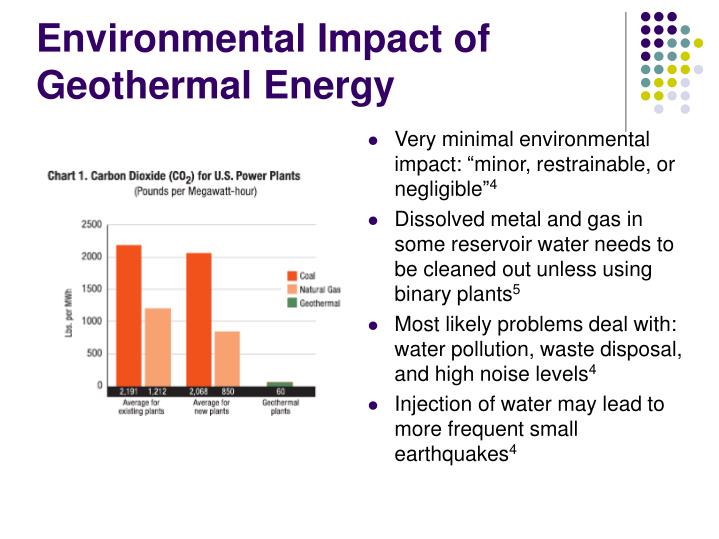
While geothermal energy is a generally clean energy source, it's not without its environmental impacts. Careful site selection and management are crucial. Some geothermal plants can release small amounts of greenhouse gases, such as carbon dioxide and hydrogen sulfide, although significantly less than fossil fuel power plants. There’s also the potential for seismic activity, though this is rare and usually limited to the immediate vicinity of the plant. Responsible geothermal development focuses on minimizing these impacts through advanced technologies and stringent environmental regulations. The key is to balance the benefits of clean, renewable energy with the need to protect our planet's delicate ecosystems. By doing so, we can harness the Earth's heat responsibly and pave the way for a brighter, greener future.