
How Does Discharge Rate Affect Battery Capacity
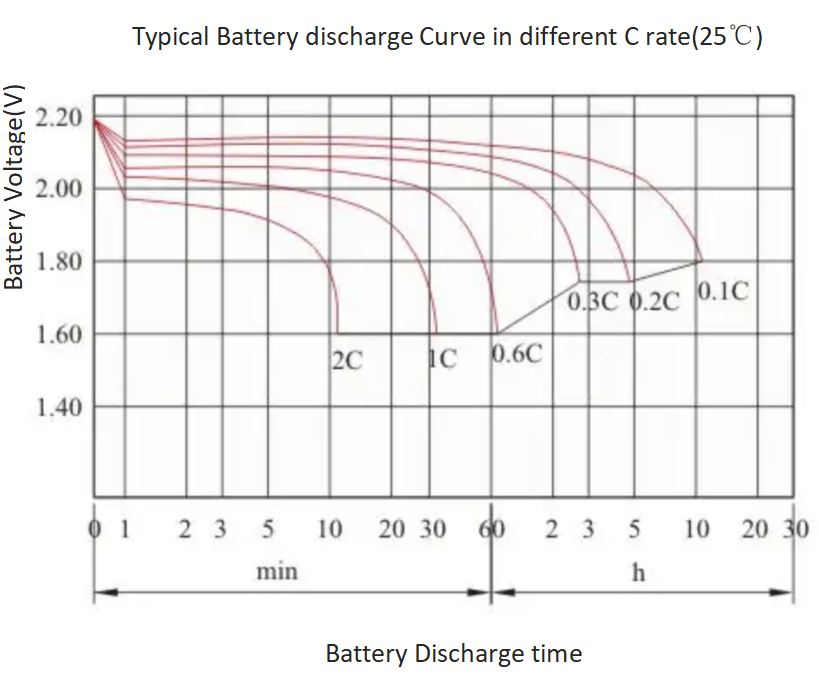
Ever wonder why your phone battery seems to drain faster when you're playing a graphics-heavy game compared to just scrolling through text? It’s all about the discharge rate, and trust me, it’s way more exciting than it sounds!
Battery Capacity: A Quick Intro
Think of your battery like a tiny energy reservoir. It holds a certain amount of power, measured in milliampere-hours (mAh) or ampere-hours (Ah). That's the battery's capacity, basically how much juice it can store.
A higher mAh or Ah rating generally means your battery can power your device for longer. Sounds simple enough, right?
Must Read
The Discharge Rate Drama
Now, here's where the fun begins! The discharge rate is how quickly you're using that stored energy. Imagine sipping a drink slowly versus chugging it down in one gulp.
A low discharge rate means you're using power gradually. A high discharge rate? You’re practically mainlining electricity!
Why It Matters: The Capacity Connection
Here's the kicker: a battery's actual usable capacity isn't always what the label says. The discharge rate has a sneaky way of changing things up.
Batteries have a funny quirk. They sometimes deliver less total energy when you’re asking them to work super hard, like powering a game or fast charging.
It’s like trying to sprint a marathon. You might start strong, but you won’t last as long as you would at a jog.
The Peukert Effect: A Villainous Plot Twist
There's a fancy term for this phenomenon: the Peukert effect. It describes how a battery’s effective capacity decreases as the discharge rate increases. Sounds like something straight out of a superhero comic, doesn’t it?
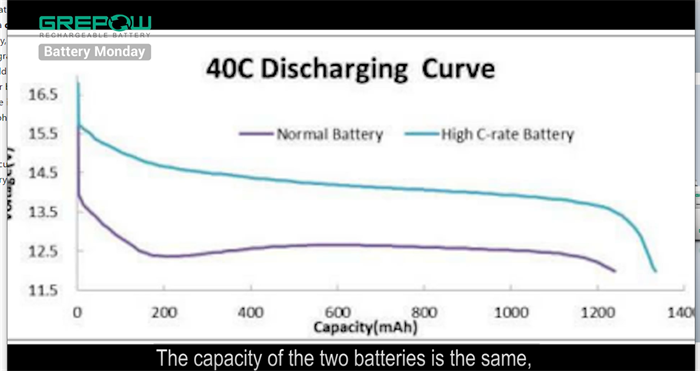
Basically, the faster you drain the battery, the less total energy you get out of it. This is especially true for older battery technologies like lead-acid batteries. Newer battery technologies like lithium-ion are less susceptible but still affected.
Think of it like this: the battery gets "tired" more quickly when working harder. It's not actually tired, but you get the idea.
Examples in the Real World
Let's look at some everyday examples to make this crystal clear. Imagine two scenarios with the same smartphone battery.
Scenario 1: You’re gently browsing the web, checking emails, and listening to music at a low volume. The discharge rate is low, and your battery lasts all day.
Scenario 2: You're playing a graphically intense game, streaming HD video, and have the screen brightness cranked up. The discharge rate is high, and your battery is begging for mercy by lunchtime.
See the difference? It’s not magic; it's the discharge rate in action!
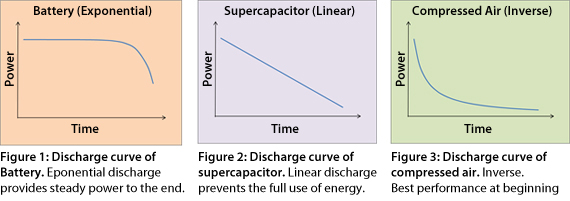
Temperature's Two Cents
Oh, and just to make things even more interesting, temperature plays a role too! Extreme temperatures – both hot and cold – can significantly impact battery performance and capacity.
Think of your battery like a Goldilocks: it likes things just right. Too hot, and it struggles. Too cold, and it shivers (and loses capacity!).
Heat often accelerates the chemical reactions inside the battery, which can increase the discharge rate, even if you are not doing anything demanding on your phone. Cold temperatures can slow those reactions, making it harder for the battery to deliver power efficiently.
What About Different Battery Types?
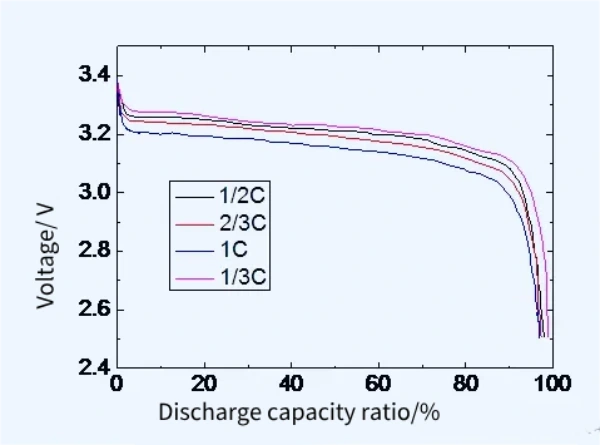
Not all batteries are created equal! The type of battery also influences how the discharge rate affects its capacity. Lead-acid batteries (used in cars) are more heavily affected by the Peukert effect than lithium-ion batteries (found in smartphones and laptops).
Lithium-ion batteries are generally more efficient and can handle higher discharge rates with less capacity loss. But even they have their limits!
Each battery chemistry comes with its own unique set of pros and cons regarding discharge rate and capacity. It's like comparing different types of athletes; each excels at different things.
Tips for Battery Bliss
So, how can you make the most of your battery and avoid the dreaded low-battery anxiety? Here are a few simple tips:
Lower screen brightness. This is a huge power hog! Dimming your screen can significantly reduce the discharge rate.
Close unused apps. Apps running in the background can drain your battery even when you're not actively using them.
Turn off features you don't need. Bluetooth, Wi-Fi, and location services can all contribute to a higher discharge rate. Only turn them on when necessary.
Avoid extreme temperatures. Keep your devices away from direct sunlight and extreme cold to maintain optimal battery performance.
Use battery-saving mode. Most smartphones have a built-in battery-saving mode that can help reduce power consumption.

The Takeaway: Discharge Rate Demystified
Understanding how discharge rate affects battery capacity can help you make more informed decisions about how you use your devices. It's not just about the mAh rating; it's about how efficiently you're using that energy.
By being mindful of your usage habits and following the tips above, you can extend your battery life and keep your devices running longer. So go forth and conquer, armed with your newfound battery knowledge!
It's kind of fun, right? Who knew batteries could be so engaging? Happy powering!
Further Exploration: Dive Deeper!
Feeling adventurous? Here are some resources if you want to become a true battery guru!
Search for articles and videos about battery technology on websites like IEEE Spectrum or Battery University. These resources often delve into the technical details behind battery chemistry and performance.
Explore manufacturer datasheets: Battery manufacturers often provide detailed datasheets that specify the discharge characteristics of their products. These datasheets can provide valuable insights into how a battery will perform under different conditions.
Understanding these topics can allow you to optimize your battery usage and appreciate the engineering and science behind these amazing energy storage devices. So keep exploring and learning! Who knows, maybe you will be the next battery breakthrough!