How Does Climate Change Contribute To Wildfires
Okay, picture this: You're at a BBQ, right? Sun's blazing, the grill's cranked up, and someone (probably your uncle) is going a little overboard with the lighter fluid. A small flare-up happens – nothing major, a quick whoosh, and it's back under control. But imagine that flare-up happening in a forest, and instead of a cooler full of beer, you've got tinder-dry leaves and branches everywhere. Yeah, suddenly that little flare-up is a HUGE problem.
That, in a nutshell, is kind of how climate change contributes to wildfires. It's not the only cause, of course (lightning strikes happen, and sadly, sometimes people are careless or malicious). But climate change acts like that overzealous uncle with the lighter fluid – it creates the perfect conditions for a tiny spark to explode into something terrifying. Ready to dive in?
The Heat Is On (And Everything's Drying Out)
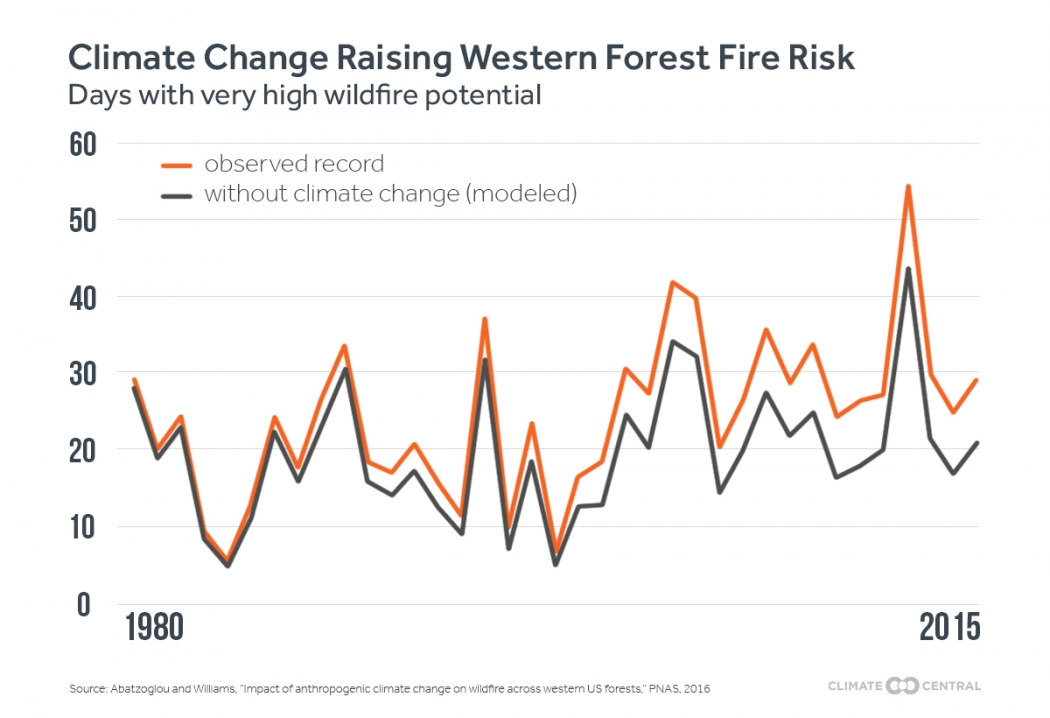
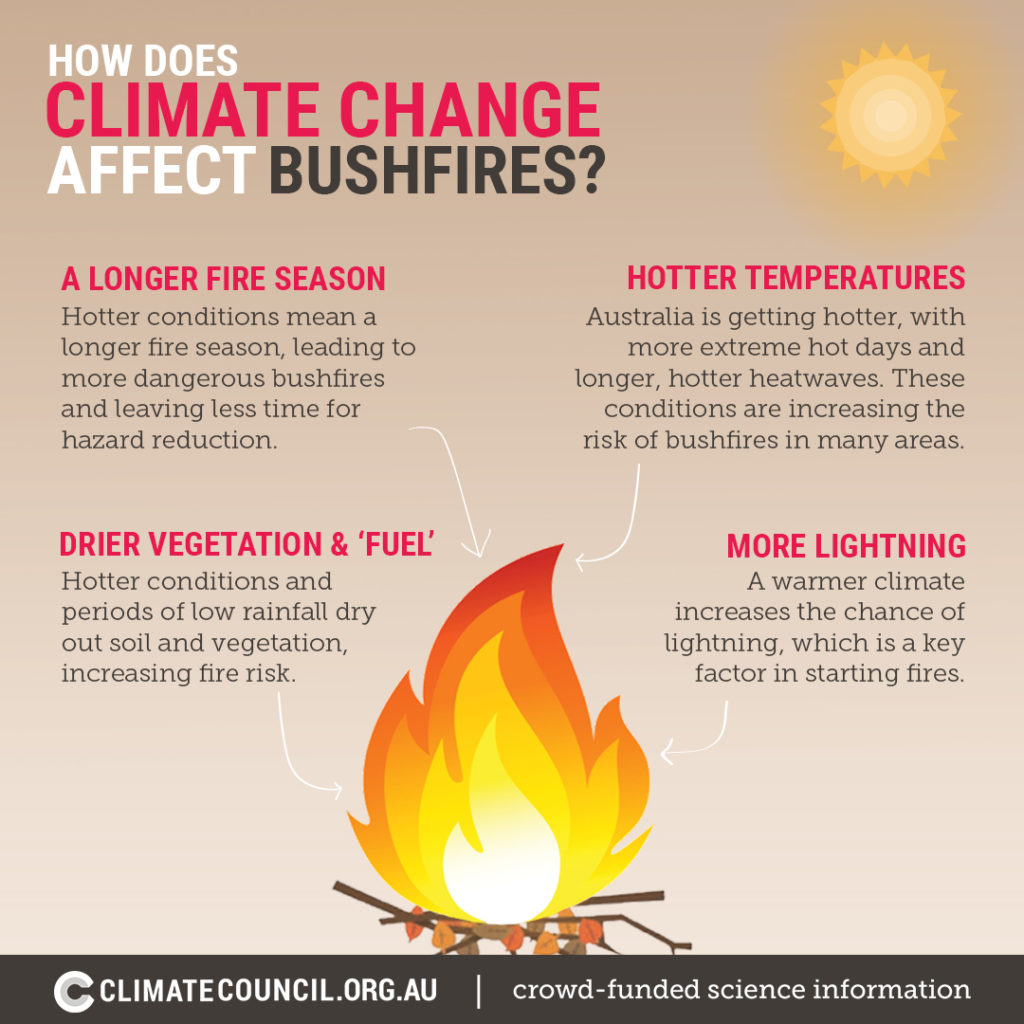
The most direct link is, well, the heat! Climate change means higher average temperatures. And higher temperatures mean more evaporation. Think about it: the hotter it is, the quicker the moisture in the soil, in the plants, and even in the air, disappears. We're talking about everything becoming incredibly dry. And dry vegetation is basically firewood waiting to happen.
Must Read
It's not rocket science, right? Think of it like leaving a sponge out in the sun versus leaving one in a damp cupboard. Which one is going to catch fire more easily? (Don't actually try this at home, please!)
Longer, Hotter Fire Seasons
This drying-out effect also extends fire seasons. What used to be a "fire season" of a few months in the summer is now stretching out for much longer in many areas. We're talking about fire seasons starting earlier in the spring and lasting well into the fall. That's more time for fires to ignite and spread, and it puts a massive strain on firefighters and resources. More time for potential disasters, plain and simple.

And speaking of seasons, keep this in mind: Changes in precipitation patterns also have a role. Some areas are experiencing longer droughts, while others get hit with intense bursts of rain followed by long dry periods. Both scenarios can create conditions that are ripe for wildfires. Droughts kill vegetation, creating more fuel. Heavy rains can lead to rapid plant growth, which then dries out and becomes even more fuel.
Bark Beetles and Other Insect Infestations
Okay, this one is a little less obvious, but still super important. Warmer temperatures are allowing certain insect species, like bark beetles, to thrive and spread into new areas. These beetles attack and kill trees. And what do you get when you have a forest full of dead trees? A giant tinderbox!
These infestations can weaken entire forests, making them incredibly vulnerable to wildfires. It's like giving a pyromaniac a whole bunch of perfectly seasoned kindling! (Okay, maybe that's a little dramatic, but you get the idea.)
The Feedback Loop From Hell
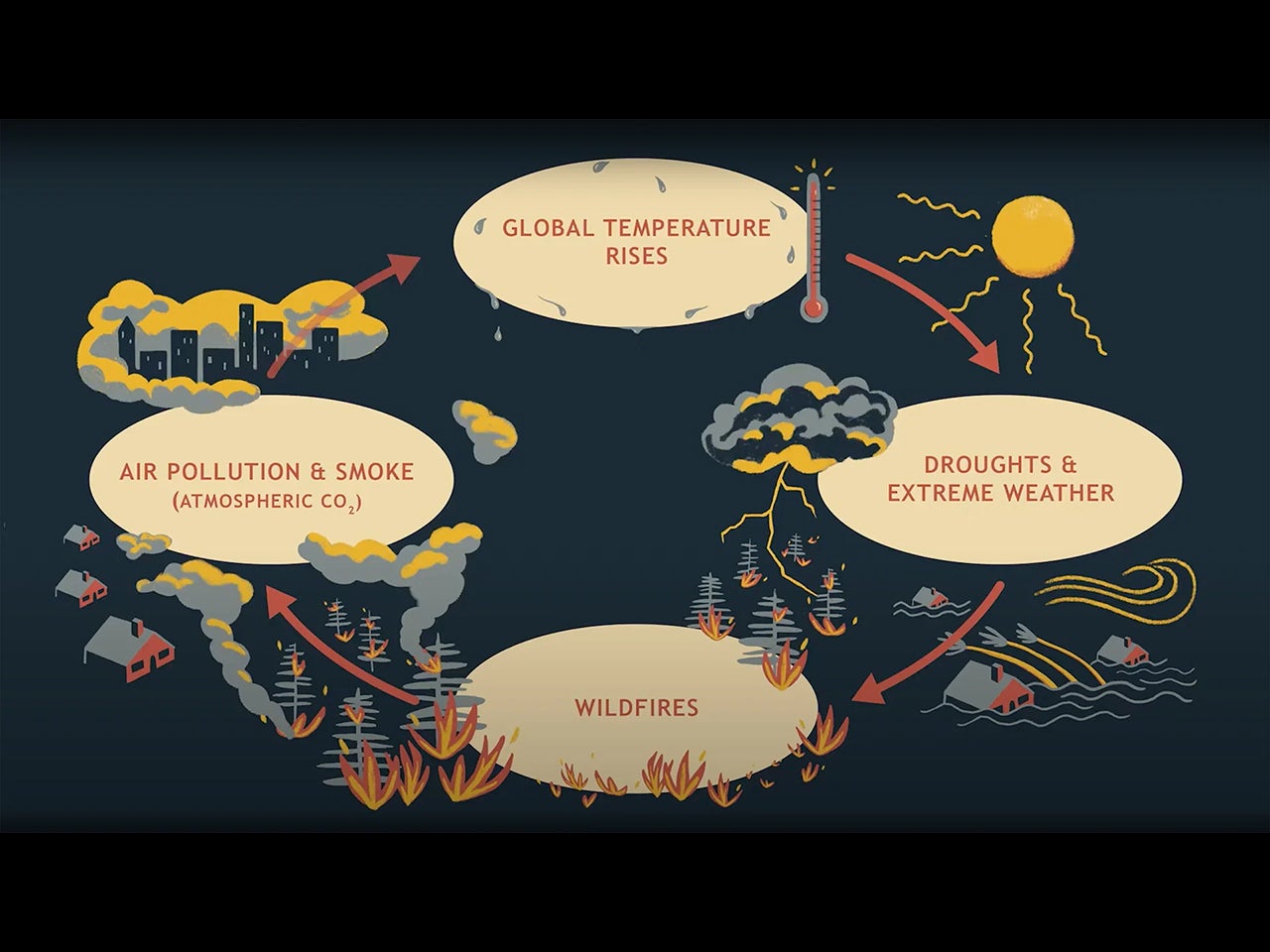
Here's the really scary part: wildfires themselves actually contribute to climate change, creating a vicious cycle. Burning forests release massive amounts of carbon dioxide into the atmosphere – the very greenhouse gas that's driving climate change in the first place! So, more climate change leads to more wildfires, which leads to even more climate change. It's a feedback loop that's spiraling out of control.
It’s pretty grim, right? But understanding the connection between climate change and wildfires is the first step towards doing something about it. So, what can you do? Support policies that address climate change, educate yourself and others, and be extra careful to prevent wildfires in your own community. Because every little bit helps. Seriously!