
How Does Carbon Footprint Affect The Environment
Okay, let's talk about carbon footprints. We hear about them all the time. Are they really the villain everyone makes them out to be?
Maybe... maybe not? Buckle up, because I might have some slightly unpopular opinions.
So, What's the Big Deal Anyway?
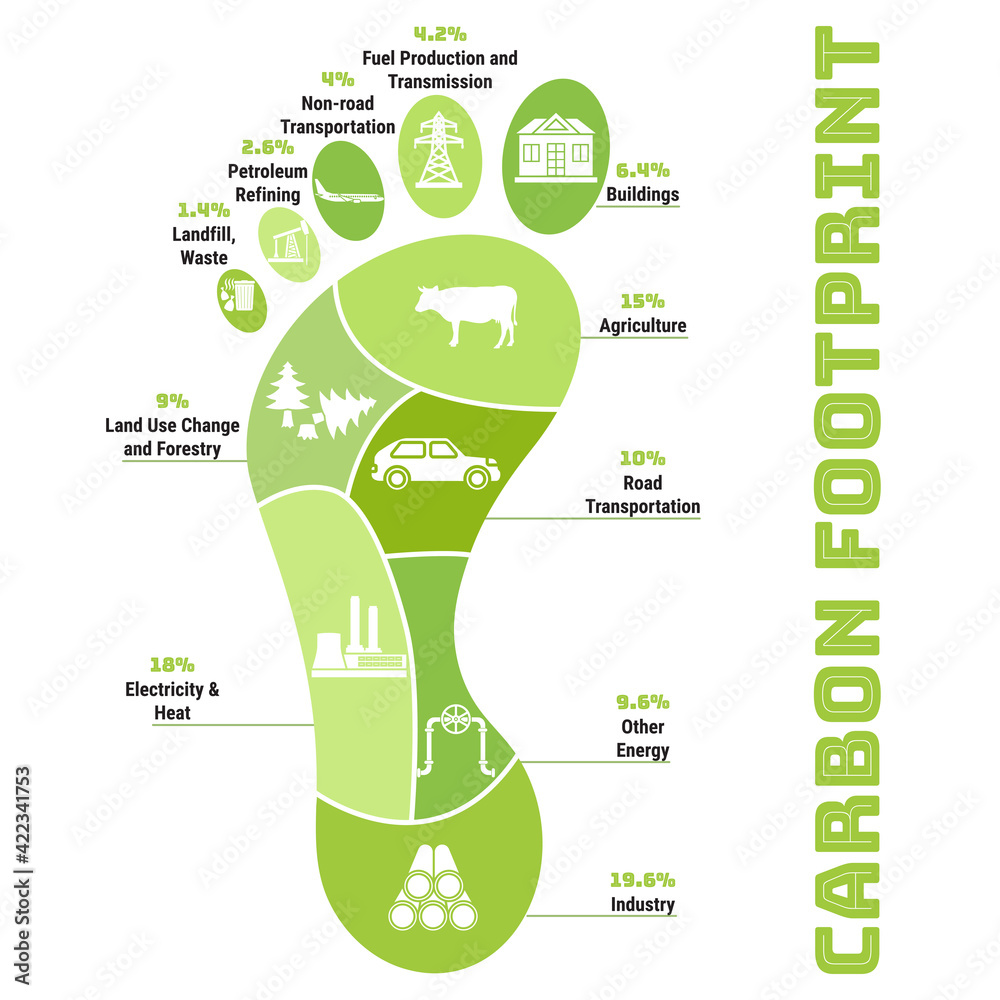
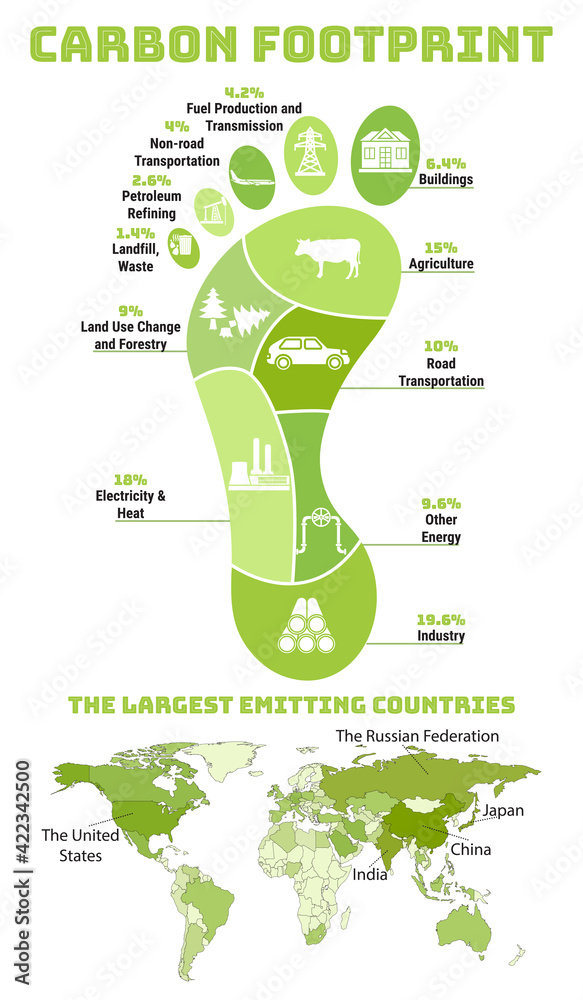
A carbon footprint is basically the amount of greenhouse gasses we release. Think of it like a gas cloud we leave behind. Every. Single. Day.
Must Read
These gasses, mainly carbon dioxide (CO2), trap heat in the atmosphere. It's like wrapping a big, cozy blanket around the planet.
Sounds nice, right? Wrong! Too much "cozy" and things get a little... sweaty. And by "sweaty," I mean global warming.
Melting Ice Caps and Sad Polar Bears
This is the image everyone trots out, right? Melting ice caps are definitely a bummer. Poor polar bears losing their homes!
Rising sea levels? Not ideal for coastal cities. Suddenly, beachfront property is a little too beachfront.
But let's be real, have you actually seen a polar bear lately? I haven't. Just sayin'.
Extreme Weather Events (aka Mother Nature's Tantrums)
Think bigger storms, more droughts, and unpredictable weather patterns. Mother Nature is throwing a full-blown tantrum. And who can blame her?
These events can wreak havoc on agriculture. Imagine no more avocados! The horror!
Seriously though, it's not just about avocados. Food security is a real issue, and climate change isn't helping.
Ocean Acidification (The Ocean's Got the Blues)
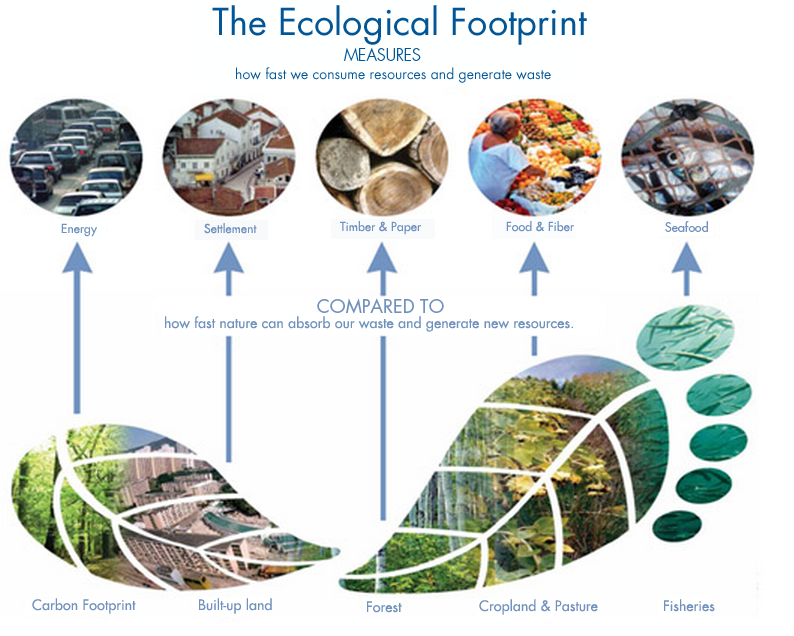
The ocean absorbs a lot of that extra CO2. Sounds helpful, doesn't it? Nope! It's like feeding the ocean too much sugar.
This leads to ocean acidification. Which basically means the ocean becomes more acidic. Think of it as the ocean getting a really bad case of heartburn.
This messes with marine life. Shellfish struggle to build their shells, coral reefs bleach. It's a whole underwater ecosystem unraveling.
My Unpopular Opinions: It's Not All Our Fault
Okay, here's where things get spicy. I'm not saying we're blameless. We all contribute to the problem.
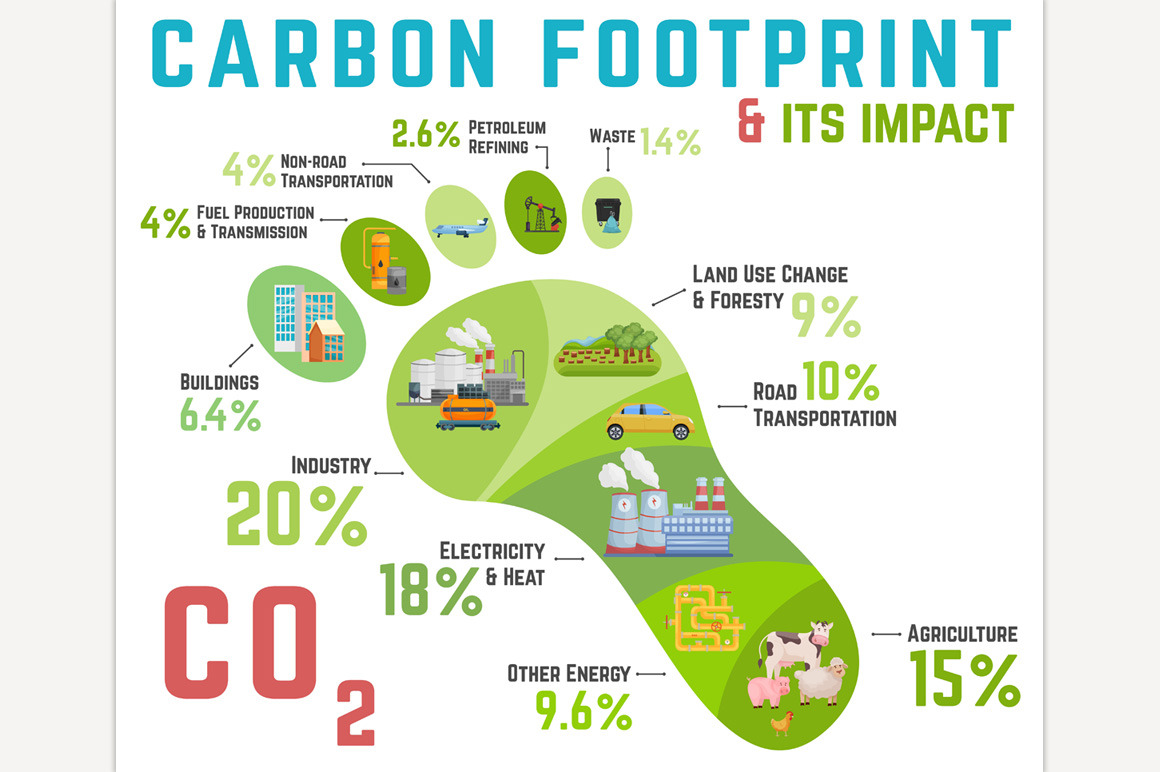
But let's be honest, individual carbon footprints are a drop in the bucket. Especially when compared to giant corporations and industries. ExxonMobil, I'm looking at you.
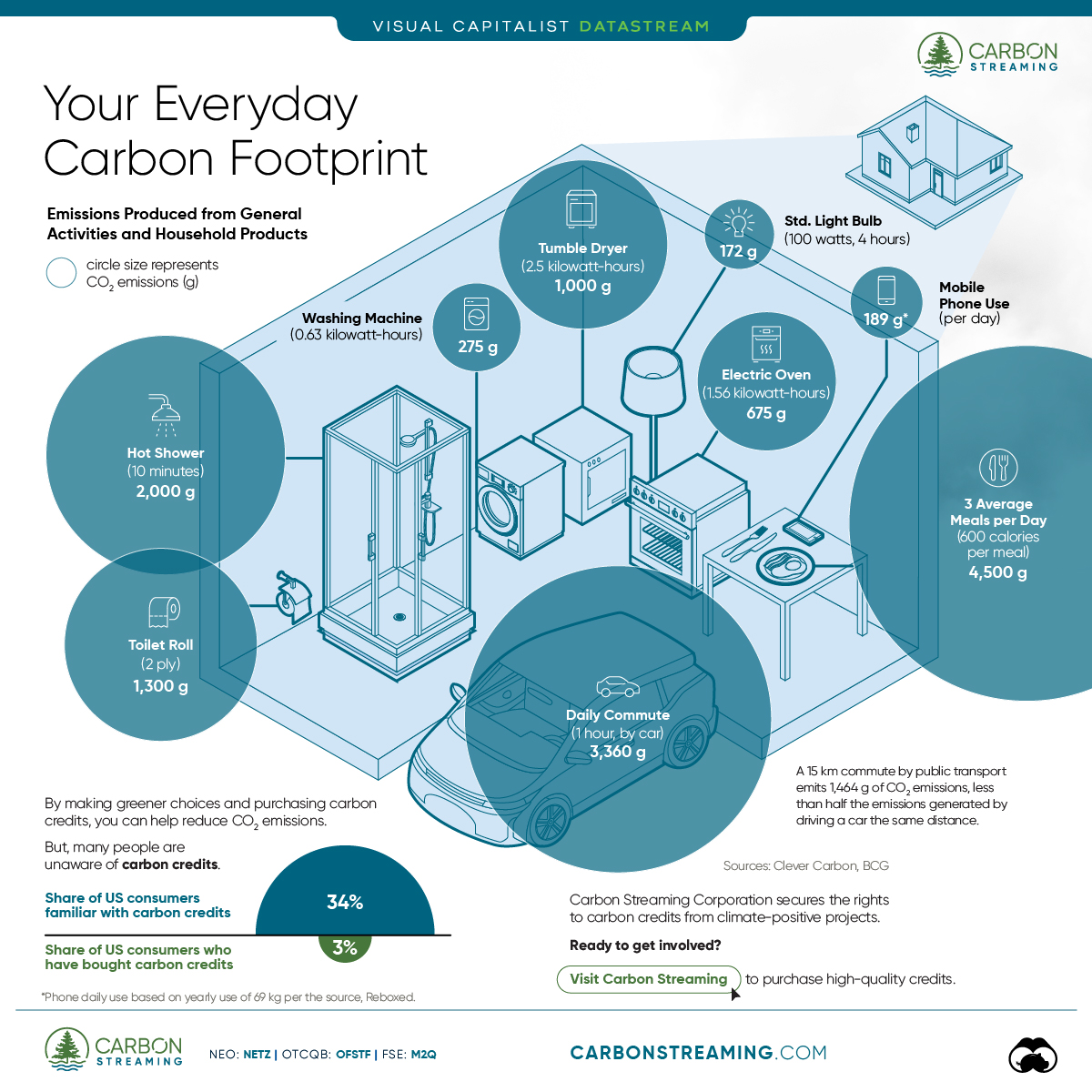
Is my reusable water bottle really going to offset the emissions from a cargo ship? I think not.
The Blame Game
We're constantly bombarded with messages about reducing our personal carbon footprint. Recycle more! Drive less! Eat less meat!
It's exhausting! And frankly, it feels like a way to distract us from the real culprits. "Look over there, at that person using a plastic straw!"
Meanwhile, corporations are dumping tons of waste and pollution into the environment. And we're supposed to feel guilty about our takeout container?
Personal Responsibility vs. Systemic Change
I'm not saying we shouldn't try to be more sustainable. Every little bit helps, right? Sort of.
But focusing solely on personal responsibility lets big businesses off the hook. We need systemic change. Big changes.
Think regulations, investments in renewable energy, and holding corporations accountable. That's where the real impact lies.
So, What Can We Actually Do?
Okay, I've ranted enough. Let's talk about solutions. And no, I'm not going to tell you to never drive again.
First, be informed. Know where your energy comes from. Support companies that are making a genuine effort to be sustainable.
And most importantly, use your voice! Contact your representatives. Vote for policies that address climate change. Demand better from corporations.
Small Changes, Big Impact (Maybe?)
Okay, fine, I'll throw in a few practical tips. But don't say I didn't warn you.
Eat less meat. Especially beef. Cows are basically walking methane factories. Consider Meatless Mondays.
Reduce food waste. Seriously, how much food do we throw away? It's insane. Plan your meals, compost scraps, and embrace leftovers.
Use less energy. Turn off lights when you leave a room. Unplug electronics when you're not using them. Get a smart thermostat. Blah, blah, blah... you've heard it all before.
Travel Smarter (or Stay Home?)
Flying is a major contributor to carbon emissions. Maybe consider a staycation? Or a road trip in an electric vehicle (if you can afford one!).
Support local businesses and tourism. Skip that exotic vacation to Thailand and explore your own backyard.
This has the added benefit of supporting your local economy. Plus, you might discover some hidden gems you never knew existed.
The Bottom Line: It's Complicated
The carbon footprint thing is messy. It's not as simple as "good" versus "bad". It's a complex issue with lots of nuances.
We need to reduce our emissions. That's not up for debate. But let's not put all the blame on individuals. Especially when massive corporations are the primary cause.
Let's focus on systemic change. Hold corporations accountable. Invest in renewable energy. And maybe, just maybe, we can avoid a climate catastrophe.
So, next time you hear about carbon footprints, remember my unpopular opinions. Don't feel guilty about your occasional burger. But do demand better from the companies that are polluting our planet.
And now, I'm going to go eat a steak. Just kidding! (Mostly).