Ever wonder how the magic juice that powers your gadgets and brightens your home actually gets made? It’s not by tiny invisible fairies! We’re talking about a magnificent, bustling operation happening inside a power plant – the grand wizard of electricity!
Think of a power plant as a gigantic, incredibly efficient kitchen. Instead of baking cookies, though, its main goal is to whip up enormous batches of electricity, twenty-four hours a day, seven days a week.
It’s all about a fantastic chain reaction, a wonderfully orchestrated dance of physics that goes from raw energy to that spark in your wall socket. And trust us, it’s much cooler than it sounds!
Every good party needs a kick-off, and for a power plant, that means creating some serious heat! This is where the initial spark of energy comes from, and there are a few star players in this role.
Coal: The Ancient Bonfire
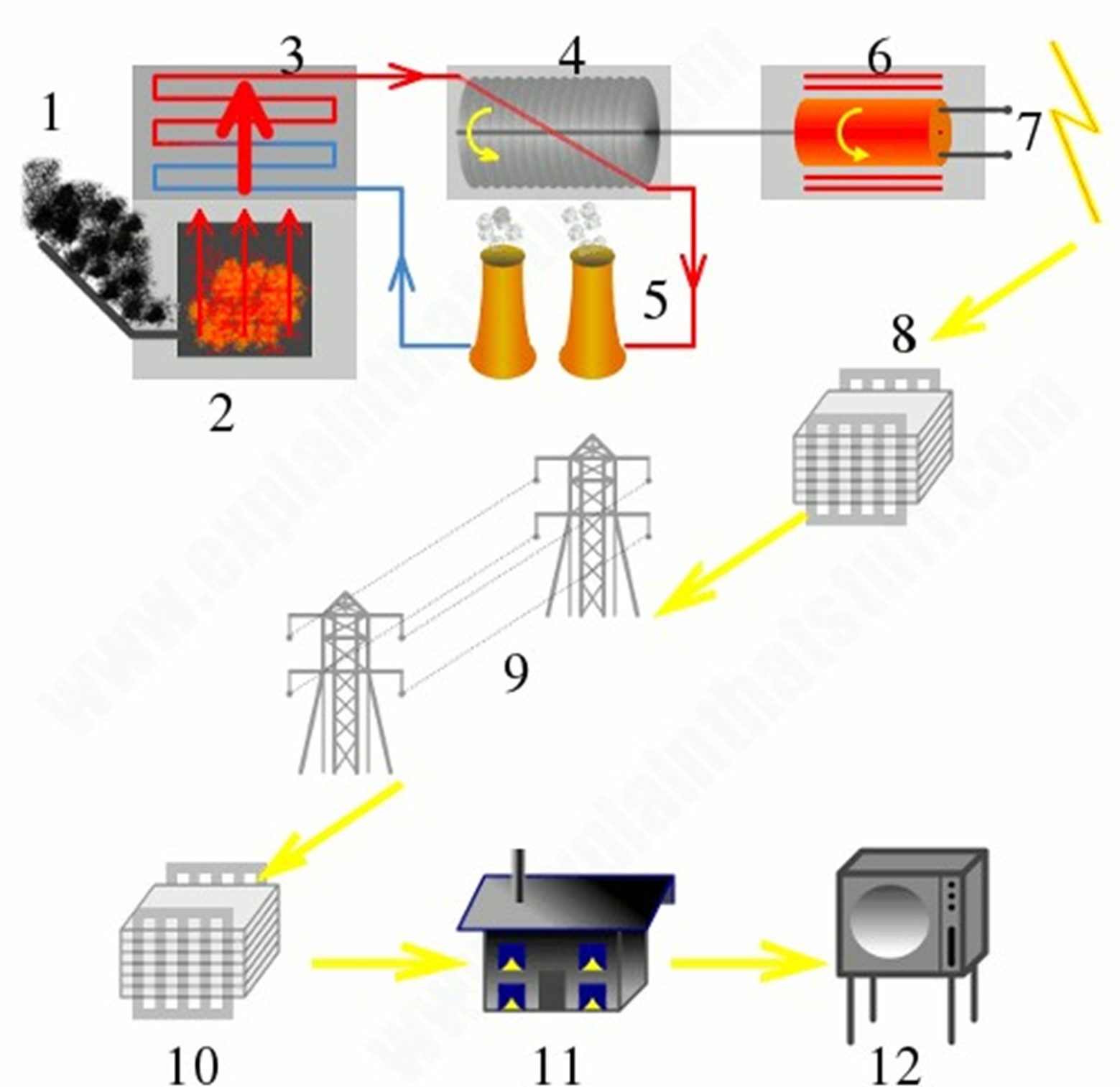
One classic way to get the party started is with coal. Imagine enormous piles of black gold being fed into a colossal furnace – like the biggest, hottest bonfire you’ve ever seen!
This isn't your backyard campfire; we're talking about temperatures hot enough to make a dragon sweat. The goal is to generate an incredible amount of scorching heat, the kind that makes things happen.
Natural Gas: The Giant Kitchen Stove
Another superstar fuel is natural gas. Think of it as a super-sized version of the gas burner on your kitchen stove, but instead of boiling a pot of pasta, it’s heating up a whole ocean!
When ignited, natural gas burns with a fierce, clean flame, delivering intense heat very quickly. It’s like turning up the burner to maximum power for a continuous, roaring inferno.
Nuclear Energy: The Tiny Powerhouse
Then there’s the incredible world of nuclear energy. This isn't about burning anything at all!
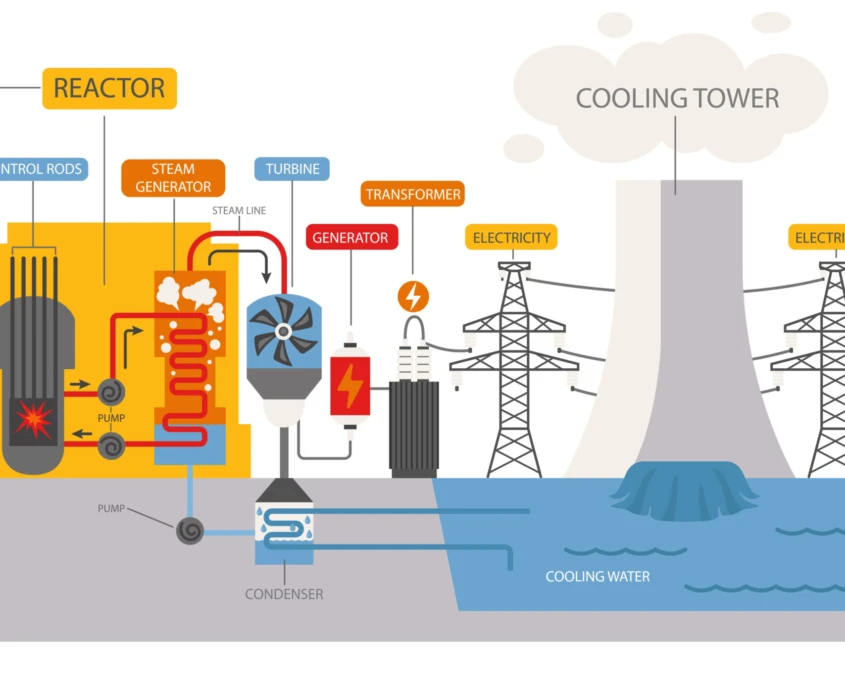
How Does a Power Plant Work? (Step-by-Step Guide) | Linquip
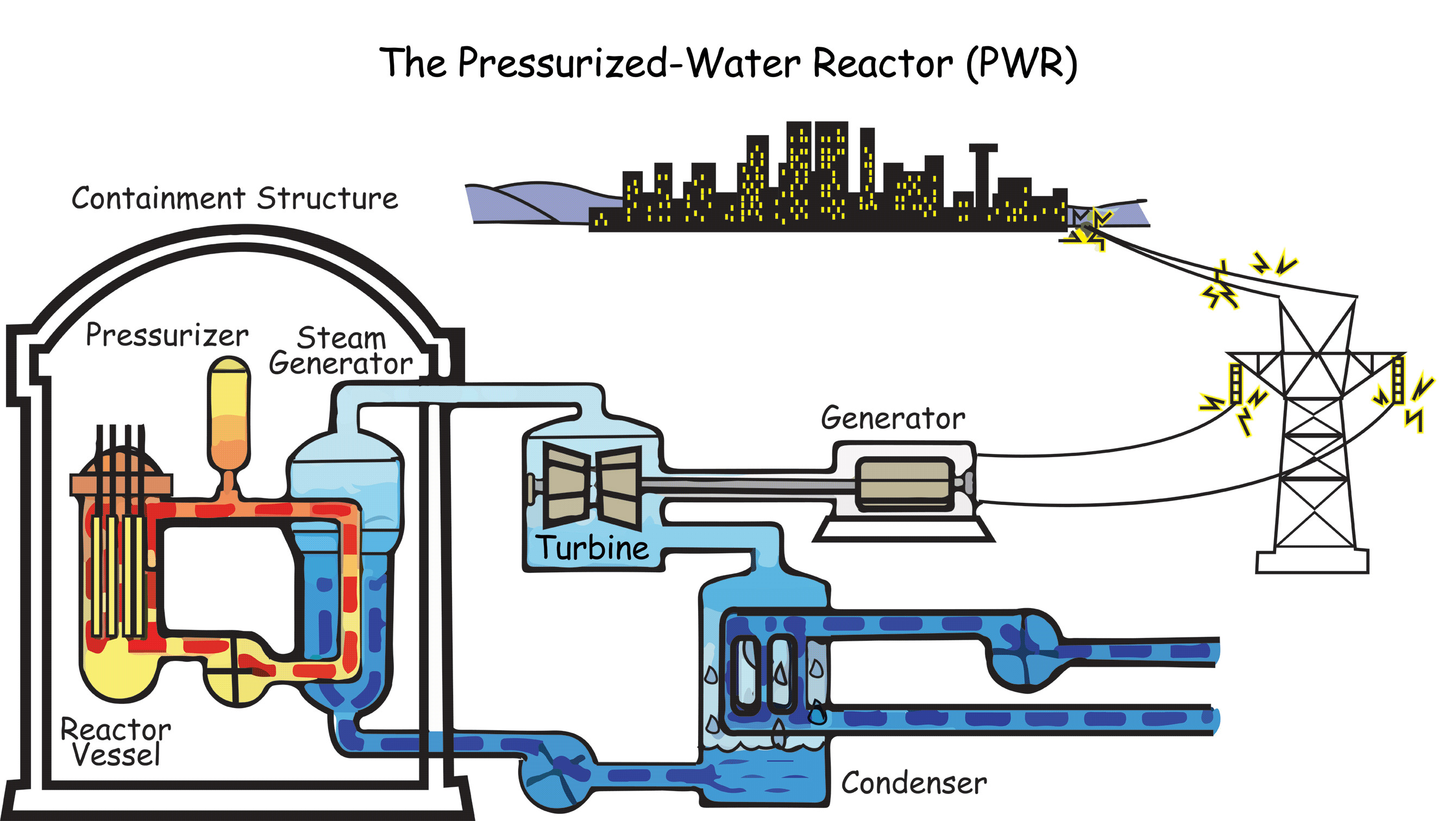
Instead, we’re talking about splitting tiny atoms – a process called fission – which unleashes an almost unbelievable amount of heat. It's like having a microscopic disco ball that releases an entire solar system's worth of energy!
Whichever fuel is chosen, the first, most crucial step is to create an almost unimaginable amount of HEAT!
The Boiler: Steaming Up a Storm!
Now that we have our roaring heat, what do we do with it? This is where the boiler steps in – and it’s arguably the unsung hero of the whole operation.
Imagine a massive, industrial-strength pressure cooker, but instead of cooking stew, it’s superheating water. This water flows through miles of pipes, snaking through the intense heat generated by our fuels.
As the water gets hotter and hotter, it doesn't just boil; it transforms into a furious, invisible force: superheated steam. This steam isn't just fluffy clouds; it's extremely hot, highly pressurized, and bursting with energy, like a tiny, unstoppable freight train.
This superheated steam is the real workhorse, the invisible engine waiting to be unleashed. It’s been building up all that raw power, just aching to get out and do something epic!
The Turbine: The Spinning Superstar!
And now for the main event! The superheated, high-pressure steam is directed towards the turbine. This magnificent contraption looks like a gigantic, multi-bladed fan or a series of massive pinwheels.
How does a nuclear power plant work?
When the powerful steam slams into these blades, it pushes them with incredible force. Imagine a tiny invisible steam monster, full of energy, pushing on the blades with all its might!
This impact causes the entire turbine to spin around at an absolutely dizzying speed. We’re talking thousands of rotations per minute – it’s a blur of raw, mechanical power!
The turbine is essentially converting the tremendous energy of the steam into rotational energy. It's the moment where the furious invisible force transforms into a tangible, powerful spin.
The Generator: Making the Magic Spark!
Attached to the spinning turbine, often on the same shaft, is the true magician of the plant: the generator. This is where the actual electricity is born!
The generator is a marvel of engineering, packed with massive magnets and coiled wires. As the turbine spins it, these magnets rotate rapidly within the coils, creating a disturbance in the electrical field.
This disturbance forces tiny particles called electrons to move, creating an electric current. It's like a grand cosmic dance where the generator orchestrates millions of electrons to boogie in sync!
The generator takes all that dizzying mechanical spin and, with a silent, magnetic wave of its wand, turns it into pure, unadulterated ELECTRICITY!
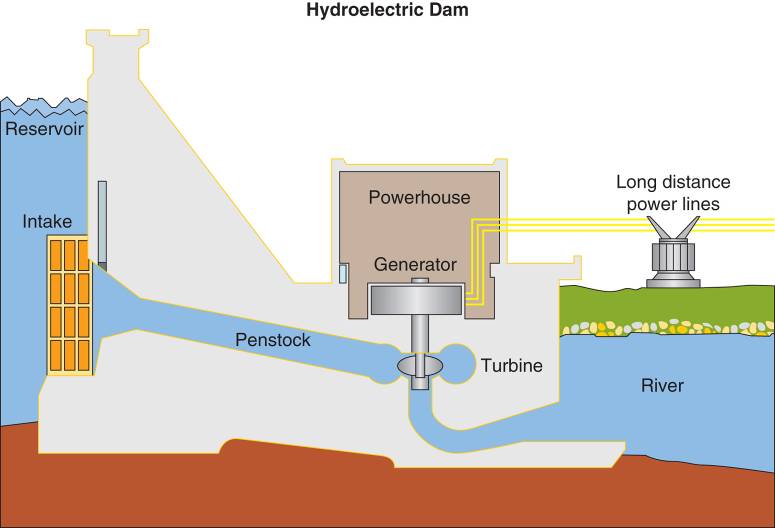
Power Plant Explained | Working Principles - YouTube
The Transformer: The Voltage Elevator!
Once our electricity is born, it's pretty energetic, but it needs a little boost for the long journey ahead. That's where the mighty transformer comes in.
The transformer is like a super-strong bouncer, giving our freshly made electricity a mighty push, boosting its voltage way, way up. This makes it strong enough to travel vast distances without losing too much oomph.
Think of it as giving the electricity a supercharged espresso shot, preparing it for an epic cross-country adventure. High voltage means it can travel efficiently!
Transmission Lines: The Superhighways of Spark!
After its voltage boost, the electricity zips out of the power plant and onto the transmission lines. These are those big, sturdy towers with thick wires you see crisscrossing the landscape.
These lines are the electricity’s superhighways, carrying those zippy electrons at incredible speeds across cities, towns, and even mountains. They are the silent conduits of modern life.
They carry the power all the way to substations near your neighborhood, ready for its final leg of the journey. Without them, your power would never reach your doorstep!
The Cooling Tower: Steam’s Chill-Out Zone!
What happens to our hardworking steam after it’s pushed the turbine? It needs a break, of course! This is where the magnificent cooling tower (often those iconic, giant hourglass shapes) or a condenser comes into play.
How Do Power Plants Work? | Electrical Academia
After giving up its energy to the turbine, the steam is directed here to cool down. It releases its remaining heat, usually by transferring it to cooler water or directly to the air.
As it cools, that energetic steam turns back into calm, liquid water. This water is then ready to be pumped back to the boiler for another round of action, making the whole process incredibly efficient and sustainable.
It's like the spa day for our weary steam, allowing it to relax and prepare for its next grand performance. The water is recycled, ensuring the cycle continues!
The Grid: The Grand Orchestrator
All these power plants aren’t just individual islands; they are part of a massive, interconnected network called the electrical grid. It’s like a grand, invisible symphony orchestra, all playing together.
The grid ensures that when one power plant takes a short break for maintenance, or if demand surges in one area, others can pick up the slack. It’s a dynamic, constantly balancing act.
So, from the massive bonfire party to the invisible electron dance, a power plant is a marvel of human ingenuity. It’s a constant, tireless effort to keep your world bright and buzzing!
The next time you flip a switch, give a little nod to these incredible unsung heroes. They’re working hard, day and night, to bring you that amazing, magical spark we call electricity!