
How Does A Power Outage Happen

Poof! What Just Happened?!
One moment, your home is a buzzing hive of activity, lights aglow, music playing, snacks chilling in the fridge. The next, a sudden, inky darkness swallows everything whole. It's like the universe hit the pause button on your entire day!
That sudden, spooky silence can make you wonder: did an evil wizard cast a spell? Did the electricity fairies pack up and go on vacation? Nope, usually, the truth is a little more down-to-earth, and sometimes even a little silly.
The Grand Ballet of the Grid (Until it Trips!)
Think of our electricity as a perfectly choreographed dance, flowing gracefully from power plants through countless wires and transformers right to your toaster. This intricate network is called the power grid, and it’s truly a modern marvel.
Must Read
But like any complex performance, sometimes a dancer misses a step, a prop falls, or a mischievous stagehand (or squirrel!) gets involved. When that happens, the grid has a safety switch, a giant circuit breaker that says, "Whoa there, let's take a time-out!"
Weather's Wild Whimsy: Mother Nature's Pranks
One of the biggest culprits behind a sudden blackout is Mother Nature herself, sometimes in a surprisingly dramatic fashion! She loves to put on a show, and occasionally, our power lines become part of her spectacle.
Picture a ferocious storm: the wind howls like a banshee, whipping branches around like spaghetti noodles. These branches can then decide to take an impromptu swing at power lines, causing a sudden, dramatic short circuit.
Then there's lightning, the ultimate show-off, zapping transformers with spectacular flashes of light. These powerful bolts can overwhelm equipment, causing it to shut down faster than you can say "thunderclap!"
Even gentle rain, when it’s heavy enough, can cause problems if it infiltrates electrical components. And don't forget ice and snow, which can weigh down lines until they sag and snap, or bring down entire trees.
The Great Tree Tussle: Nature vs. Nurture (of Wires)
Trees, for all their leafy beauty, can be surprisingly mischievous. Their branches love to grow, grow, grow, sometimes right into the path of innocent power lines.
When a gust of wind encourages a tree branch to high-five a power line a little too forcefully, sparks can fly! This unwanted contact is a common reason for a sudden local outage, as the system tries to protect itself.
Animal Antics: When Critters Go Rogue
Sometimes, the cause of darkness is surprisingly small, furry, or feathered. Yes, our adorable animal neighbors can accidentally become tiny saboteurs!
Picture this: a tiny, fluffy-tailed ninja, otherwise known as a squirrel, decides a power line looks like the perfect tightrope. They scamper, they jump, perhaps even nibble a little. Sometimes, their energetic antics cause wires to touch, tripping the system faster than you can say "acorn."
Birds, with their natural nesting instincts, might build a cozy home in an inconvenient spot near equipment. Larger birds, or those carrying metallic debris, can also inadvertently complete a circuit, leading to a flash and a blackout.
Even raccoons, snakes, or other curious critters can wander into substations, attracted by warmth or shelter. Their explorations can accidentally trigger equipment safety mechanisms, plunging neighborhoods into darkness.
These aren't malicious acts, just curious creatures having a very bad, shocking day!
Human Hiccups: Oopsie-Daisy Moments
Let's be honest, humans can be a bit clumsy too! Sometimes, our own actions, often accidental, can lead to the lights going out. We've all had those "oh no" moments.
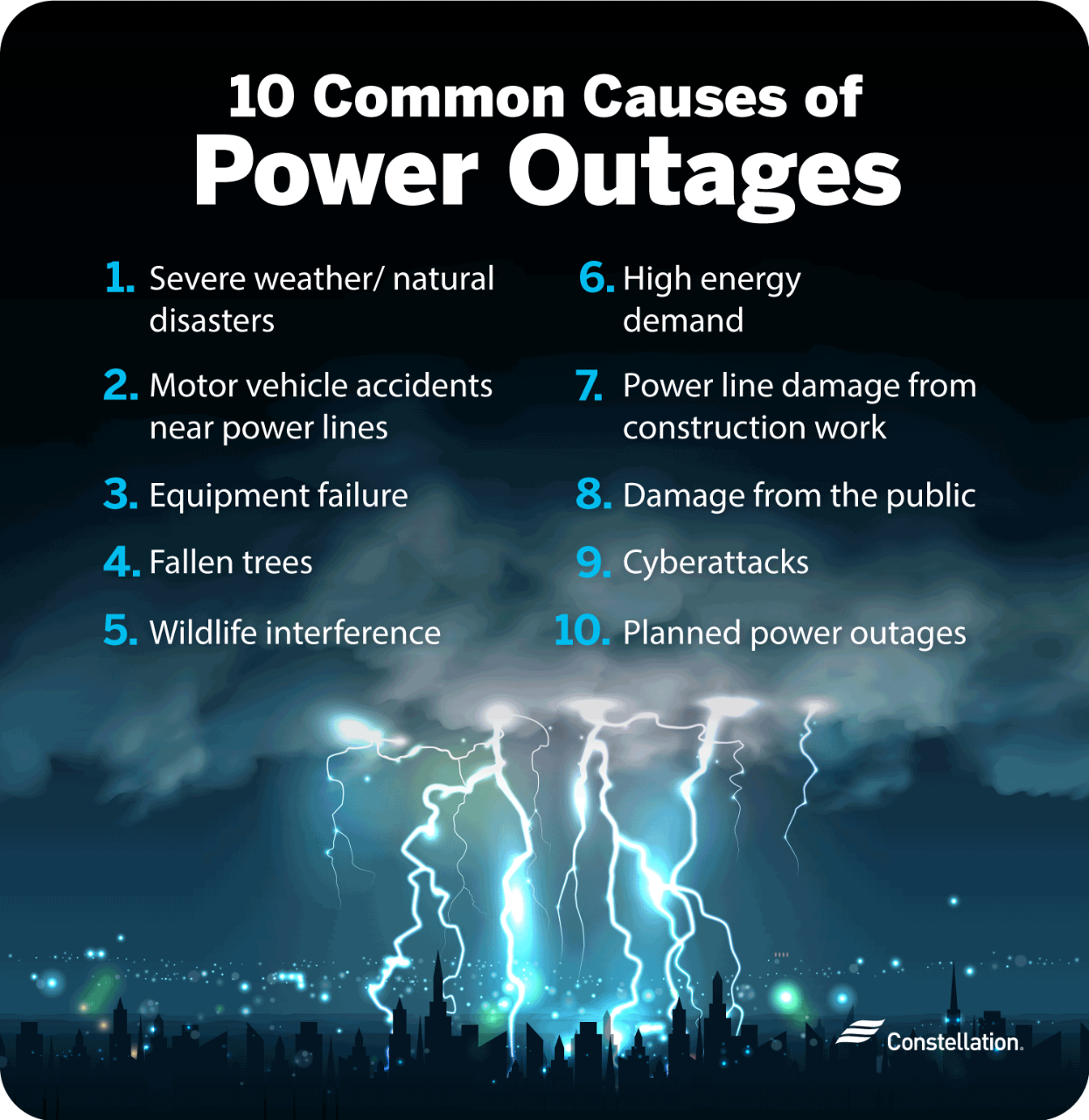
A classic tale: a car driver, perhaps distracted, misjudges a turn and collides with a utility pole. The pole, being a vital part of the grid, collapses, taking power lines with it in a spectacular (and inconvenient) fashion.
Then there are the adventurous home renovators or construction crews who forget to "call before they dig." Accidentally severing an underground power cable during excavation is a sure-fire way to dim the lights for a whole block.
And for a truly surprising villain: the foil balloon! These shiny, celebratory objects float sky-high and, if they drift into power lines, their metallic coating can conduct electricity, causing a rapid short circuit and an immediate outage. Think twice before letting go of that birthday balloon!
Equipment Grumbles: When Machines Get Moody
Even the toughest electrical gear can have a bad day. Like us, machines get old, tired, or simply decide to throw a tantrum.
Those big gray boxes on power poles, called transformers, are essential for managing electricity flow. Sometimes they simply overheat, become faulty, or are overloaded by sudden demand, and decide to call it quits.
Fuses and circuit breakers are the grid's unsung heroes, designed to pop or flip to prevent catastrophic damage. They act as safety valves, intentionally shutting down a section of the grid if they detect an issue, like a short circuit or an overload.
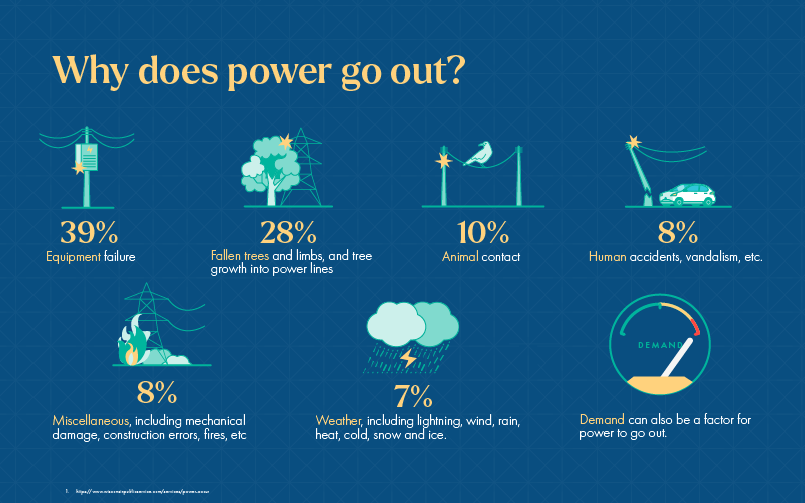
Over time, the sheer age of our electrical infrastructure can lead to problems. Wires corrode, insulators crack, and components simply wear out. It's like an old car needing a new part; sometimes the grid just needs a little TLC.
The entire system requires constant maintenance and upgrades. An aging infrastructure is a persistent challenge, demanding attention and investment to keep the lights dependably on.
Demand Overload: Too Much of a Good Thing!
Imagine everyone in your neighborhood suddenly decides to turn on their air conditioning, oven, washing machine, and charge every single device at the exact same second. That’s a lot of power being demanded all at once!
On scorching summer days, when every AC unit is humming, or during the deepest chill of winter when heaters are blasting, the grid faces immense pressure. Sometimes, the demand simply outstrips the supply or the system's capacity.
When the grid can't keep up with this sudden, massive hunger for electricity, it can lead to a "brownout" (reduced voltage) or, if severe enough, a full-blown "blackout" to prevent damage to the entire system. It's like the grid saying, "Okay, everyone, calm down, let's regroup!"
The Ripple Effect: It's All Connected!
The amazing thing about the power grid is how interconnected it is. A small problem in one area—say, a squirrel in a transformer—can sometimes have a ripple effect. It might trip a circuit in a nearby substation, affecting a larger area than you'd expect.
Engineers work tirelessly to design systems that isolate problems, like fire doors in a building. But sometimes, a particularly tricky fault can spread its influence a little further, leading to more widespread darkness.
The Unsung Heroes: Getting the Lights Back On
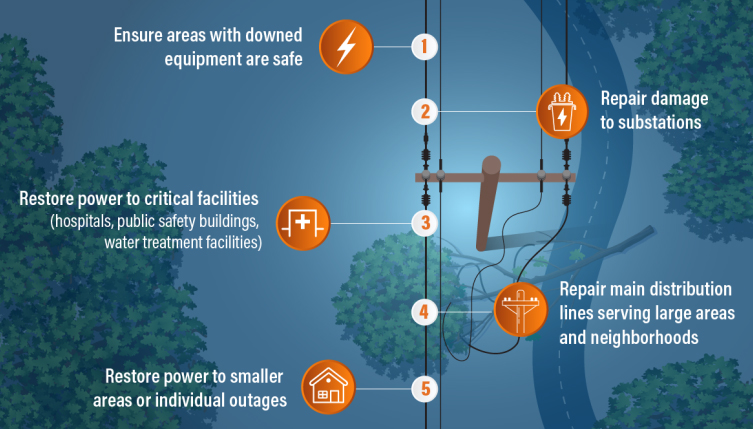
When the power goes out, remember the amazing utility workers, often called lineworkers, who brave all conditions to restore power. They’re the real-life superheroes who climb poles and work on complex systems to fix the problem.
They methodically search for the fault, repair damaged equipment, and flip those giant circuit breakers back on. It's a tough, often dangerous job, and they do it so we can enjoy our brightly lit lives again!
The Bottom Line: It's Not Always a Big Drama!
So, the next time your lights flicker and fade, don't automatically assume a massive catastrophe. More often than not, it's a combination of everyday events: a bit of wild weather, a curious creature, or a simple hiccup in the complex dance of electricity.
The grid is designed with many safety nets, and dedicated people are always ready to jump into action. So, grab a flashlight, maybe light a candle, and enjoy the temporary break from screen time. Your power will be back before you know it!
Power outages are just the grid's way of reminding us how magical electricity truly is... especially when it comes back on!