
How Does A Plane Engine Work
Alright, picture this: You're strapped into your seat, the engines spool up with that distinctive whine, and then suddenly, you're hurtling down the runway at an astonishing speed. That moment before takeoff, as you gaze out the window at those colossal engines, do you ever stop and think, "How on earth does that giant metal tube actually work? Like, really work?"
Because let's be honest, it feels a bit like magic, doesn't it? One minute you're on solid ground, the next you're sipping lukewarm coffee at 35,000 feet. Well, my friend, it's not actually magic (mostly). It's a marvel of engineering, and it's surprisingly easy to grasp the basic idea once you break it down.
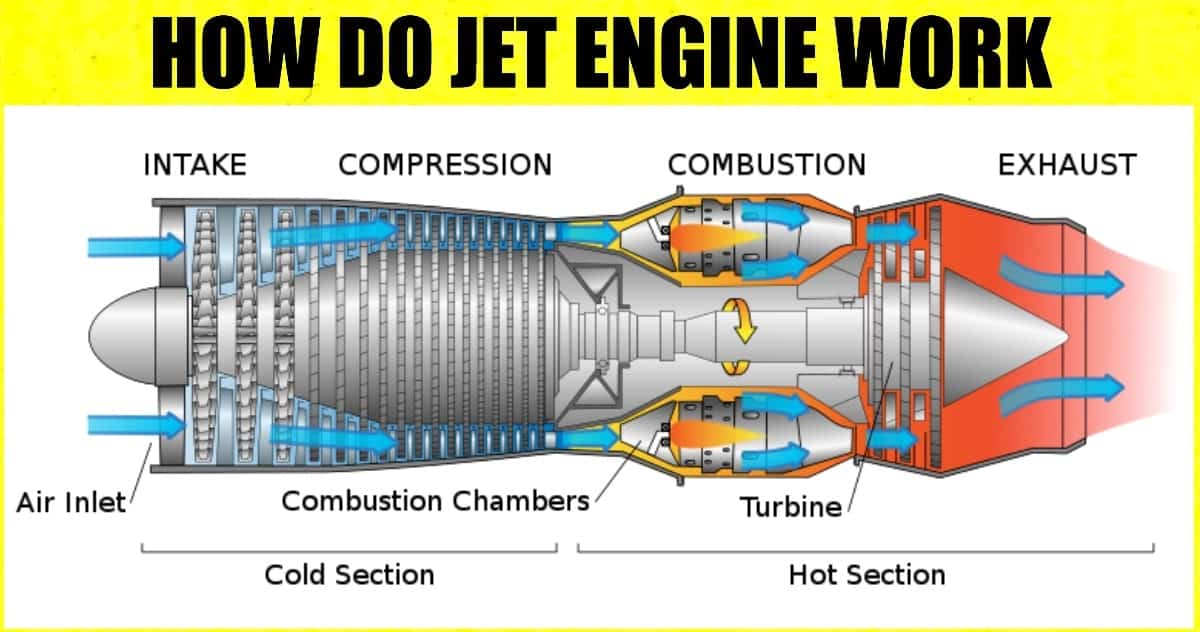
Forget your car engine; plane engines, specifically jet engines, operate on a fundamentally different principle. They don't have pistons going up and down. Instead, they’re all about a continuous, incredibly powerful cycle of suck, squeeze, burn, and blow. Seriously, that's pretty much the gist of it!
Must Read
The Big "Suck": Air Intake and the Fan
Look at the very front of the engine. See that massive fan? That's where it all begins. This fan, often called the compressor fan, is basically a giant vacuum cleaner. It pulls in an absolutely enormous amount of air.
Now, here's a cool trick modern engines do: a lot of that air (we're talking 80-90%!) doesn't even go into the core of the engine. It's routed around it, in what's called the bypass duct. This "bypassed" air gets accelerated backward by the fan, generating a significant amount of thrust all on its own. It's quieter and way more fuel-efficient, which is why those engines are so darn big these days. Pretty clever, right?
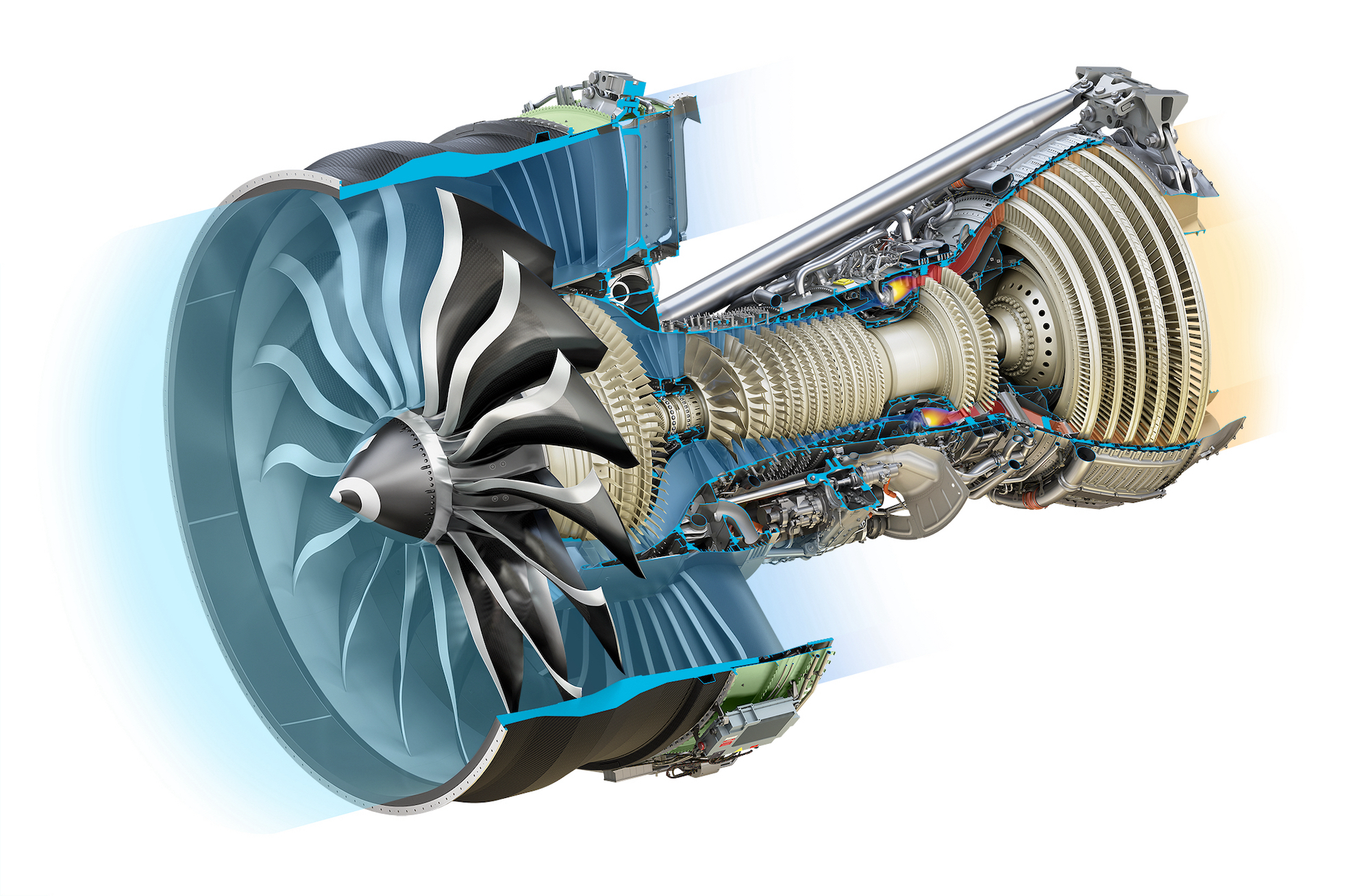
The remaining air, the crucial 10-20%, is directed into the engine's core. This is where the real fireworks happen.
The Mighty "Squeeze": The Compressor
Once inside the core, the air encounters a series of smaller fans, or blades, called the compressor stages. Imagine a whole stack of fans, each one getting slightly smaller than the last. As the air gets pushed through these stages, it gets squashed, or compressed, into a smaller and smaller volume.
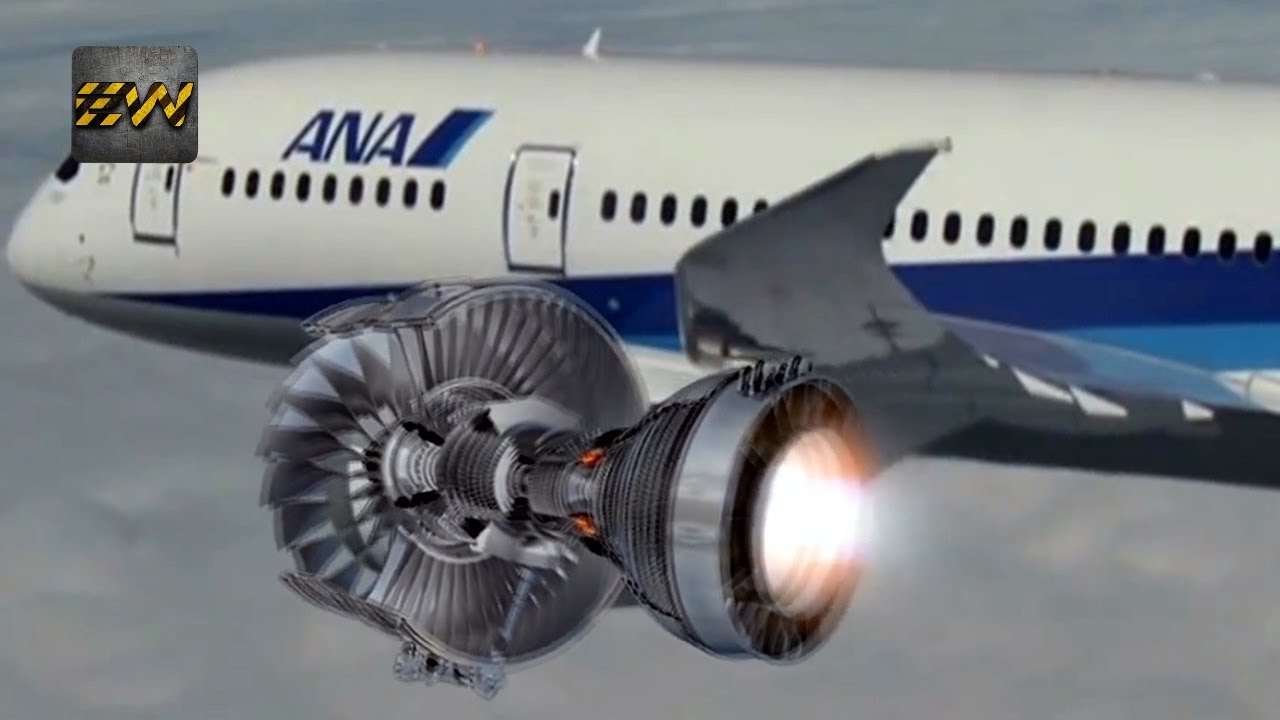
This compression does two things: it significantly increases the air's pressure and, as a side effect, makes it incredibly hot. We're talking pressures that could crush a small car and temperatures that would make your oven blush. This highly compressed, hot air is now perfectly primed for the next step.
The Fiery "Burn": The Combustion Chamber
Now we get to the heart of the beast! The super-compressed, super-hot air flows into the combustion chamber. This is where fuel (kerosene, essentially) is injected and ignited. You know those little spark plugs in a car? Jet engines have them too, but only to start the engine. Once it's going, the intense heat and pressure are enough to keep the combustion continuous – it's like a controlled, never-ending explosion!
This burning fuel-air mixture explodes and expands violently. We're talking mind-boggling temperatures and pressures here. This is where the energy is created – lots and lots of it!

The Powerful "Blow": The Turbine and Exhaust
The incredibly hot, high-pressure gases, now moving at tremendous speed, are eager to escape. But before they can blast out the back, they have one more job to do. They pass through another series of fan-like blades called the turbine stages.
As the gases rush past, they spin these turbine blades with incredible force. And here's the absolute genius part: the turbine is connected by a central shaft directly to the compressor fan and the main fan at the front! So, the energy from the escaping hot gases is what powers the entire "suck and squeeze" process we talked about earlier. It's a beautiful, self-sustaining loop!

After spinning the turbine, the still super-hot and super-fast gases are finally ejected out the exhaust nozzle at the back of the engine. This powerful expulsion of gas creates a force in the opposite direction, pushing the plane forward. Yep, that's good old Newton's Third Law of Motion in action: "For every action, there is an equal and opposite reaction."
So, What's the Takeaway?
Essentially, a plane engine is a giant, incredibly efficient air pump that sets some of that air on fire to make it expand rapidly. This expansion then drives both the incoming air and the plane itself forward.
Next time you're hurtling above the clouds, maybe spare a moment to appreciate the elegant simplicity (and staggering power) of that incredible machine hanging just outside your window. It's not magic, it's just really, really clever physics. And now, you know a little bit about how it works!