How Does A Pacemaker Work When Someone Is Dying

Okay, let's talk pacemakers. You probably know they help people with wonky hearts keep a steady beat. But what happens when someone's nearing the end? Does that little electronic marvel suddenly become some kind of life-extending superhero? Well, buckle up, because the answer is… complicated, and maybe a little bit funny, in a bittersweet sort of way.
The Pacemaker's Job: Simple When It's Not
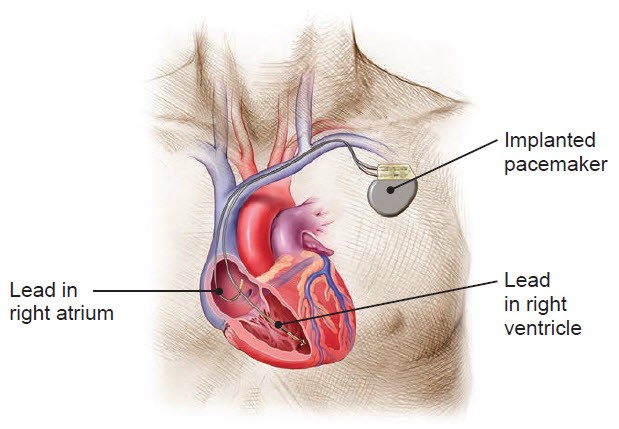
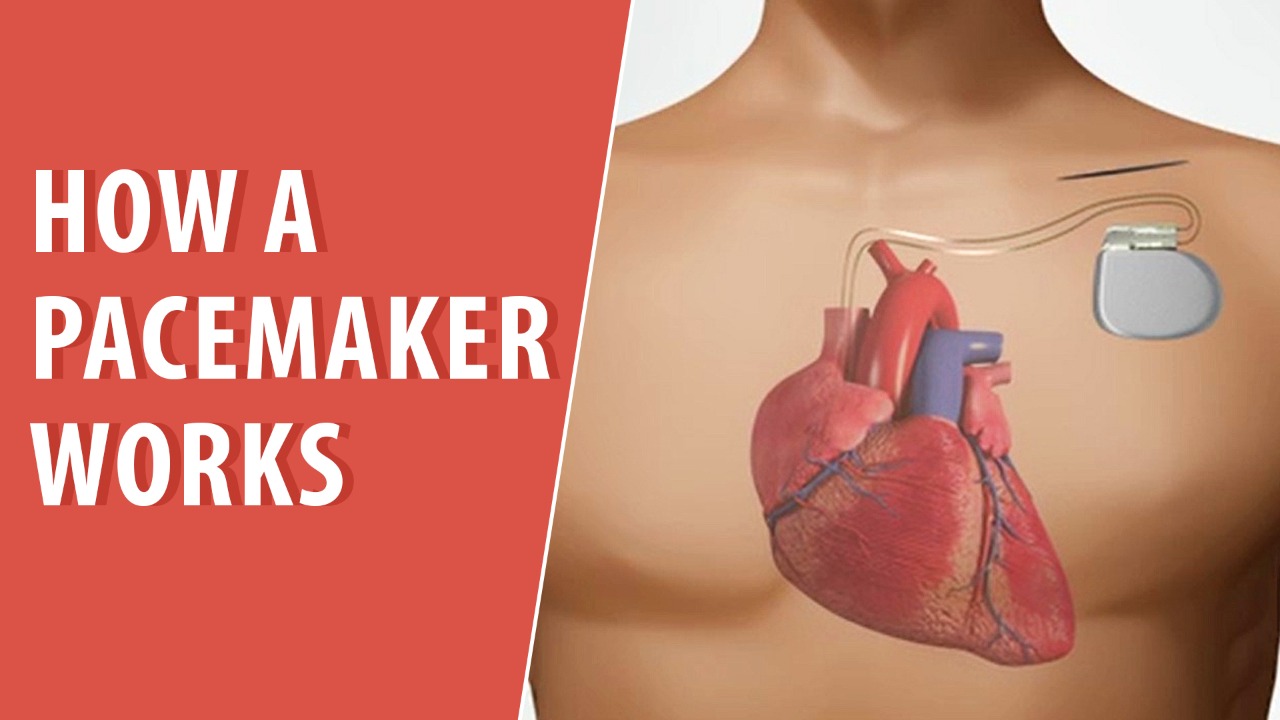
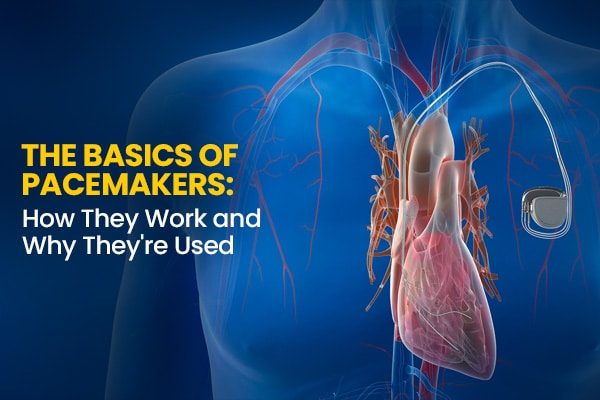
First, a quick recap. Imagine your heart as a drummer. Sometimes the drummer gets tired, forgets the rhythm, or just plain zones out. A pacemaker is like a tiny, persistent metronome surgically implanted near your heart. It sends out electrical pulses that tell your heart muscle, "Hey! Beat! Beat! Beat!" Think of it as a tiny, robotic cheerleader for your circulatory system.
Most modern pacemakers are pretty smart. They mostly chill out, monitoring your heart's natural rhythm. If things go south and your heart starts slowing down too much or skipping beats, then the pacemaker jumps in and delivers the necessary electrical nudge. So, it's not constantly zapping you; it's more like a helpful, on-demand rhythm correction service.
Must Read
Dying: A Different Kind of Drum Solo
Now, let's talk about dying. It's not exactly a technical term, but we all know what it means: the body's systems are gradually shutting down. And that includes, tragically, the heart. But here's where it gets interesting. When someone is actively dying, their heart might be slowing down not because of a simple electrical glitch, but because the entire system is failing. Think of it as not just the drummer forgetting the beat, but the entire band collapsing from exhaustion.
In this situation, the pacemaker might keep firing away, trying to get the heart to beat. And, technically, it might succeed in making the heart muscle contract for a little while longer. But here's the crucial point: it's not fixing the underlying problem. It's like putting a Band-Aid on a dam that's about to burst. The dam (the body) is failing, and a tiny Band-Aid (the pacemaker's electrical pulse) isn't going to change that.
The Ethical Question: To Zap or Not to Zap?
This raises some really tough ethical questions. Is it always a good thing to keep the heart beating if the person is clearly dying and there's no hope of recovery? For many, the answer is no. In some cases, keeping the heart beating artificially might actually prolong the dying process, causing more suffering for the person and their family.
This is why it's so important to have conversations with loved ones and doctors about end-of-life care. These conversations often include discussions about something called a Do Not Resuscitate (DNR) order, which is a legal document that tells medical professionals not to perform CPR or other life-saving measures if your heart stops or you stop breathing.
And here's where it gets a little humorous, in a dark-humor kind of way. Imagine the pacemaker as a really enthusiastic, well-meaning friend who just doesn't know when to quit. They keep shouting encouragement, even when everyone else knows it's time to go home. You have to gently tell them, "Thanks, but no thanks. It's time to let things be."
Deactivating the Pacemaker: A Peaceful Farewell
In many cases, doctors will recommend deactivating the pacemaker when someone is nearing the end of life, especially if there's a DNR in place. This is a simple procedure that can usually be done without surgery. It basically turns off the "on" switch, allowing the heart to stop naturally.
:max_bytes(150000):strip_icc()/pacemakers-what-you-should-know-1745231_v2-da71dbec46b345308dd2fcbb65cc638b.png)
It's important to remember that deactivating a pacemaker is not the same as causing death. It's simply allowing the natural process of dying to unfold without artificial intervention. It's about focusing on comfort and dignity in the final moments.
So, the next time you think about pacemakers, remember that they're not magical devices that can cheat death. They're helpful tools that can improve the quality of life for people with heart problems. But when death is inevitable, sometimes the kindest thing we can do is let nature take its course.
And maybe, just maybe, have a little chuckle about that overly enthusiastic, but ultimately well-meaning, little electronic cheerleader inside your chest.