
How Does A Motion Detector Work

Ever feel like those little boxes on the wall are watching you? You know, the ones that make the lights pop on just as you sneak past for a midnight snack? They seem so smart, don't they? Like tiny, silent sentinels, always on duty.
They catch you every time. It’s almost as if they have tiny, invisible eyes. But I have an unpopular opinion about them. Lean closer, because this might just change how you think about those watchful gadgets.
My big reveal? They don't actually see your messy hair, your questionable dance moves, or your furtive attempt to avoid eye contact. Nope. They're far more interested in something much more fundamental about you: your warmth.
Must Read
The Secret Life of a Motion Detector
These little gadgets, the ones that seem to have a personal vendetta against surprise entrances, are usually powered by something rather clever. It’s called a Passive Infrared sensor, or PIR for short.
Don't let the fancy name scare you. Think of it like a really, really sensitive heat detector. Not the kind that screams about smoke, but the kind that's interested in the subtle heat all around us.
Every living thing, and even some non-living things like a sun-warmed wall, gives off a little bit of infrared energy. That's just a scientific way of saying heat. You, my friend, are basically a walking, talking heat lamp.
"Motion detectors aren't judging your late-night snack raids. They're just sensing a change in heat. That's it."
The sensor isn't equipped with a tiny camera or a tiny brain that analyzes shapes. It's much simpler, and in my humble opinion, much funnier. It just feels the heat, literally.
How Does a PIR Sensor Get Its Groove On?
The PIR sensor itself has a very specific job. It's not scanning for shapes or colors like a camera would. Instead, it’s patiently looking for any changes in the infrared energy (your heat!) within its field of view.
Imagine the sensor as a slightly grumpy old librarian. It likes things still and quiet. When your warmth crosses its path, creating a sudden shift in the energy, it practically screams, "Aha! Change! Someone moved!"
It's not looking for you. It's looking for your heat signature. It’s a subtle but important difference. You’re less a person to it and more a moving blob of warmth.
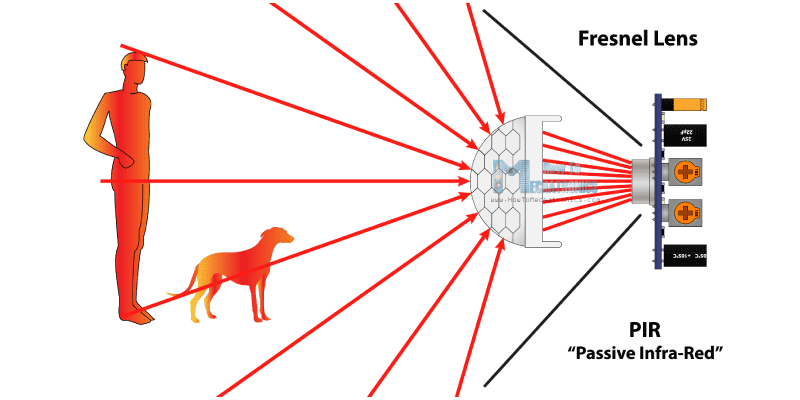
This is why, if you were to stand perfectly still, radiating warmth like a proud sun statue, some motion detectors might not even notice you. There's no change for them to detect. But wiggle a toe? Bingo! Alarm bells might ring.
It's all about the dynamism of your thermal presence. Static heat? Boring. Moving heat? Exciting! It’s quite the dramatic little box, isn’t it?
The Magic of the Bumpy Bit: The Fresnel Lens
Take a closer look at a motion detector, and you’ll often see a cool, bumpy, dome-shaped thing on the front. This isn’t just for decoration. It's called a Fresnel lens.
Sounds super fancy, right? But in simple terms, this lens is made up of a bunch of tiny, segmented lenses all crammed together. Think of it like a bug's eye, but designed for heat, not sight.
These little lenses have a crucial job. They help the PIR sensor divide the room or outdoor area into invisible slices, or detection zones. Imagine the space as a giant pie, but an invisible, heat-sensing pie.
The sensor inside is always "looking" at these different slices. When your body's heat moves from one slice to another – say, you step from slice A to slice B – the detector registers that shift.
It’s this movement of heat across these zones that triggers the detector, not just the heat itself sitting there. So, your radiant presence needs to travel to be noticed.

This segmented view is what makes the detection so effective. It’s constantly comparing the heat levels in adjacent "pie slices." No movement, no change, no alarm. Simple as that!
Why Your Cat Might Be a Secret Agent (to a Motion Detector)
This sliced-up, heat-sensing world explains a lot of those confusing triggers. For instance, why does your beloved cat sometimes set off the alarm? Because they're little furry heat torpedoes!
As they scamper across the floor, their warm bodies move from one detection zone to the next, triggering the sensor just like a human would. The detector doesn't know it's Fluffy, it just knows "warm blob moved!"
Similarly, a curtain blowing gently in a breeze might get noticed. It's not that the curtain is suddenly a burglar. It’s because the curtain might have absorbed warmth from the sun or a heater, then swayed.
That swaying movement carries pockets of heat from one invisible zone to another. Voila! The detector, in its simple wisdom, registers a change. It's all about the thermal disruption.
Even a sudden blast of cold air, if it moves through heated zones, can cause a flicker. It’s not about what things are, but about how their thermal signature changes over time and space. Fascinating, right?
My Unpopular Opinion, Revealed!
So, back to my bold, perhaps controversial, opinion. We give these devices too much credit for their "intelligence." They're not watching you with judging eyes. They're actually a bit... lazy.

They don't put in the hard work of truly seeing things. No, sir. They take a shortcut. They don't care about shapes, colors, or whether you're wearing your favorite, slightly questionable pajamas.
All they care about is the most basic, undeniable thing about you: your heat. They're the ultimate surface-level observers. No deep thoughts, just thermal detection.
"They don't see your bad dance moves, just your radiating embarrassment."
It's like they've skipped straight to reading your aura, without bothering to learn your name. We give them so much credit for their "vigilance," for being those unwavering sentinels.
But in reality, they're just sitting there, waiting for something warm to wobble from one zone to another. Kind of like a sunbathing lizard, waiting for a juicy fly to buzz by.
They're not sophisticated spies with tiny cameras. They're more like highly sensitive thermometers with a nervous twitch, constantly aware of their thermal surroundings.
This, to me, is incredibly comforting. They don't have eyes. They don't possess tiny brains forming opinions about your midnight trips to the fridge for that extra slice of pie.
They just detect a sudden shift in infrared energy. A warm blob moving. That's it. It’s liberating, almost. You’re not being "watched" in the traditional sense; you’re being "sensed."
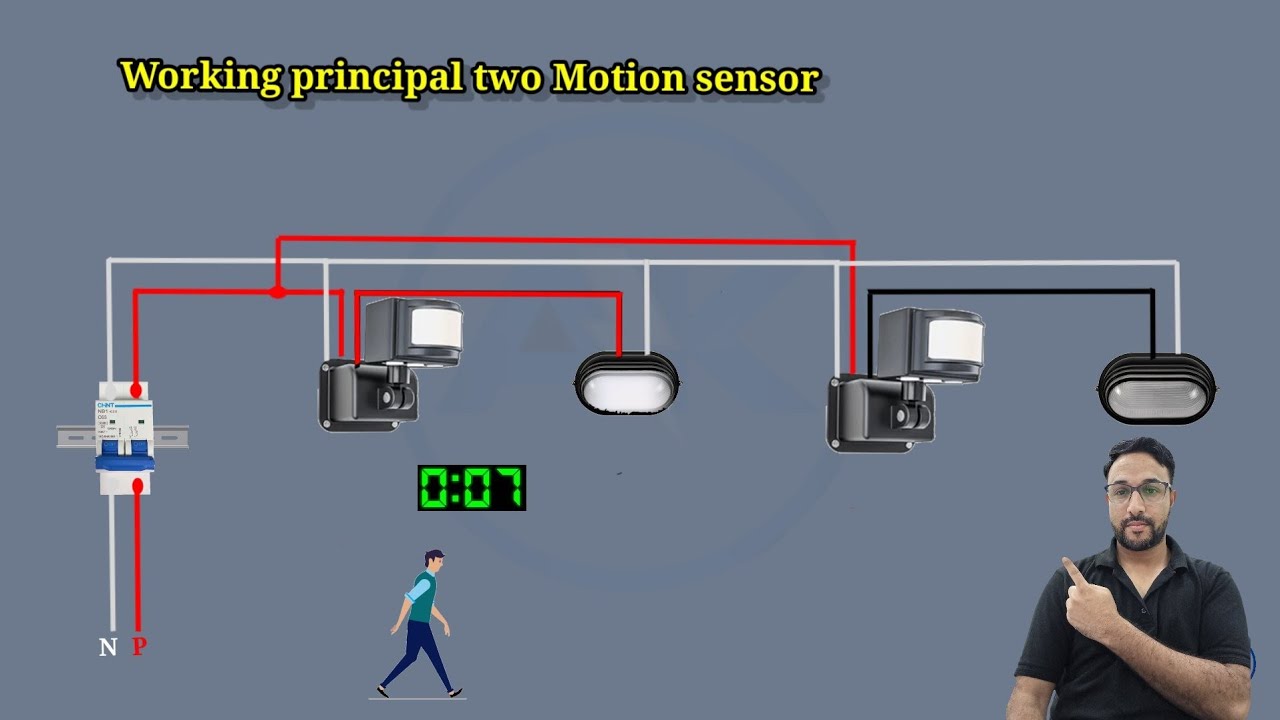
So, next time you set off that security light, don't feel embarrassed. It’s not judging your startled yelp or your clumsy attempt to turn it off with an interpretive dance.
It just registered your glorious, unique, and undeniable heat signature. You're not being observed by some all-knowing gadget. You're simply a magnificent source of warmth, detected by your own radiant power.
Embrace your inner heat source! You’re practically a superhero, leaving a trail of detectable thermal energy wherever you go. Who knew science could be so... personally reassuring?
In a world where it feels like everything is watching, isn't it nice to know that sometimes, it's just feeling your vibe? Literally.
So next time you encounter one, give a little nod. Not to say "I'm here," but to acknowledge its simple, heat-sensing diligence. It’s just doing its job, blissfully unaware of your human complexities.
And now you know their secret. They might be smart, but they're not that smart. They just feel the heat. Just like us on a cold day, reaching for a warm blanket.
So go forth, move freely, and radiate your wonderful warmth. The motion detectors of the world are merely taking your thermal temperature, not your emotional one.