How Does A Laser Welder Work
Ever marvel at the incredible detail and durability of your favorite tech gadget, or wonder how surgeons manage to implant tiny, life-saving devices with such precision? You might not realize it, but behind many of the most innovative products we use every day lies a truly astonishing piece of technology: the laser welder. While you won't be firing one up in your garage for a DIY project, the results of this high-tech marvel are all around us, making our lives safer, more convenient, and quite frankly, a lot cooler.
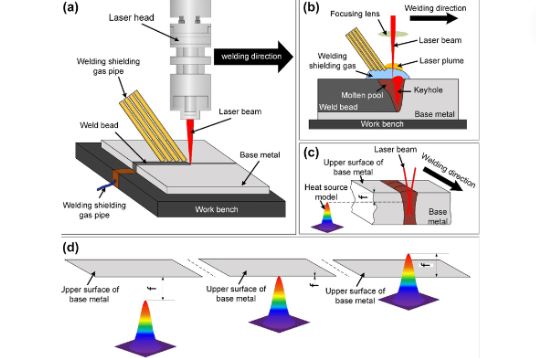
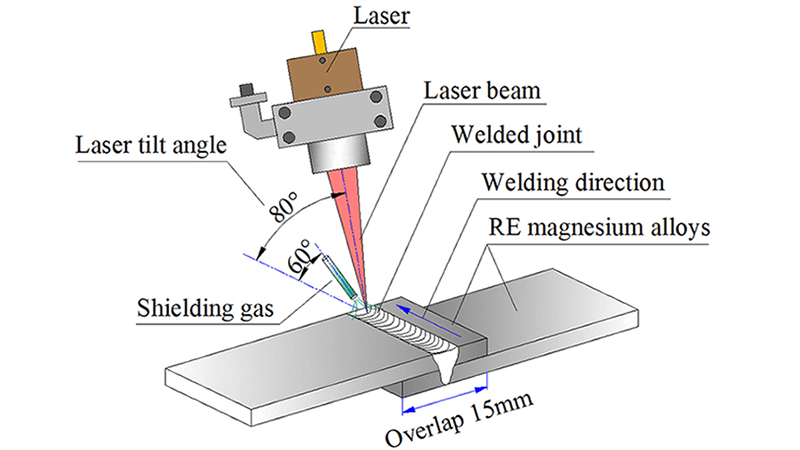
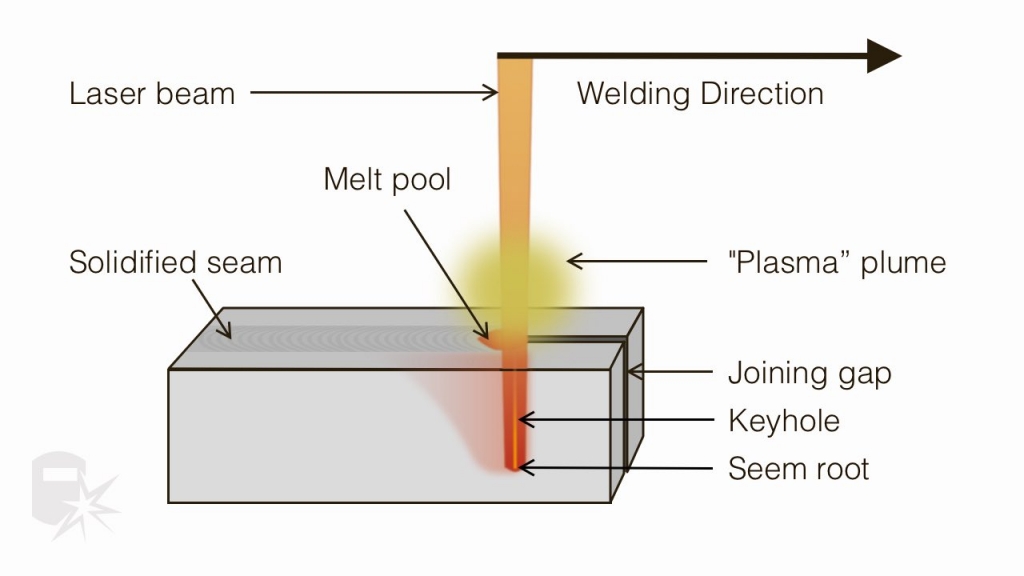
So, what exactly is this futuristic tool, and how does it manage to join metals with such finesse? Imagine taking a sunbeam and focusing it through a magnifying glass to burn a tiny hole in a leaf. Now, crank that power up by a few million times, swap the sun for a super-charged laser, and replace the magnifying glass with incredibly precise optics. That's essentially the magic of laser welding. It uses a highly concentrated beam of light – yes, light! – to deliver an intense burst of thermal energy to a microscopic spot. This energy is so potent that it instantly melts and fuses the materials together, creating an incredibly strong and clean weld.
The benefits of this process are truly transformative for modern manufacturing. Unlike traditional welding, which often involves a large heat-affected zone, laser welding delivers heat with surgical precision. This means minimal material distortion, fewer defects, and the ability to join incredibly delicate or dissimilar materials that would be impossible to weld otherwise. For everyday life, this translates into products that are lighter, stronger, and more reliable. Think about the sleek, robust casing of your smartphone, the tiny, intricate components of a pacemaker, or the precisely engineered parts in your car's engine – many owe their existence and performance to the invisible artistry of laser welding.
Must Read
You'll find laser welding quietly at work in countless applications. In the medical field, it's indispensable for creating sterile, biocompatible implants and instruments, from surgical tools to hearing aids. The automotive industry relies on it for everything from car body assembly to transmission components, improving fuel efficiency and safety. And in electronics, it's the hero behind miniature circuits, battery packs, and even the tiny connections that power your smart devices. It's also used for delicate repairs in jewelry, aerospace components, and even high-performance sporting equipment.
While operating a laser welder might be a job for highly trained professionals, you can certainly "enjoy" its impact more effectively by appreciating the ingenuity behind our modern world. Tip one: Next time you admire a perfectly finished product – be it a smart watch or a stainless steel appliance – take a moment to consider the incredible precision and strength that advanced manufacturing techniques like laser welding contribute. Tip two: If you're an aspiring engineer or simply curious, delve deeper into the science of light and material interaction; it's a fascinating field! Understanding the hidden technologies that shape our everyday items can turn simple appreciation into genuine awe for human innovation.