
How Does A Jet Turbine Work

Ever gazed out of an airplane window, a tiny speck against the vast blue, and wondered how on earth this colossal metal bird manages to defy gravity with such effortless grace? It’s not magic, though it often feels like it. At the heart of that incredible journey lies one of humanity's most ingenious inventions: the jet turbine engine. And trust us, understanding it is way cooler than you think.
Think of a jet engine as a highly sophisticated, continuous explosion machine. It's an intricate dance of physics, pressure, and fire, all orchestrated to propel you from point A to point B at speeds that would make a cheetah blush. Let's break down this marvel into four surprisingly simple, yet incredibly powerful, stages.
1. The Big Suck: Air In!
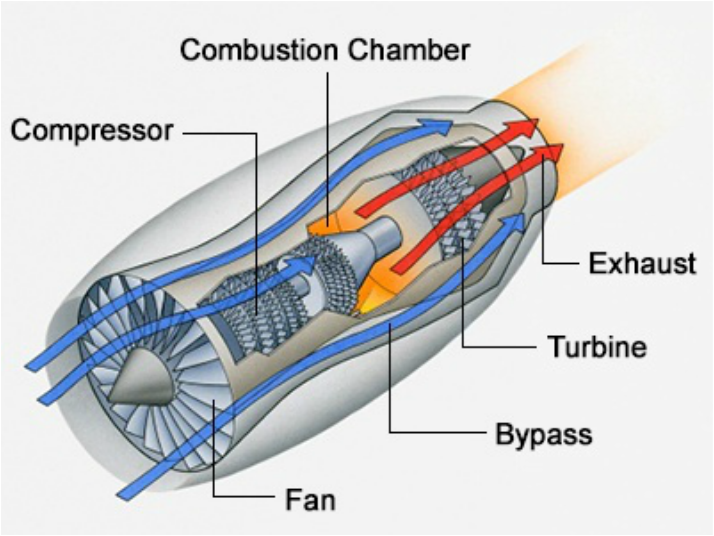
It all starts with a massive gulp of air. At the very front of the engine is the fan, a giant, multi-bladed propeller you often see spinning when approaching the plane. This fan acts like a colossal vacuum cleaner, drawing in an immense volume of air – sometimes enough to fill a squash court in a single second!
Must Read
A portion of this air goes around the engine (creating what’s called bypass thrust), which is quieter and more fuel-efficient. The rest is guided into the engine's core. Think of it as the engine taking a deep, invigorating breath before a marathon. This initial intake of air is absolutely crucial, setting the stage for everything that follows.
2. The Mighty Squeeze: Compression Time!
Once the air is inside, it enters the compressor. This is a series of rotating blades, getting progressively smaller, that literally squeeze the incoming air. Imagine trying to cram all the air from a large room into a small closet. What happens? The air becomes incredibly dense and, importantly, its temperature and pressure skyrocket.
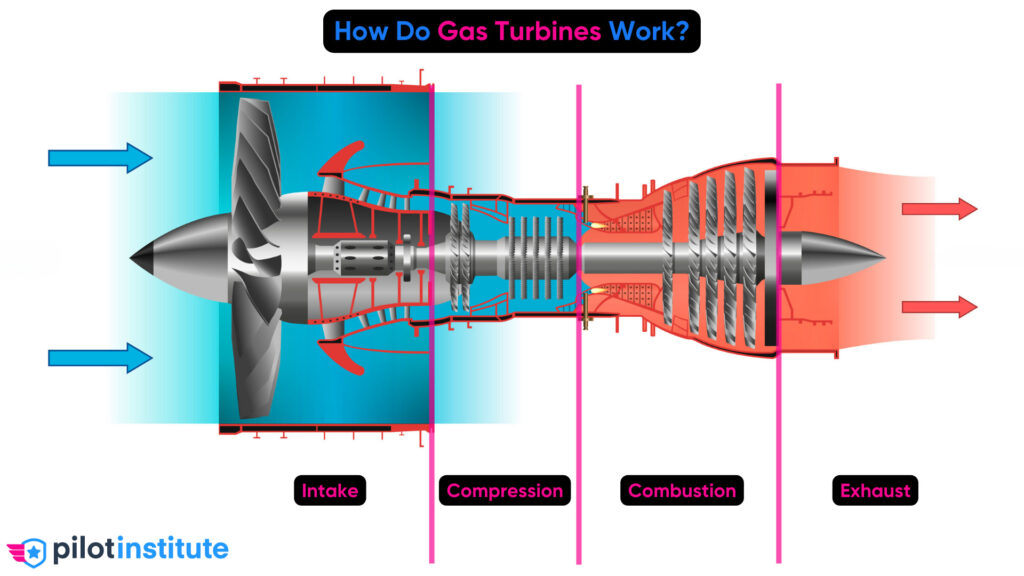
We're talking about pressures up to 50 times greater than outside the engine and temperatures that could melt some metals! This isn't just a gentle press; it's a forceful, deliberate compression that transforms ordinary air into a highly energetic, ready-to-ignite gas. This stage is all about concentrating power.
3. The Fiery Bang: Ignition!
Now for the pyrotechnics! The highly compressed, super-hot air is mixed with a fine spray of jet fuel (essentially refined kerosene) in the combustion chamber. A spark ignites this mixture, creating a continuous, controlled explosion. It’s like a never-ending bonfire happening within the engine.
The temperatures here can reach an astonishing 1,700°C (over 3,000°F)! For context, that's hotter than some active volcanoes! The genius part? Special cooling techniques are used to protect the chamber walls and subsequent turbine blades from literally melting. This is where the magic really happens – transforming fuel into sheer kinetic energy.
4. The Powerful Blow: Exhaust & Thrust!
The super-hot, high-pressure gases produced by the combustion race out the back of the engine. But before they make their grand exit, they have one more crucial job: driving the turbine. The turbine is another set of fan-like blades, but this time, they're being pushed by the exhaust gases.

As the gases blast through the turbine, they make it spin incredibly fast. And here's the clever bit: the turbine is connected by a shaft to the compressor (and the main fan) at the front of the engine. So, the energy extracted from the hot gases effectively powers the whole "suck and squeeze" process! The remaining high-velocity exhaust gases shoot out the nozzle, creating the forward thrust that propels the aircraft. It's a textbook example of Newton's third law: for every action, there is an equal and opposite reaction. The engine pushes air backward, and the air pushes the engine (and plane) forward.
So, next time you're soaring above the clouds, take a moment to appreciate the silent symphony of engineering happening just feet away. It's a testament to human ingenuity – taking simple principles like air, pressure, and fire, and combining them to create something truly extraordinary. It reminds us that often, the most powerful forces in our lives, whether they're engines or personal growth, come from understanding the fundamental steps and allowing them to build into something magnificent. Keep flying high, and keep being curious!
