
How Does A Hurricane Look Like

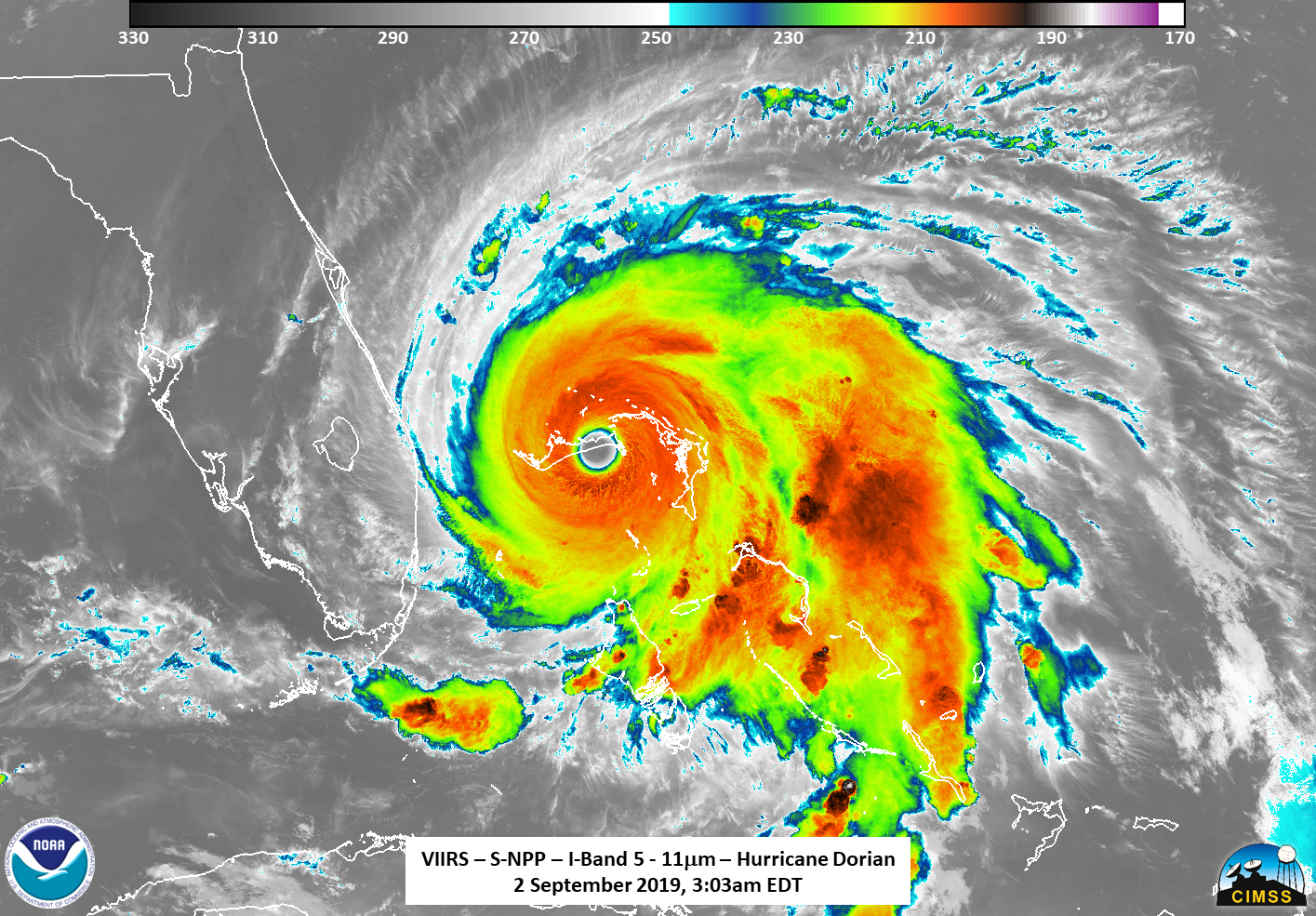
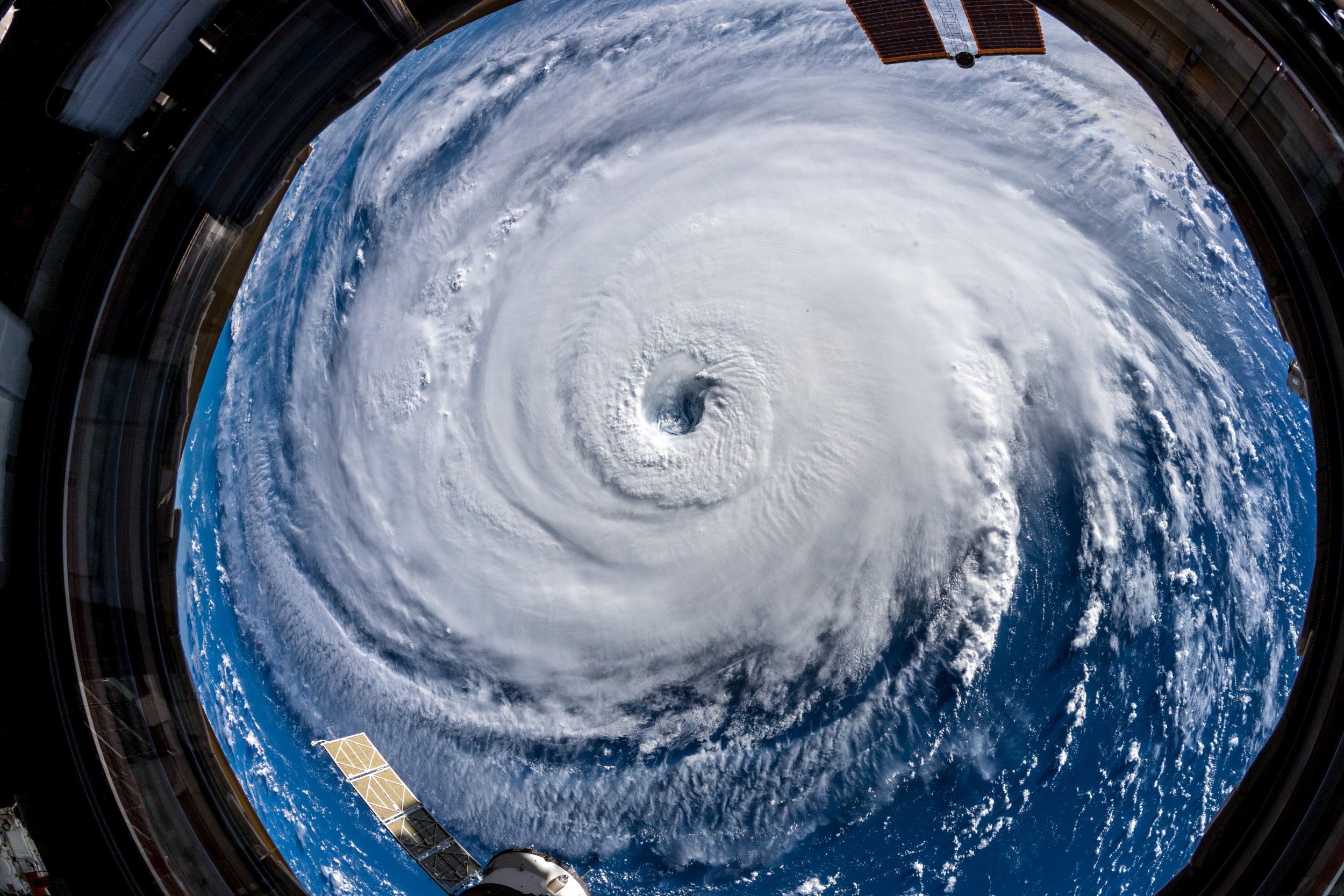
We’ve all seen the pictures, haven’t we? That iconic view from space. A majestic, swirling vortex. A perfect, symmetrical cloud pattern, like nature’s own artistic masterpiece. It's the image of a hurricane, looking rather peaceful from hundreds of miles up.
There’s a clear, calm center, a perfectly round hole. We call it the eye. It looks so serene, almost inviting. Like a giant, fluffy donut in the sky, ready for a celestial dunk. But let me tell you, experiencing a hurricane from the ground? That’s a whole different story.
It’s not quite the neat, tidy swirl you imagine. My slightly unpopular opinion? From down here, it mostly looks like a really, really bad day. Or several bad days, mashed together into one. You won't see that graceful spiral from your backyard; you’ll just see… trouble.
Must Read
Before a hurricane even properly arrives, things start to change dramatically. The sky often turns a strange, bruised color. It’s not just gray; it’s a heavy, ominous mix of purple, green, and dark slate. It feels like the entire atmosphere is holding its breath, preparing for something massive.
Then comes the wind, the real star of this destructive show. It doesn't just blow gently. Oh no, it howls, it screams, it roars like a thousand angry banshees unleashed. Trees start to perform a frantic, violent dance, swaying and bending to their absolute breaking point.
Imagine your biggest, strongest trees doing a chaotic salsa, then a waltz, then a frantic jive. Leaves rip away and become tiny, painful projectiles, like nature's own angry confetti. Anything not tied down becomes a potential airborne missile, playing a dangerous game of dodgeball.
And the rain? It's not the gentle patter we enjoy on a lazy Sunday afternoon. It comes down in sheets, absolute walls of water, so thick you can almost swim through it. Sometimes it feels like it's falling sideways, driven by the relentless, invisible fist of the wind.
:max_bytes(150000):strip_icc()/__opt__aboutcom__coeus__resources__content_migration__mnn__images__2018__09__hurricane-florence-e9559be94593429586175ff8e624716c.png)
Visibility drops to almost nothing. You can barely see your hand in front of your face. It feels like standing inside a giant, angry washing machine, but one that’s also incredibly loud and trying to dismantle your house. Everything is wet, noisy, and utterly disorienting, a true sensory overload.
The Deceptive Calm of the Eye
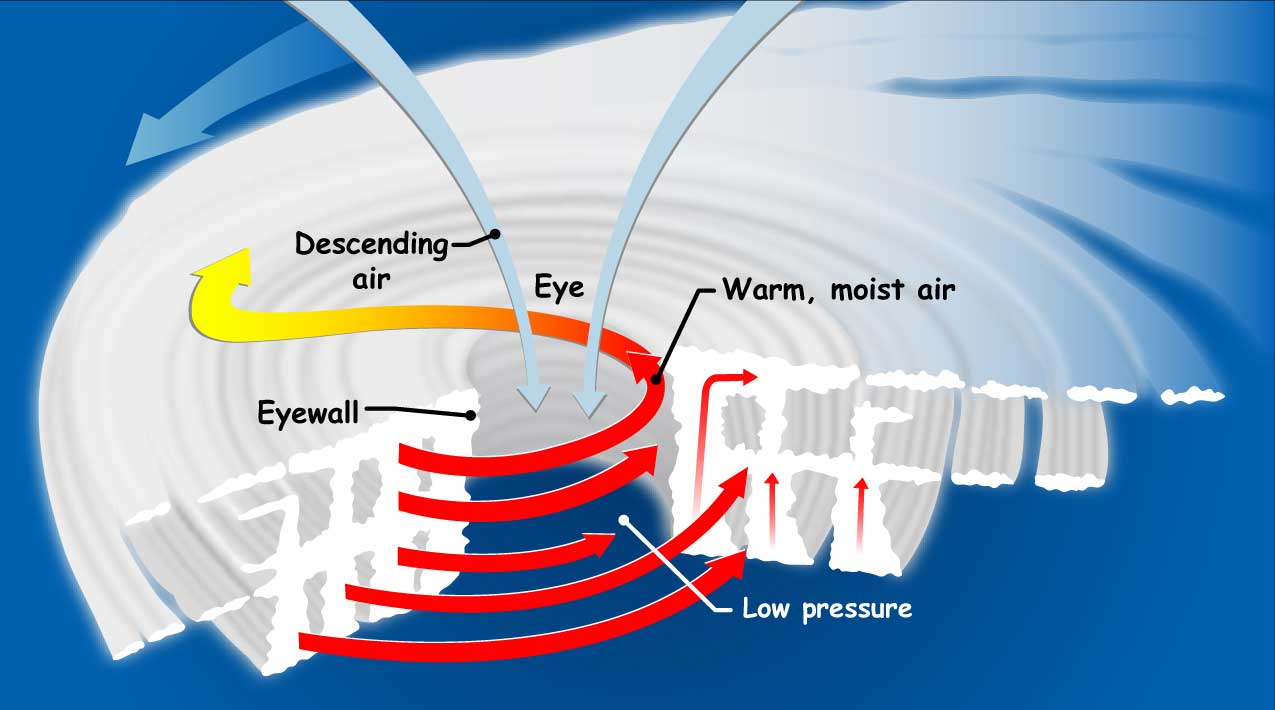
Now, about that famous eye. From space, it’s a clear, beautiful circle. From the ground, if you’re lucky enough (or unlucky enough) to experience it, it’s truly bizarre. The wind suddenly, eerily, dies down to a whisper.
The torrential rain might stop completely. The sky might even lighten, showing glimpses of blue, like a peek behind the curtains. It’s a sudden, profound quiet after hours of absolute pandemonium, almost unsettling in its stillness. Birds might start to chirp again, confused by the abrupt and temporary peace.
This is the eye of the storm passing directly over you. It's a short, temporary reprieve. It feels like nature has just taken a dramatic, very brief pause for breath, mid-fury. You might even step outside, foolishly thinking the absolute worst has passed, a very common mistake.
Don't be fooled by the tranquil lies of the eye. It's just intermission.
This calm is utterly deceptive, a cruel trick. It’s like a trickster god offering a moment of peace before the next, equally brutal assault. You are in the very center, and the rest of the storm is still swirling around you, waiting. The storm wall, the most intense part, is about to hit you again, often from a new direction.
And sure enough, after what might be an hour or two, the other side arrives with a vengeance. The wind picks up again, often from the opposite direction, adding to the confusion. The rain returns with renewed fury, as if making up for lost time, determined to soak everything.
Beyond the Eye: The Second Act
The second half of the hurricane can often feel even more brutal than the first. Sometimes, it's because you were lulled into a false sense of security during the eye. Or perhaps because your surroundings are now weaker, more vulnerable, having already taken a beating.
The world outside is a blurry, watery mess once more, a chaotic painting of motion. Trees that just endured the first beating now face another from a new, unexpected angle. It’s a relentless, unending assault on everything in its path, showing no mercy.
So, what does a hurricane look like from the ground? It looks like swirling chaos, a giant washing machine on its most aggressive cycle. It looks like nature throwing an epic, destructive tantrum. It looks like the entire world has turned into a giant, angry blender, with you somehow inside it.
It doesn't have the clean lines or the elegant spiral you see on a weather map, sadly. Instead, it’s a sensory overload of noise, wind, and water, a truly immersive, terrifying experience. It’s a feeling, more than a visual, really, deep in your bones.
You look out your window, if it hasn't broken, and you see blurry, distorted shapes. You see branches flying like spears. You see rain moving horizontally, defying all laws of gravity. You see things you never expected to see moving, well, moving with alarming speed.
It’s not a beautiful, majestic swirl. It's an overwhelming, unstoppable force. It’s the dark, angry underside of that pretty picture from space, a brute reality. It's truly a humbling experience, one that makes you feel very small.
When it finally passes, the landscape is often completely unrecognizable. Trees are toppled or stripped bare, looking like skeletal figures. Debris is everywhere, scattered like forgotten toys. The sky, however, often clears to a brilliant, sparkling blue, as if nothing ever happened.
The air feels fresh and clean, washed by the storm's incredible fury. But the evidence of what just happened is all around, stark and undeniable. The aftermath is certainly clearer to see than the actual storm was.
So next time you see that stunning satellite image of a spinning giant, appreciate its beauty. But remember, down here on ground zero, it’s far less picturesque and far more primal. It’s simply a massive, churning, unforgettable weather event that you survive, not simply watch.
It's not a view you'd ever frame or hang on your wall. It's not Instagram-ready. Unless, of course, you're into abstract art and terrifying, life-altering experiences. It's more of a feeling you carry with you, a deep respect for nature's immense power.
It makes you grateful for solid walls and a roof overhead. And perhaps, a little less critical of your messy hair after it all. Because when a hurricane arrives, looking good is the least of anyone’s worries!