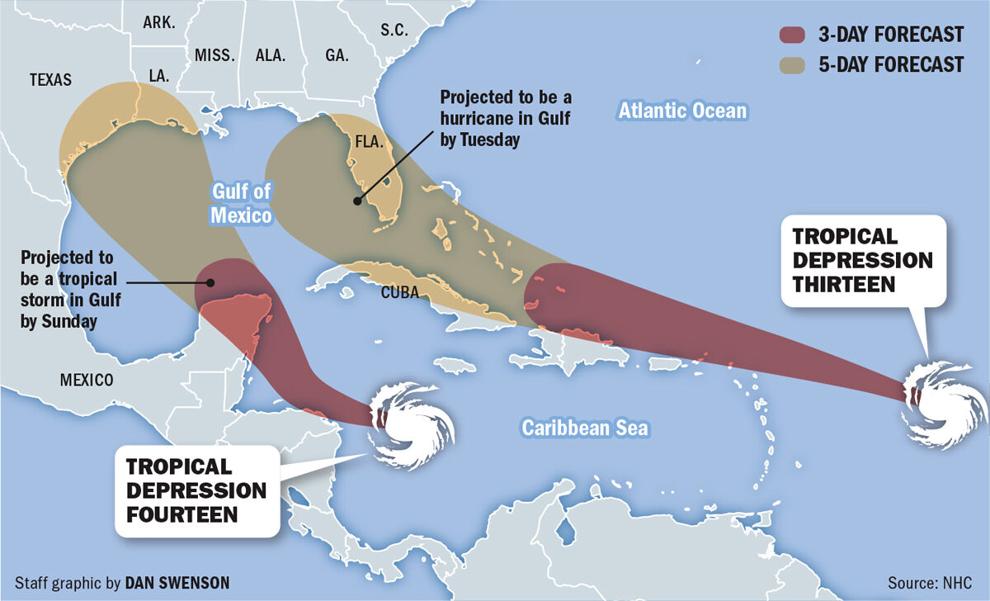
How Does A Hurricane Form In The Gulf Of Mexico

Ever wondered how those swirling, scary storms we call hurricanes pop up in the Gulf of Mexico? It's not magic, though it sometimes feels that way when you're glued to the weather channel! It's a fascinating, albeit slightly terrifying, dance of weather conditions coming together to create these mega-storms. Let's dive in, shall we?
The Secret Ingredient: Warm Water, and LOTS of it!
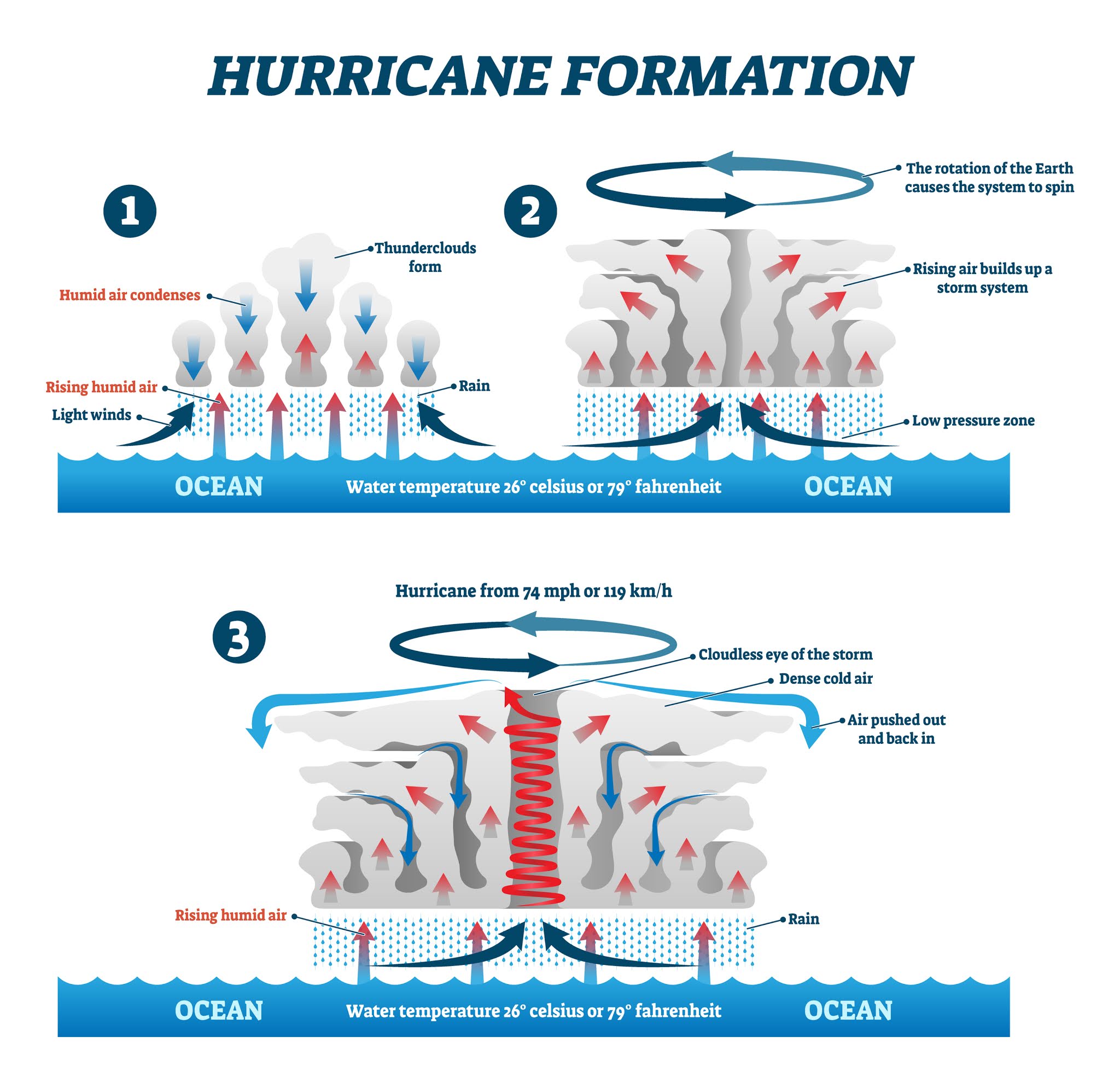
Imagine you're trying to make a really awesome smoothie. What's the most important ingredient? For a hurricane, that's super warm water. The Gulf of Mexico is like a giant, natural smoothie blender, and during the summer months, it gets seriously warm. We're talking bathwater warm – usually above 80°F (27°C) for at least 50 meters deep. That's like having a jacuzzi covering an area bigger than some countries!
Why the warm water, you ask? Well, think of warm water as hurricane fuel. It’s the energy source that gets everything started. The warm water evaporates, turning into water vapor. This isn't just a little bit of steam – we're talking about massive amounts of water vapor rising into the atmosphere. Think of it like a gigantic, invisible cloud of humid air, just waiting to explode with energy.
Must Read
The Rising Air Act: Up, Up, and Away!
Now, this warm, moist air starts to rise. Think of it like a hot air balloon, but instead of being filled with hot air from a burner, it's filled with warm, moist air from the Gulf. As the air rises, it cools. And as it cools, the water vapor condenses back into liquid water, forming clouds. This condensation process releases a huge amount of heat. Think of it as nature's way of saying, "Okay, things are about to get serious!"
This released heat makes the air even warmer, causing it to rise even faster and draw in more warm, moist air from the ocean below. It's a positive feedback loop, like when you tell a joke and everyone laughs, so you tell another, and another, until everyone is rolling on the floor. Except in this case, instead of laughter, we're getting stronger and stronger winds.
The Coriolis Effect: That Swirling Thing
Here’s where things get a little weird. Imagine you're trying to throw a ball straight to your friend who’s standing far away. But the world is spinning (because, well, it is). So, the ball seems to curve off to the side. That's kind of what the Coriolis effect does to a hurricane.
The Earth's rotation causes winds to deflect to the right in the Northern Hemisphere. This deflection is crucial for creating the swirling motion we associate with hurricanes. Without it, the rising air would just go straight up and down, and we'd have a big thunderstorm instead of a rotating beast of a storm. So, thank (or curse) the Earth's rotation for giving hurricanes their signature spin!
Low Pressure, High Drama
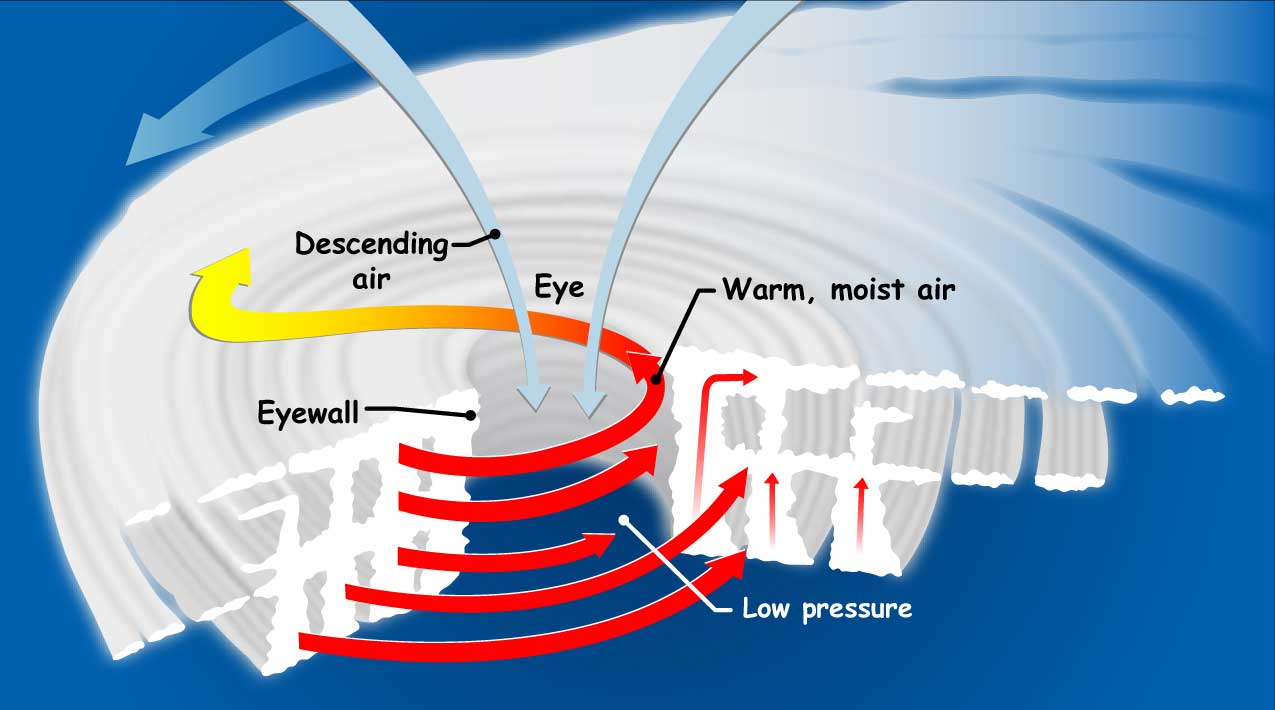
All this rising air creates an area of low pressure at the surface of the ocean. Think of it like a vacuum cleaner, sucking in air from all directions. The lower the pressure, the stronger the winds that are drawn in. This is why you often hear meteorologists talking about the central pressure of a hurricane – the lower the pressure, the more intense the storm.
As more and more air rushes in, it also starts to rise and swirl, contributing to the already crazy feedback loop. It's like a snowball rolling down a hill, getting bigger and bigger and faster and faster until it's a massive avalanche. Only this avalanche is made of wind, rain, and potentially a whole lot of trouble for anyone in its path.

The Perfect Storm: Everything Comes Together
So, to recap, here's the recipe for a Gulf of Mexico hurricane:
- Hot, hot water: 80°F or higher.
- Rising, moist air: Fueling the storm with energy.
- The Coriolis effect: Giving it that signature swirl.
- Low pressure: Sucking in air and intensifying the winds.
When all these ingredients come together just right, you have the potential for a hurricane to form. It's a powerful reminder of the forces of nature and why it's so important to pay attention to weather warnings, especially during hurricane season. Now, go forth and impress your friends with your newfound hurricane-formation knowledge! Just, you know, maybe don't try to create one yourself. Leave that to Mother Nature – she seems to have a pretty good handle on it already.