
How Does A House Generator Work

Ah, the dreaded power outage! One minute you're binging your favorite show, the next you're fumbling for a flashlight. It’s a truly modern tragedy, isn't it? Our homes suddenly become silent, cold, and utterly useless.
Then, boom! (Or rather, a gentle hum), and the lights flicker back on. No, it wasn't a wizard. It was your trusty house generator, springing to life like a superhero.
Now, here’s my slightly unpopular opinion: most of us pretend these things are powered by pure magic. We nod knowingly when someone mentions "the generator," but deep down, we suspect it's just a big, secret battery. Spoilers: it's not a battery. Not really.
Must Read
The Heart of the Hum: It's Just an Engine!
Let's demystify this "magic box" together. At its core, a house generator is surprisingly straightforward. Think of it like the engine in your car, but designed to power your house, not your commute.
Yes, it has pistons, spark plugs, and everything. It burns fuel to create movement. This fuel might be gasoline, propane, or even natural gas from your utility line.
So, when the power goes out, the generator simply says, "Hold my beer!" It fires up its engine. This is the first, crucial step in getting your lights back on.
Fueling the Beast
The type of fuel is pretty important. Some generators sip on propane, like a fancy grill. Others guzzle gasoline, which you might store in cans.
The most convenient ones are hooked directly to your natural gas line. They just keep chugging along as long as the gas flows. No refilling in the rain required, which is a big win in my book.
Imagine having to manually feed a giant, hungry metal beast in the dark. That’s a nightmare scenario right there. Thank goodness for automatic systems!
From Guts to Gigawatts: The Alternator
So, the engine is running and making things move. Great. But how does movement turn into electricity? This is where the real cleverness comes in. It’s all thanks to something called an alternator.
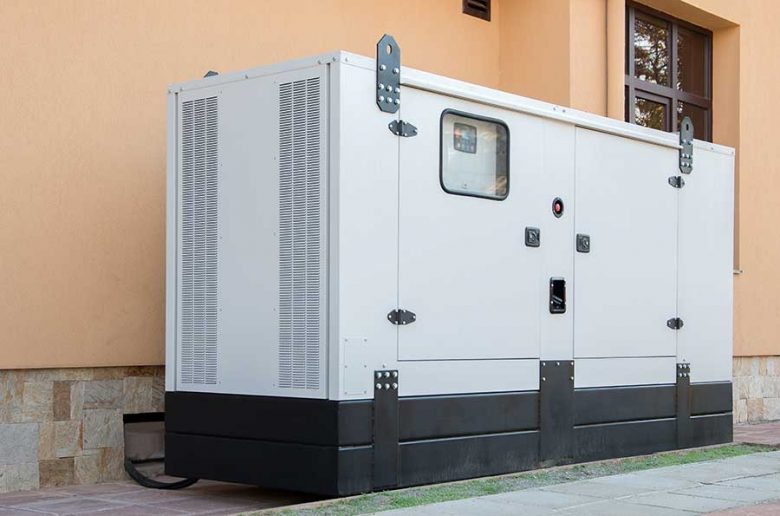
The alternator is essentially a mini power plant. It takes the mechanical energy from the spinning engine. Then, through the magic of electromagnetism (don't worry, we won't get too nerdy), it creates an electrical current.
Imagine spinning a giant magnet very fast near a coil of wire. Voila! Electricity is born. That's essentially what the alternator does, only much more efficiently.
The Spin Cycle of Power
Inside the alternator, there are parts called rotors and stators. The rotor spins, often with magnets attached. The stator is stationary, wrapped with coils of wire.
As the magnetic field from the rotor cuts through the wire coils of the stator, it induces an electric current. This is the electricity that will soon be powering your refrigerator and charging your phone. Pretty neat, right? It's less magic and more science.
But still, isn't it kind of magical that spinning magnets can light up your entire house? My unpopular opinion: we should applaud these tiny, metallic wizards more often.
The Brains of the Operation: The Automatic Transfer Switch
You don't want to manually plug your house into the generator every time the power flickers. That would be messy and frankly, quite dangerous. This is where the Automatic Transfer Switch, or ATS, comes in.
Think of the ATS as the generator’s brilliant, ever-vigilant brain. It constantly monitors your home's power supply. It knows the exact moment utility power fails.

When the grid goes down, the ATS wakes up the generator. It literally sends a signal for the engine to start. No human intervention needed.
Switching Gears (and Power)
Once the generator is running and producing stable electricity, the ATS performs its most critical job. It safely disconnects your home from the utility grid. Then, it connects your home to the generator’s power supply.
This two-step process is crucial for safety. You never want your generator sending power back into the utility lines. That’s extremely dangerous for utility workers.
The ATS ensures your home gets power from only one source at a time. It’s like a strict bouncer for electricity.
When utility power is restored, the ATS senses it. It then reverses the process. It switches your home back to grid power and tells the generator to shut down.
The Grand Symphony of Power Restoration
Let’s put it all together into a real-life scenario. Imagine a storm hits, and the lights go out.
Step 1: The Blackout. The utility power goes bye-bye. Your house sighs in the dark.
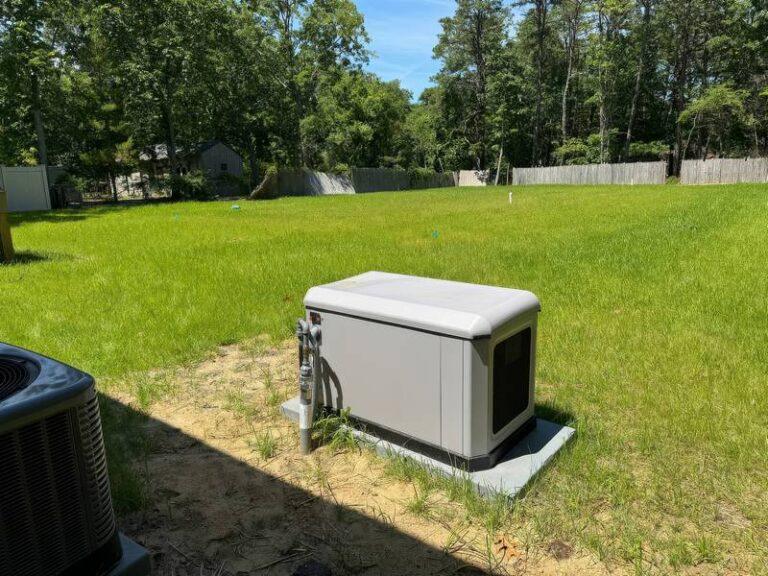
Step 2: ATS on Alert. The Automatic Transfer Switch immediately detects the loss of power. It snaps to attention, ready for action.
Step 3: Generator Awakens. The ATS signals the generator to start its engine. You might hear a cough, then a rumble from outside.
Step 4: Power Production. The generator's engine revs up. The alternator begins spinning, creating electricity. It takes a few seconds to get up to speed.
Step 5: The Big Switch. Once the generator is producing stable power, the ATS disconnects your house from the dead utility lines. It then connects your house to the generator.
Step 6: Lights On! Electricity flows from the generator, through the ATS, and into your home's electrical panel. Presto! Your lights, fridge, and Wi-Fi spring back to life.
Step 7: Grid Returns. Hours later, utility power is restored. The ATS senses this glorious return.
Step 8: Reversal. The ATS waits a moment to ensure utility power is stable. Then, it smoothly switches your home back to the main grid.

Step 9: Generator Rests. Finally, the ATS tells the generator to cool down and shut off. It then goes into standby mode, waiting for the next outage.
All of this happens without you lifting a finger. It's truly a seamless dance between machine and mind. My unpopular opinion: we should give these silent guardians a round of applause after every outage.
The Unseen Maintenance Crew
Generators aren't set-it-and-forget-it devices. They need a little love to stay ready. Most generators run a self-test every week or so.
This short test ensures the battery is charged and the engine starts. It's like a quick stretch before a big race. You might hear a brief rumble, then silence.
Regular maintenance, like oil changes and filter replacements, is also key. Just like your car, it keeps the engine happy and ready to perform. Neglect it, and it might just sulk during the next storm.
Final Thoughts on the Not-So-Magic Box
So there you have it. A house generator isn't a mystical energy beast or a secret battery. It's an engine that spins magnets to make electricity.
And it has a smart brain (the ATS) to manage the whole process automatically. It's a marvel of practical engineering, really. The next time your lights come back on thanks to one, give it a silent nod of appreciation.
My unpopular opinion: understanding how they work makes them even more impressive. It’s a testament to human ingenuity. And who couldn't use a little less fumbling for candles in the dark?