
How Does A Hot Water Geyser Work

The Great Hot Water Mystery!
Ever step into a shower, turn the knob, and feel that glorious warmth wash over you? It’s pure bliss, isn't it?
One moment, you're shivering, the next you're enveloped in steamy comfort. It feels like magic, right?
But have you ever paused to wonder how this everyday miracle actually happens? Most of us just nod and enjoy!
Must Read
What's This "Unpopular Opinion" You Speak Of?
Here's my totally serious, utterly scientific, and widely unpopular opinion: your hot water geyser is a demanding diva.
Yes, that unassuming metal cylinder hiding in your cupboard or garage? It's silently judging your cold showers.
It acts all stoic and simple, but it demands constant pampering, special attention, and a steady supply of energy.
"The hot water geyser: an appliance that provides comfort, only after you've provided everything else."
So, How Does This Magical Box Work?
Let's peel back the curtain on this domestic celebrity. Forget the wizardry; it's mostly clever engineering, but with a diva's flair.
It's a simple process, really, yet we treat it with awe when it delivers its perfect, hot performance.
At its core, a geyser is just a highly insulated tank that heats and stores water for you.
The Cold Truth (Literally!)
Every diva needs a starting point, and for our geyser, that's a blast of cold water.
Cold water enters the tank through a pipe, usually at the bottom or side, but then gets directed downwards.
This is thanks to something called a dip tube, which sends the chilly water right to the tank's very bottom.

This keeps the incoming cold water from immediately mixing with the glorious hot water already waiting at the top.
It's like sending the uninvited guest straight to the back of the party, ensuring the VIPs (the hot water) aren't disturbed.
The Belly of the Beast: The Tank Itself
The main event, the stage for all this transformation, is the tank itself. It's usually made of steel, very robust.
Inside, it's often lined with glass or porcelain. This lining is crucial, protecting the steel from rust and corrosion.
Think of it as the geyser's delicate interior, which requires special care to ensure its long and happy performance life.
Without this lining, our demanding diva would rust through faster than you can say "cold shower."
The Secret Superpower: Heating Up!
Now for the real muscle of the operation: the heating element. This is where the magic (and your energy bill) happens.
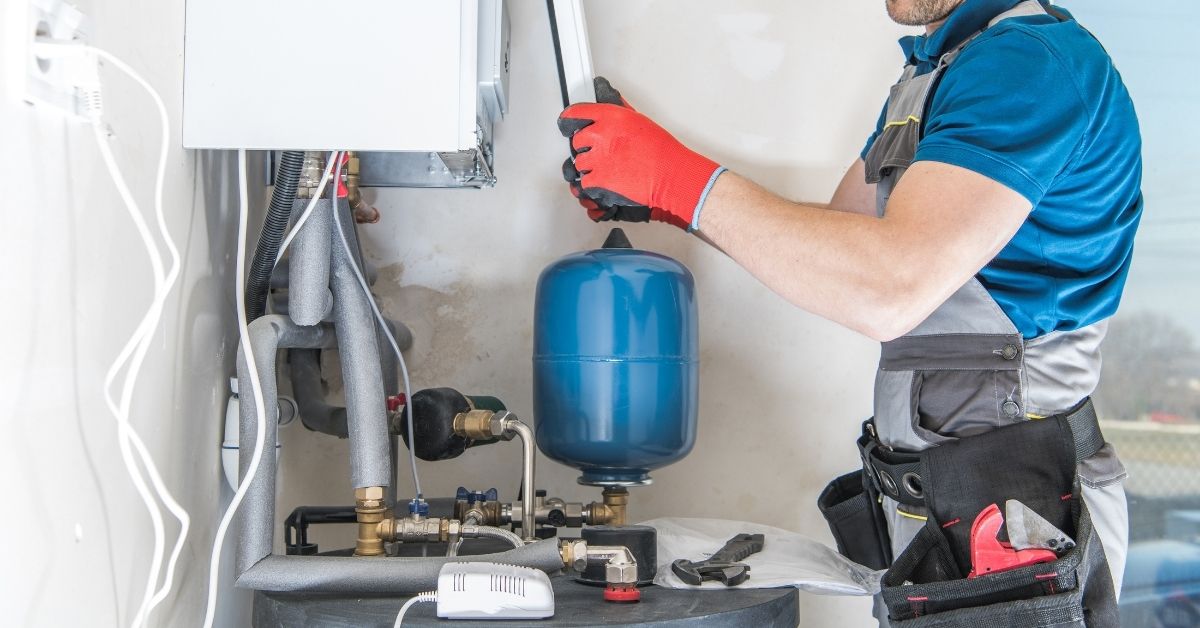
Most home geysers use either electricity or gas to heat the water.
If it's electric, a powerful heating element (or two!) sits inside the tank, submerged in the water.
It's essentially a giant electric kettle coil, glowing red-hot (metaphorically, of course, it's underwater!) and transferring heat directly to the water.
Gas geysers, on the other hand, use a burner at the bottom of the tank to heat the water from below.
Either way, this is the geyser's tireless effort, converting raw energy into that steamy comfort you crave.
The Bossy Brain: The Thermostat
Every diva needs a manager, and for our geyser, that's the thermostat. This is the ultimate control freak.
You set your desired water temperature, and the thermostat makes sure the geyser sticks to it rigidly.
When the water temperature drops below your setting (perhaps after a long shower), the thermostat kicks the heating element into action.
Once the water is perfectly hot again, the thermostat tells the element to power down, saving energy and preventing overheating.
It's constantly monitoring, ensuring the geyser performs exactly as you expect, never too hot, never too cold.
Keeping it Cozy: Insulation
Even divas need a warm blanket to stay comfortable, and geysers are no exception. This is where insulation comes in.
The space between the inner tank and the outer casing is packed with a thick layer of insulation.
This material, often foam or fiberglass, acts like a super-efficient thermal blanket.
It traps the heat inside the tank, preventing it from escaping into the colder surrounding air.
This means your geyser doesn't have to work constantly, saving you energy and keeping the water hotter for longer.
The Great Escape: Hot Water Out!
Finally, the grand finale! When you turn on a hot tap in your home, the pressure of the incoming cold water does the rest.
It pushes the already-heated hot water out through a separate pipe, usually located at the top of the tank.
Because hot water rises, the hottest water is always waiting at the very top, ready for its grand exit.
There's also an important safety feature: a pressure relief valve.
This little hero prevents the tank from building up too much pressure, which could be dangerous.

It's the geyser's subtle way of saying, "I'm performing, but safety first, darling!"
The Cycle Continues... and Why Your Opinion Matters
And so, the cycle repeats! Cold water in, heated up, stored, and then delivered on demand. Simple, yet profoundly comforting.
But remember my unpopular opinion? This whole process is utterly dependent on us.
We provide the cold water, the electricity or gas, and the desire for consistent warmth.
Without our constant supply and demand, our geyser diva would just sit there, silent and cold.
A Final Thought for Our Demanding Geysers
So next time you enjoy that perfect hot shower, spare a thought for your hardworking geyser.
It's silently performing its duties, waiting for its next cue, all while secretly demanding your energy and attention.
Perhaps a little thank you is in order for this unsung, slightly bossy, hero of your daily routine!