
How Does A Generator Produce Electrical Energy
Ever wondered how a generator – that magical box that roars to life when the power goes out – actually makes electricity? Well, buckle up, buttercup, because we're about to take a whirlwind tour of electromagnetic wizardry! It's way simpler than you think, even if it sounds like something straight out of a science fiction movie.
The Secret: Magnets and Motion!
At its heart, a generator is all about harnessing the power of electromagnetism. Think of it like this: magnets and electricity are like best friends who just can't stay away from each other. When one is around, the other is bound to show up eventually.
The main players in our generator drama are:
- A Magnet: Yep, just like the ones sticking to your fridge, except way stronger.
- A Coil of Wire: Imagine a bunch of copper wire wrapped into a loop. This is where the magic really happens.
- Motion: This is the key ingredient! Something needs to be moving to get the electricity flowing.
Must Read
The Electromagnetic Tango
Now, here's the dance. When you move that coil of wire through the magnetic field of the magnet, something amazing happens: you create an electric current in the wire! It's like the magnet is saying, "Hey wire, you're moving! Here, have some electricity!"
This phenomenon is called electromagnetic induction. Fancy, right? But all it means is that motion creates electricity. It's like rubbing a balloon on your hair to make it stand on end – except instead of static electricity, we're creating a usable flow of electrons (that's electricity, in simple terms!).
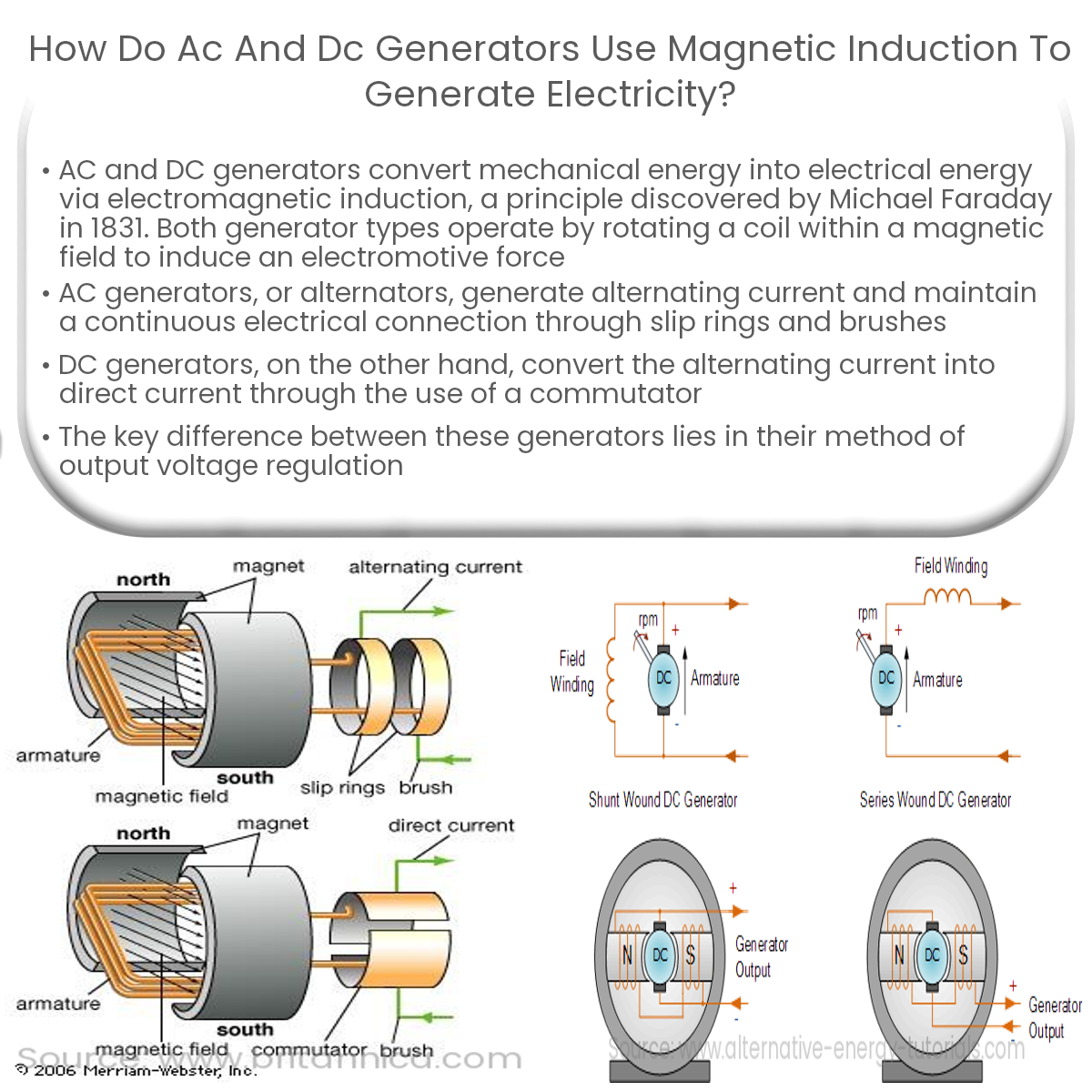
Think of it like this: imagine you're pushing a kid on a swing. The harder and faster you push (more motion!), the higher they go (more electricity!). The bigger the magnet (stronger magnetic field!) and the more loops of wire (more to interact with the field!), the more electricity you get too. It's all about maximizing the motion and the magnetic mojo!
From Hand Crank to Power Grid
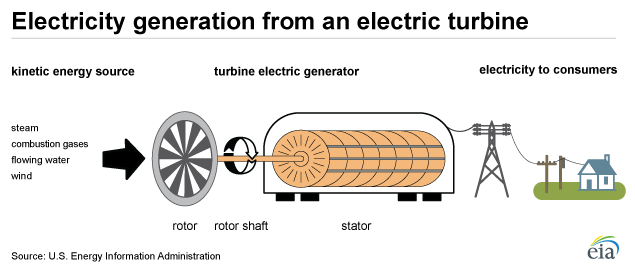
Okay, so how does this work in a real generator? Well, instead of you manually waving the wire around (though some very old generators did work like that!), most generators use an engine. This engine (powered by gasoline, diesel, natural gas, or even renewable sources like wind or water) provides the mechanical energy to spin the coil of wire inside the magnetic field. It's like having a super-powered, never-tiring arm pushing that kid on the swing!
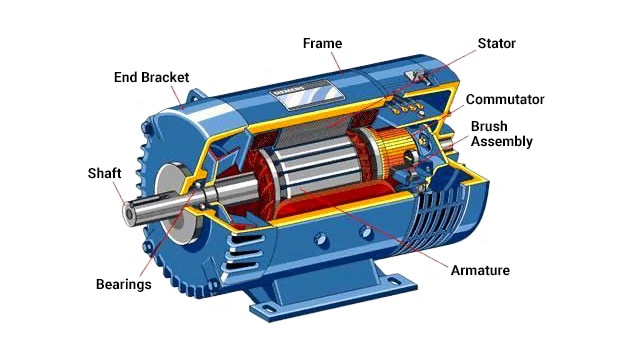
The spinning coil creates a continuous flow of electricity, which is then channeled out through wires to power your lights, your TV, your blender, and everything else that makes modern life so darn convenient. It is so simple!
Now, the generators in power plants are, of course, much, much bigger than the ones you might have at home. They use enormous magnets and powerful turbines driven by steam (often heated by burning fossil fuels or nuclear fission) or water to generate massive amounts of electricity for entire cities and beyond. Think of it as a mega-swing set pushing electrons around the entire country!

In a Nutshell (or a Lightbulb!)
So, the next time you see a generator humming away, remember the simple secret: magnets, motion, and a coil of wire dancing together to create electricity. It's a beautiful example of how the forces of nature can be harnessed to power our world. And who knows, maybe you'll be inspired to build your own miniature generator someday! Just don't blame me if you accidentally power the whole neighborhood.
And there you have it! Now you can impress your friends at the next barbeque with your newfound knowledge of generator technology. Just try not to sound too much like a know-it-all, okay?
