
How Does A Fossil Fuel Plant Produce Electricity
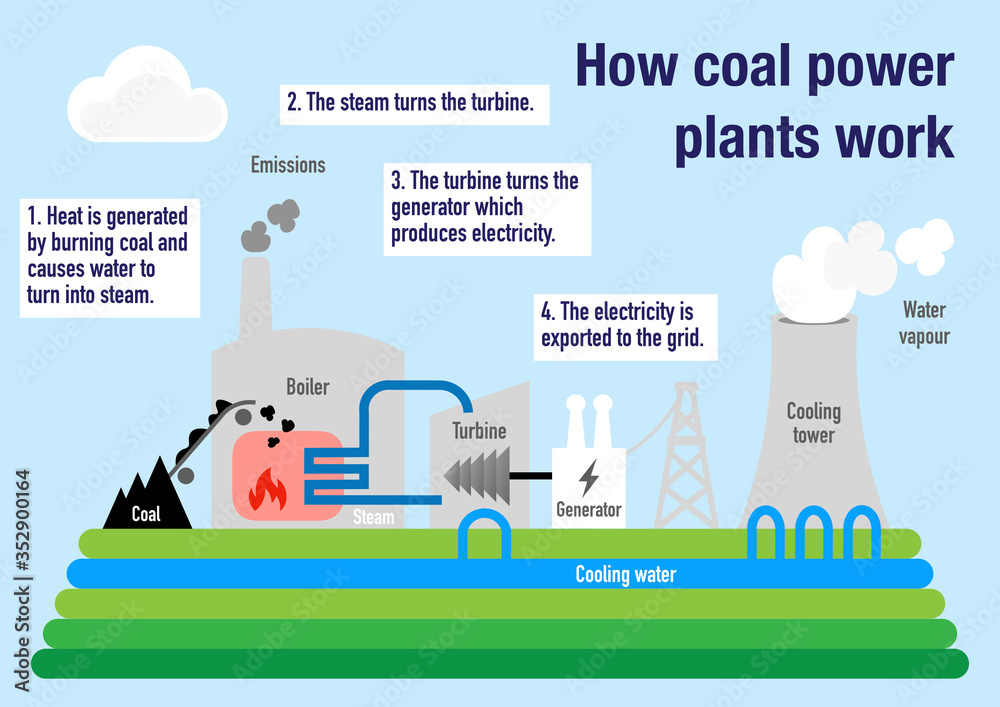
Hey, wanna know how those big ol' fossil fuel plants churn out the electricity that powers our Netflix binges? Grab your coffee (or tea, no judgment!), and let's dive in. It's actually simpler than you might think... mostly.
Burning Stuff, Making Steam!
Okay, first things first, we gotta get some fuel. Think coal, natural gas, or even oil. Yep, the stuff we also use in our cars. Feels a little... backwards, doesn't it?
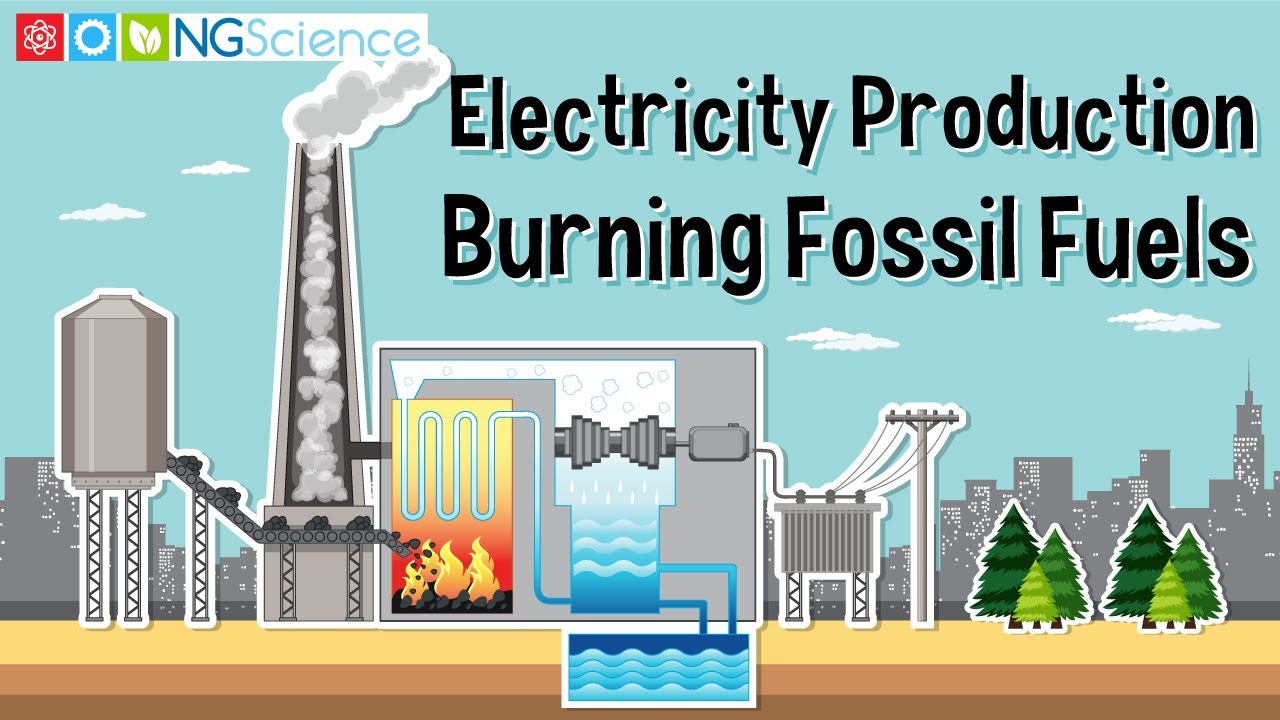
Now, we light that stuff on fire. A HUGE fire. We're talking dragon-breath levels of fiery. And this isn't just any old campfire; it's a carefully controlled combustion process. Safety first, people!
Must Read
All that heat? It boils water! Like, a seriously industrial-sized kettle. We're talking enough steam to make a whole city's worth of tea... if we wanted to.
Steam Power! (No, Not the Victorian Kind)
This isn't your great-grandpappy's steam engine (although the principle is kinda similar). This steam is super-heated and pressurized. We're talking intense! Imagine a geyser, but contained and directed.
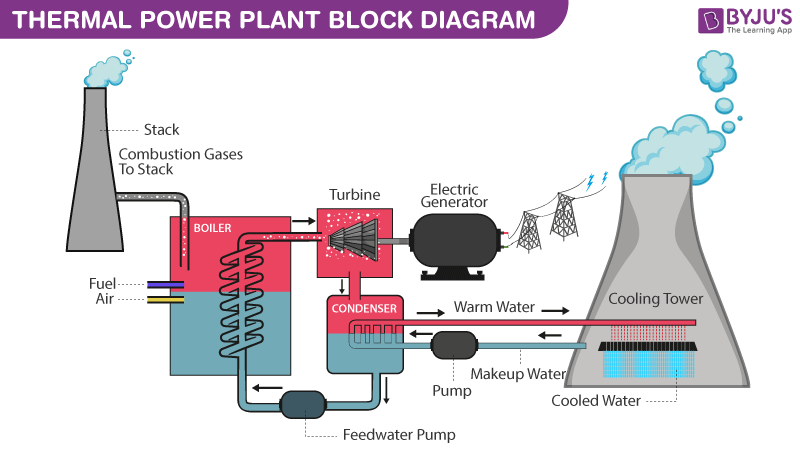
That steam then blasts through a turbine. Picture a massive fan, but instead of air making it spin, it's that super-heated steam. The force of the steam makes the turbine blades whirl around like crazy. Round and round they go, where they stop, nobody knows... well, actually, we know. They stop when the plant shuts down!
Generators: The Real MVPs
Okay, this is where the magic (or, you know, physics) really happens. The turbine is connected to a generator. Think of the generator like a giant, fancy version of the dynamo on your old bicycle that powered the headlight. Remember those? Nostalgia trip!
Basically, the generator uses the spinning motion of the turbine to create electricity. It does this through something called electromagnetic induction. Don't worry, you don't need a physics degree to understand it. Just know that spinning magnets around wires makes electricity. Science!
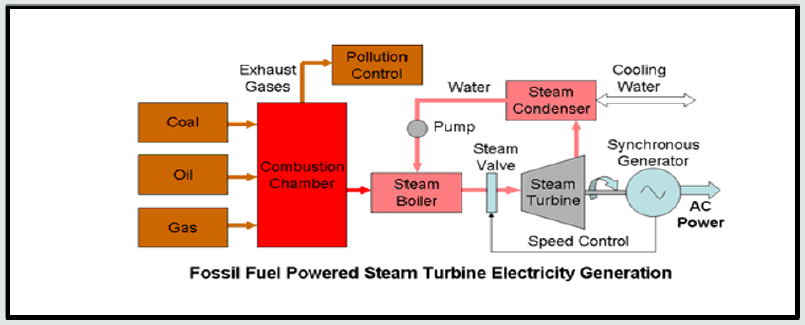
So, the turbine spins the generator, the generator makes electricity. Simple, right? Well...ish.
From the Plant to Your Plug
That electricity is then sent through transformers to increase the voltage. Why? Because high voltage electricity travels more efficiently through power lines. Imagine trying to shove a whole pizza through a tiny straw; easier to cut it into slices first, right? It's like that, but with electricity.

Then, the high-voltage electricity travels along those big, scary power lines you see stretching across the countryside. From there, it goes through more transformers to reduce the voltage again before it enters your home. You wouldn't want thousands of volts frying your phone charger, would you?
The Not-So-Pretty Side...
Now, before you think it's all sunshine and roses (or rather, steam and turbines), let's talk about the elephant in the room. Burning fossil fuels releases greenhouse gases like carbon dioxide, which contribute to climate change. Yikes.
Also, there are other pollutants released, depending on the type of fuel being burned. We're talking stuff that can cause respiratory problems and other health issues. Double yikes.
That's why there's a big push towards cleaner energy sources like solar, wind, and hydro. We need to power our lives without cooking the planet!
So, There You Have It!
That's the basic rundown of how a fossil fuel plant makes electricity. Burn fuel, boil water, spin a turbine, generate electricity, and send it on its way. Now you can impress your friends at the next trivia night! Or, you know, just feel a little bit smarter about where your electricity comes from. Either way, you're welcome!
Now, about that second cup of coffee...