
How Does A Battery Work In A Car

Ever hopped into your car, turned the key (or pushed the button!), and felt that satisfying rumble as the engine purrs to life? It’s a moment we often take for granted, isn't it? But pause for a second and think: where does all that initial grunt come from?
It’s not magic, though sometimes it feels like it. It’s actually thanks to one of the most unsung heroes of your daily commute: the humble car battery. This little box of electrochemical wonder is doing some seriously cool science right under your hood.
What Does a Car Battery Actually Do?
At its heart, a car battery is a fantastic energy storage device. Think of it like a tiny, self-contained power plant, or maybe a super-efficient snack dispenser for electricity. Its main job is to provide a massive burst of electrical power to crank your engine into action. That starter motor needs a lot of juice to get everything moving!
Must Read
But it's not just about starting. Your battery also powers all those essential electrical goodies when your engine isn't running – like your radio, headlights (if you forget to turn them off!), and interior lights. It's the silent, ever-ready guardian of your car's electrical ecosystem.
The Spark of Genius: Chemical Reactions!
So, how does it conjure up all this power? It’s all down to a clever little dance of chemistry. Most car batteries are what we call lead-acid batteries, and they're pretty ingenious.
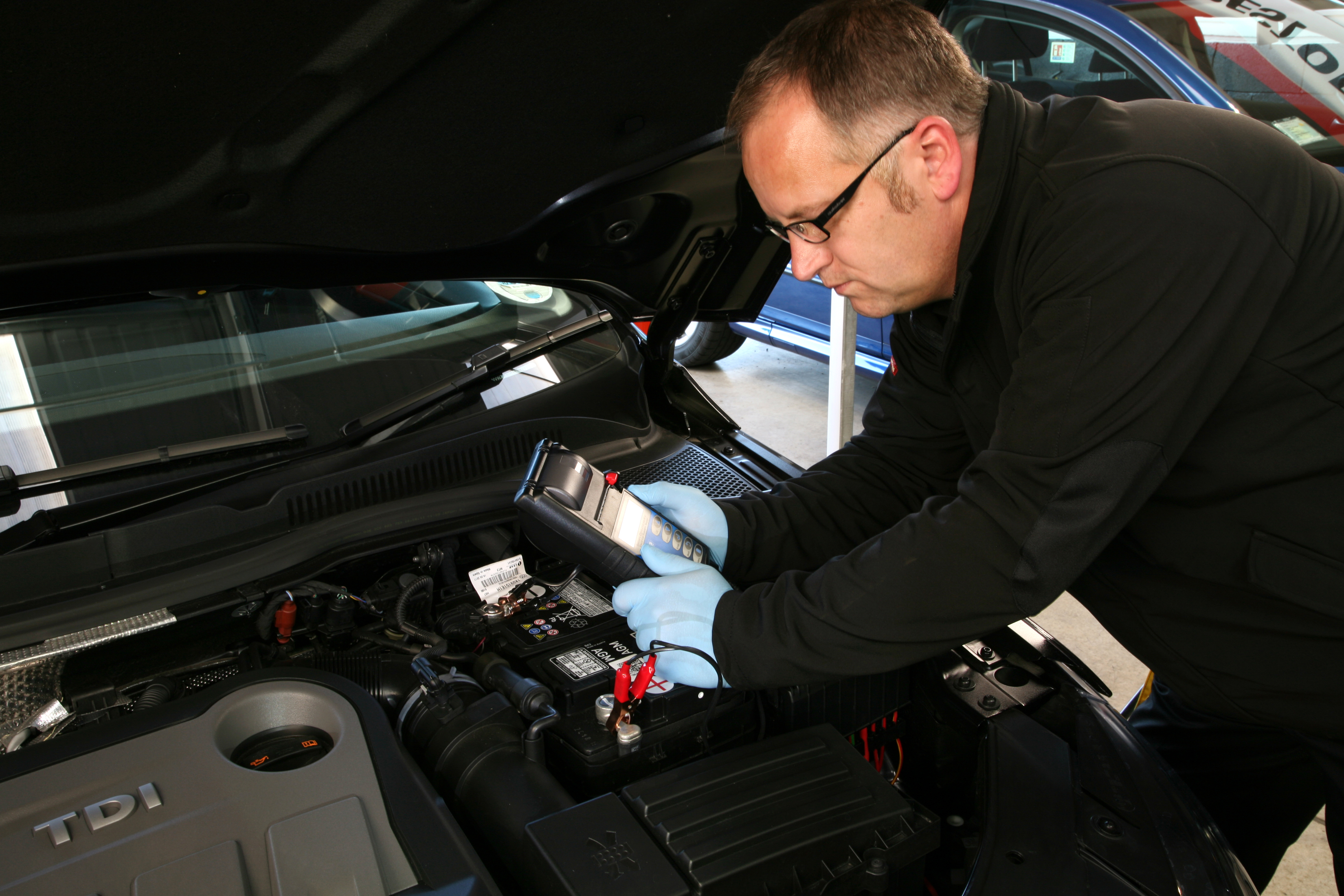
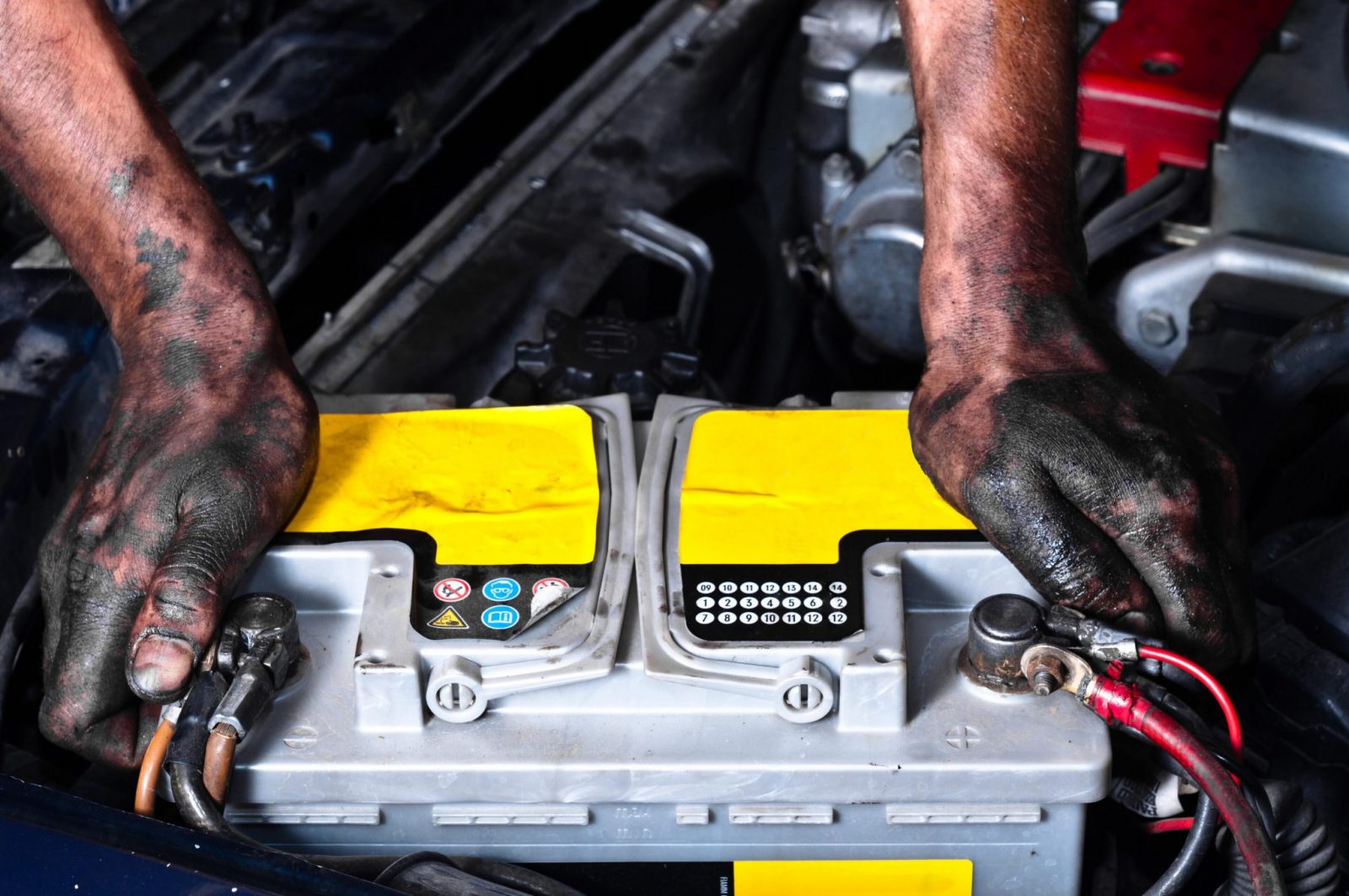
Inside that sturdy plastic case, you'll find a series of cells, each filled with two different types of metal plates – one made of pure lead (the negative plate) and the other coated in lead dioxide (the positive plate). And guess what these plates are swimming in? A special liquid concoction called an electrolyte, which is a mix of sulfuric acid and water. Sounds a bit like a mad scientist's lab, right?
Here’s the cool part: when you connect the battery to an electrical circuit (like when you turn the key), a chemical reaction kicks off between the lead plates and the sulfuric acid. This reaction causes electrons – those tiny, energetic particles that make up electricity – to build up on the negative plate. They’re basically screaming, "Let us out!"
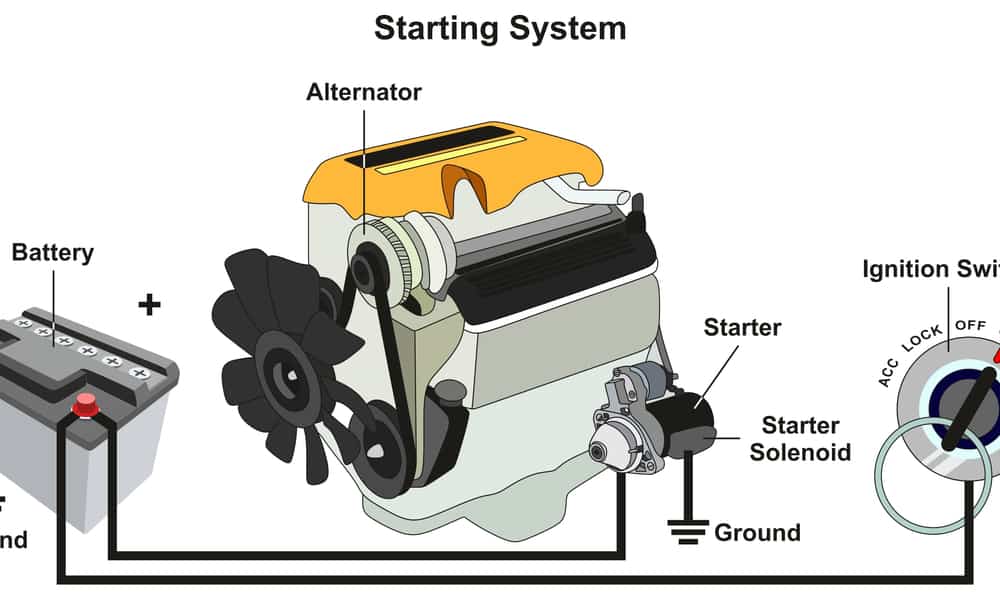
Because there's an imbalance, these electrons are super eager to flow to the positive plate. But they can’t just zoom directly through the liquid; they have to take the long way around, through your car’s electrical circuit. And voilà! As they rush from the negative terminal, through your starter motor, and back to the positive terminal, they create that surge of electricity needed to start your engine.
It’s like opening a floodgate for a river of tiny, power-generating particles!
Starting Up: The Big Push
That initial burst of power needed for the starter motor is substantial. Imagine pushing a heavy car all by yourself; that’s a lot of effort! The battery delivers a similar punch, but with electricity. It rapidly converts stored chemical energy into electrical energy, sending it directly to wake up your engine.

This whole process is surprisingly efficient and happens in a blink. It’s what makes your car feel so reliable, starting up almost every time you ask it to.
The Recharge: Giving It Back Its Juice
Now, you might be thinking, "If it uses up its chemicals to make power, won't it just run out?" Great question!
The beauty of a lead-acid car battery is that it’s rechargeable. Once your engine is running, another clever component kicks in: the alternator. This is essentially a miniature generator driven by your engine’s belt. The alternator takes mechanical energy from the engine and converts it back into electrical energy.
This electrical energy then flows back into the battery, effectively reversing the chemical reaction that happened during discharge. It puts those electrons back where they started, separating the lead compounds and replenishing the electrolyte. It’s like hitting the rewind button on a chemical movie, getting the battery ready for its next big performance.
So, while you’re driving, your battery is constantly being topped up, ensuring it's always ready for your next adventure (or just your next morning commute!).
Pretty Neat, Right?
The car battery truly is a marvel of engineering and chemistry. It's not just a boring black box; it's a dynamic system constantly performing chemical acrobatics to keep your world moving. Next time you turn that key, give a little nod to the incredible science happening just out of sight. It’s a testament to how simple yet powerful chemical reactions can be, powering our modern lives one engine start at a time!