
How Does A Battery Energy Storage System Work
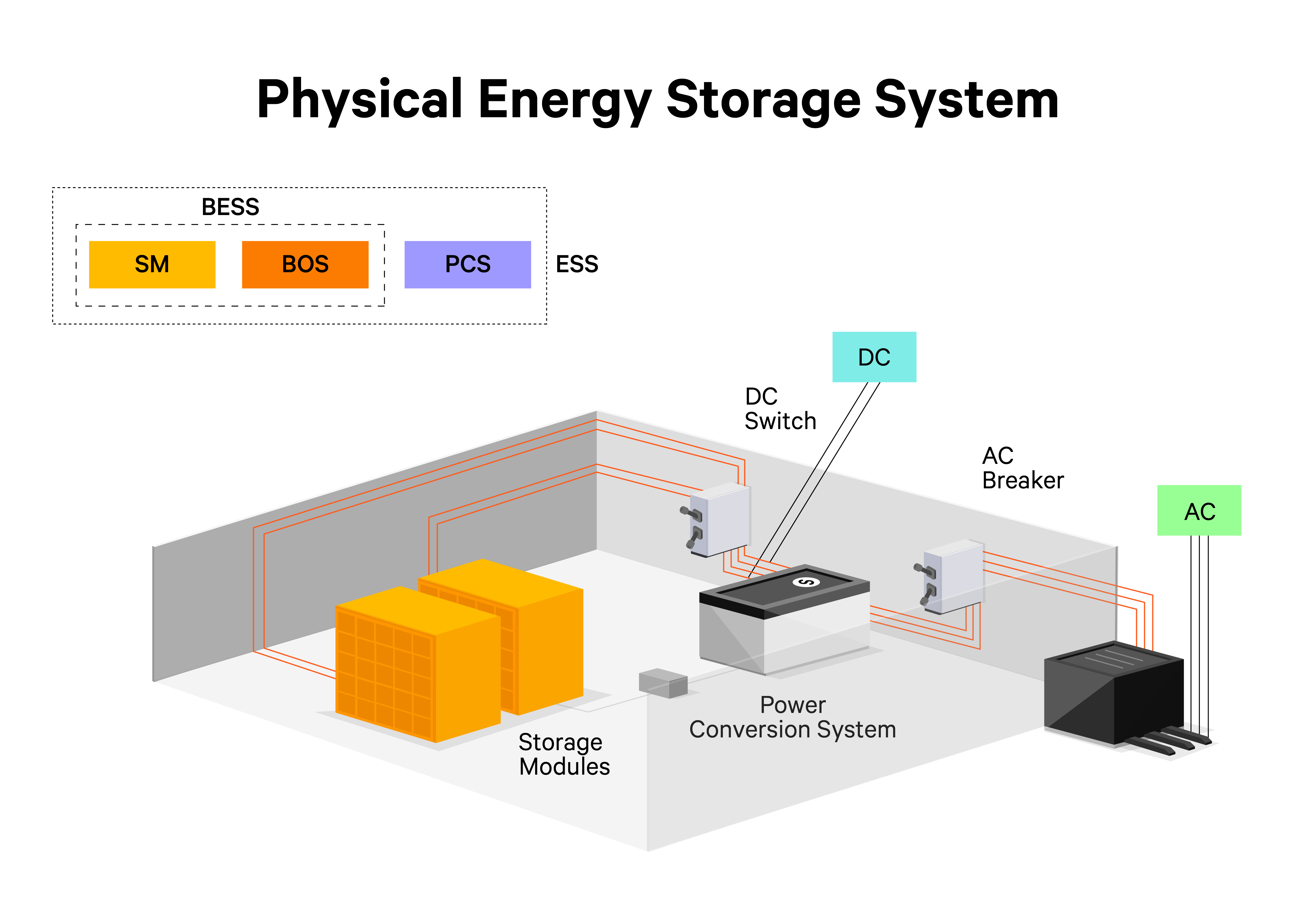
Okay, let's talk batteries. Not the AA kind you find rolling under your couch. We're talking BIG batteries. Really big batteries. Like, could-power-a-small-town big.
So, What's the Big Deal?
These aren't your grandpa's batteries. We're talking about Battery Energy Storage Systems (BESS). Sounds fancy, right? Don't let the name intimidate you. It's basically a giant rechargeable power bank. Think of it as a really, really, ridiculously large version of the power bank you use to charge your phone when you're out capturing that perfect sunset selfie.
Here's the deal: solar power is great. Wind power? Awesome. But the sun doesn't always shine, and the wind doesn't always blow. That's where BESS swoops in like a superhero (wearing a lab coat, probably).
Must Read
How Does This Magic Work?
Imagine your energy grid is a giant bathtub. Renewable energy (solar, wind) is like filling the tub with a hose. But sometimes the hose spits out a lot of water (sunny day!), and sometimes it's just a trickle (cloudy day). We need a way to smooth things out.
That's where the BESS comes in. When there's extra energy sloshing around (too much water in the tub), the BESS soaks it up like a giant sponge. Then, when there's a shortage (tub's getting empty!), the BESS squeezes out that stored energy. Voila! A steady flow of power, even when the sun's hiding behind a cloud or the wind takes a vacation.

Technically, it's a bit more complicated than a sponge. These systems use electrochemical reactions to store and release energy. Electrons are moved around, creating a flow of electricity. But let's be honest, "giant energy sponge" is way more fun to say.
Essentially, they work by converting electrical energy into chemical energy for storage, and then converting that chemical energy back into electrical energy when needed. It's like magic...science magic!
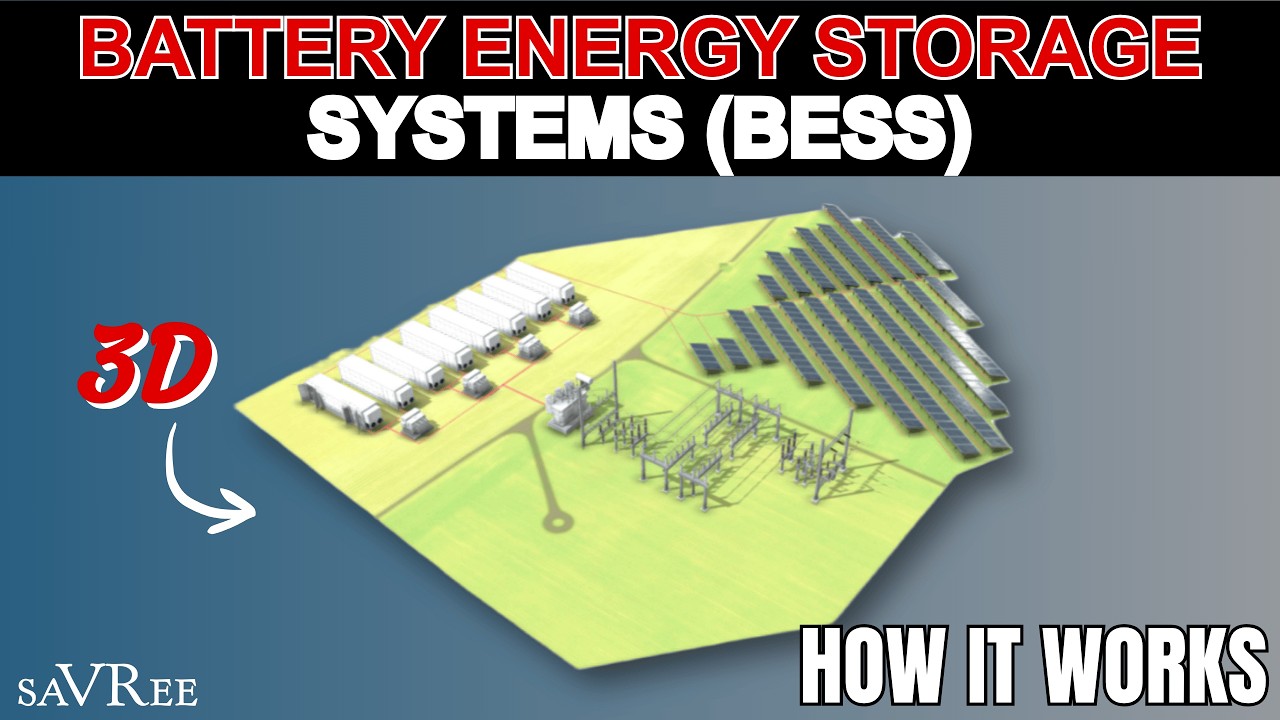
The Unsung Heroes of the Grid
BESS units are actually pretty clever. They're made up of lots of individual battery cells working together. These cells are usually lithium-ion, the same technology that powers your phone and laptop. But on a much grander scale.
These systems don’t just store energy. They also help stabilize the grid. They can respond almost instantly to changes in demand, preventing power outages and keeping everything running smoothly. Think of them as the highly caffeinated security guards of the power grid.
Plus, they're getting smarter all the time. Software and algorithms are constantly being developed to optimize their performance, making them even more efficient and reliable.
My (Probably) Unpopular Opinion
Here it comes… I think we underestimate the sheer coolness of these things. Seriously. We're talking about a technology that can help us transition to a cleaner, more sustainable energy future. And yet, they don't get nearly the hype they deserve. We're too busy arguing about which superhero is better when these real-life energy superheroes are silently saving the planet in the background.
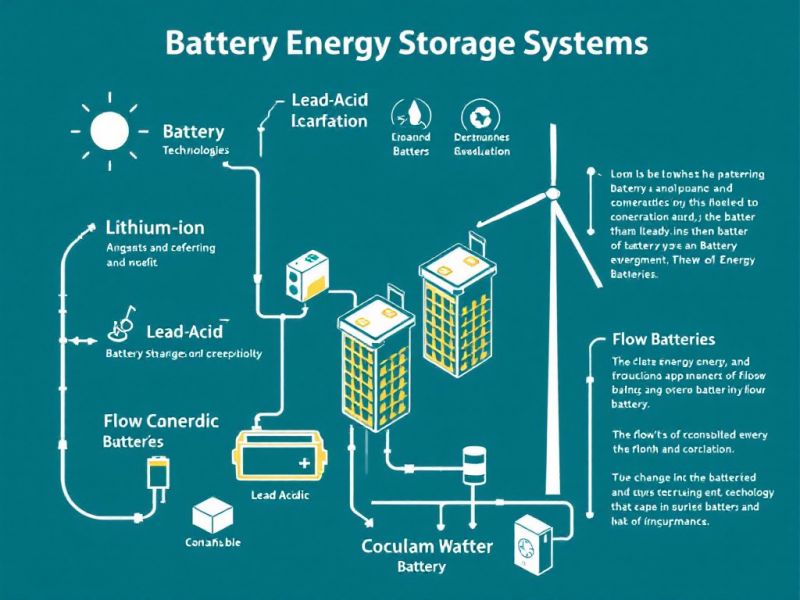
So next time you flip on a light switch, take a moment to appreciate the unsung heroes of the grid – the Battery Energy Storage Systems. They may not be as flashy as a Tesla, but they're playing a crucial role in powering our world, one electron at a time.
And let's be real, anything that helps us ditch fossil fuels is pretty darn cool in my book.
"BESS: Saving the world, one charged electron at a time." - Probably someone smart (or me, just now).
So, are you ready to embrace the battery revolution? I sure am. Let’s charge ahead!