How Does A 3 D Printer Work
Ever imagined a machine that could conjure objects right out of thin air? Like something straight out of a sci-fi movie? Well, prepare to have your mind blown, because that's essentially what a 3D printer does! It's not just a cool gadget for tech enthusiasts; 3D printing is rapidly transforming how we create, innovate, and even solve everyday problems. From printing custom toys and unique home decor to crafting medical prosthetics and crucial aerospace components, this technology is truly bringing the future into our hands. It's a world where imagination, with a little digital design, can become a tangible reality.
At its heart, the purpose of a 3D printer is simple yet profound: to turn a digital design into a physical, three-dimensional object. Gone are the days when manufacturing required complex molds or expensive machinery for every new product. With 3D printing, you can create highly customized items, prototype new inventions quickly and affordably, or even produce replacement parts on demand. This accessibility means creators, small businesses, and even hobbyists can bring their ideas to life with unprecedented ease. It's all about making manufacturing personal, flexible, and incredibly innovative.
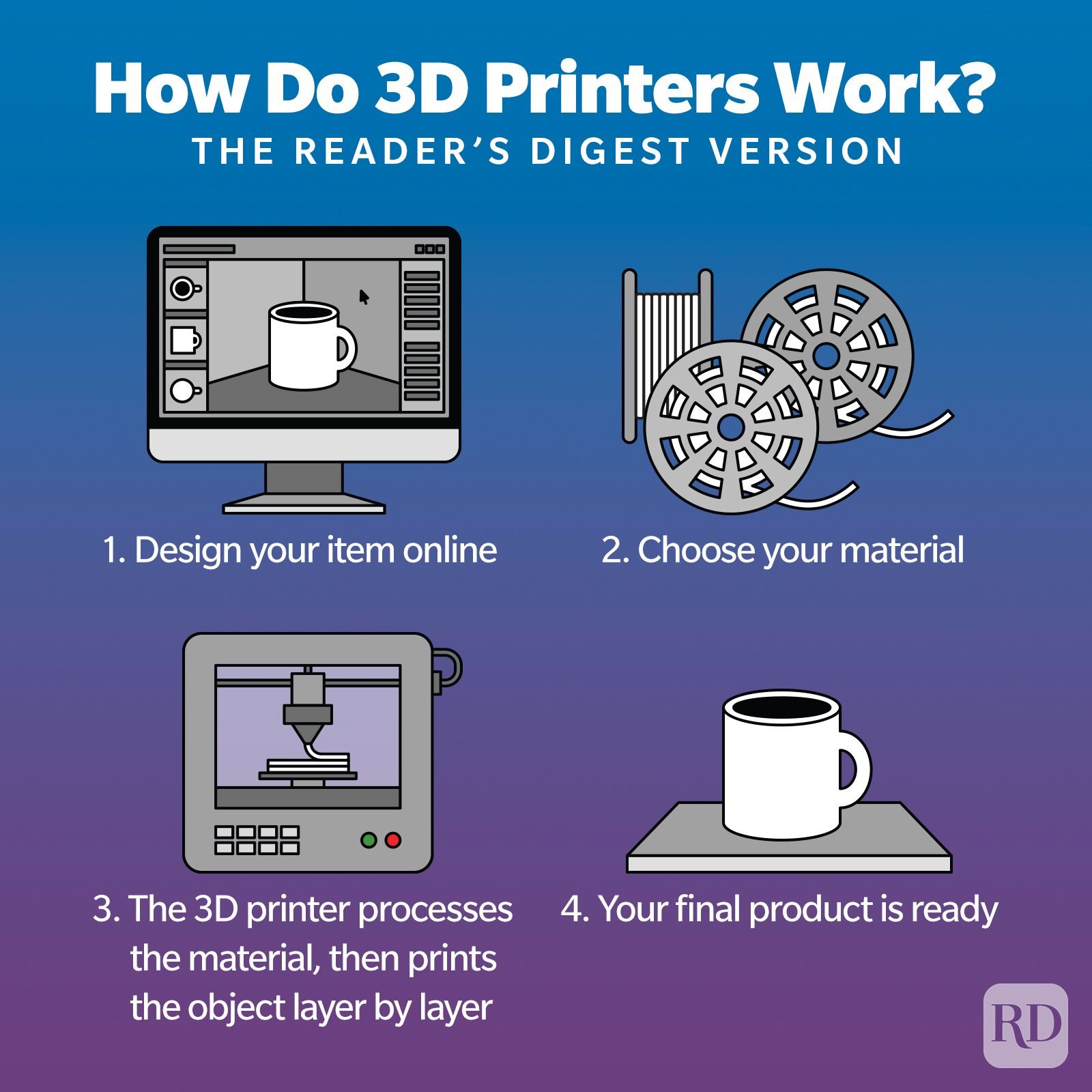
So, how does this magic actually happen? It all starts with a digital blueprint. Before anything can be printed, you need a 3D model, usually created using computer-aided design (CAD) software, or by scanning an existing object. This digital file is then sent to the 3D printer. But here's the crucial step: the printer's software "slices" this 3D model into hundreds, or even thousands, of ultra-thin horizontal layers. Imagine slicing a loaf of bread, but instead of cutting it vertically, you're making incredibly fine horizontal cuts.
Must Read
Next comes the "ink." While traditional printers use liquid ink, 3D printers use various materials, often called filament, in different forms. The most common type for home and hobbyist printers is thermoplastic, a plastic material that comes on a spool, similar to fishing line. Other printers might use liquid resins, metal powders, or even composite materials. We'll focus on the most common method, called Fused Deposition Modeling (FDM), which uses plastic filament.

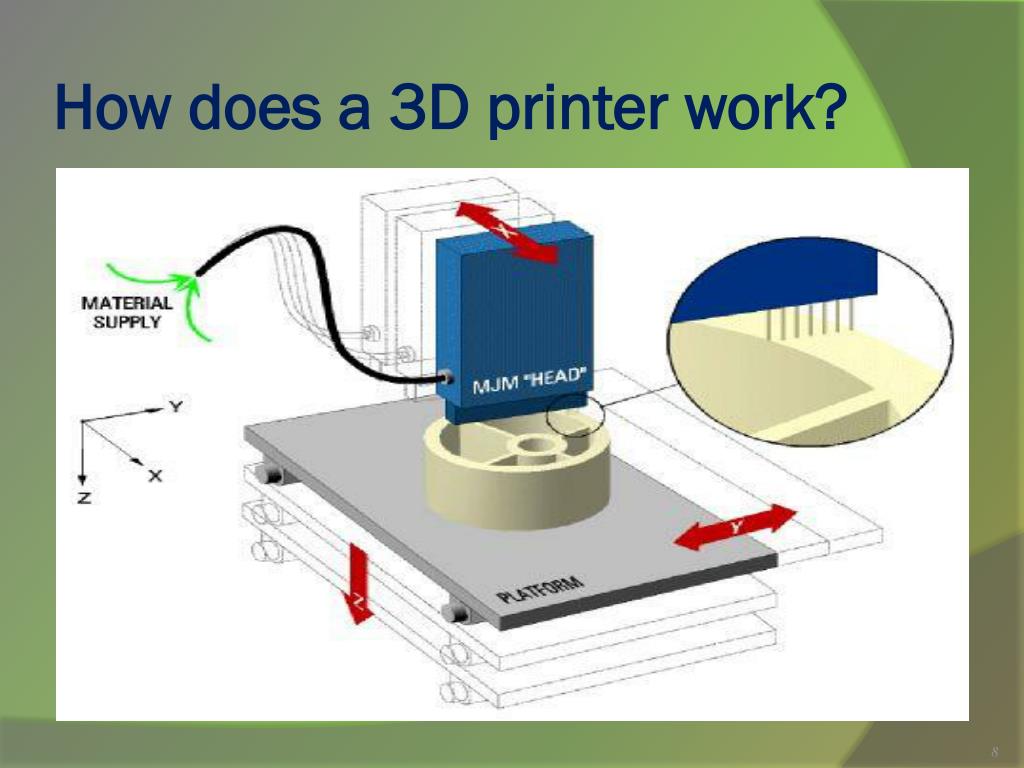
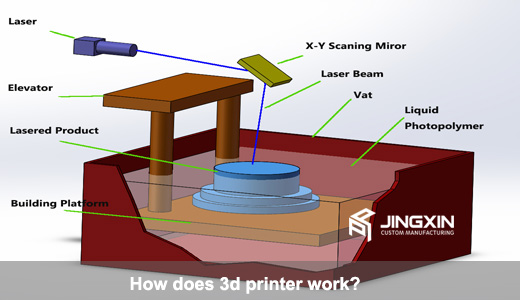
The printing process itself is fascinatingly straightforward. The 3D printer begins by heating its "extruder" – a tiny nozzle – to a specific temperature, melting the plastic filament. This molten plastic is then precisely deposited onto a flat surface called the build plate, tracing out the shape of the very first layer of your object. Once that layer is complete, the build plate either moves down slightly, or the extruder moves up, and the printer then deposits the second layer of molten plastic directly on top of the first. This process repeats, layer by meticulous layer, slowly building up the object from the ground up, much like constructing a skyscraper one floor at a time. Each layer cools and solidifies almost instantly, bonding with the layer below it.
This additive manufacturing process continues until all the sliced layers have been laid down, creating a complete, solid, three-dimensional object. Once finished, you can remove your newly printed creation from the build plate, sometimes needing a bit of light post-processing to remove any support structures that might have been printed to hold up overhanging parts. And just like that, a digital dream becomes a physical reality, all thanks to the clever, layer-by-layer magic of a 3D printer!