How Does 3d Metal Printing Work
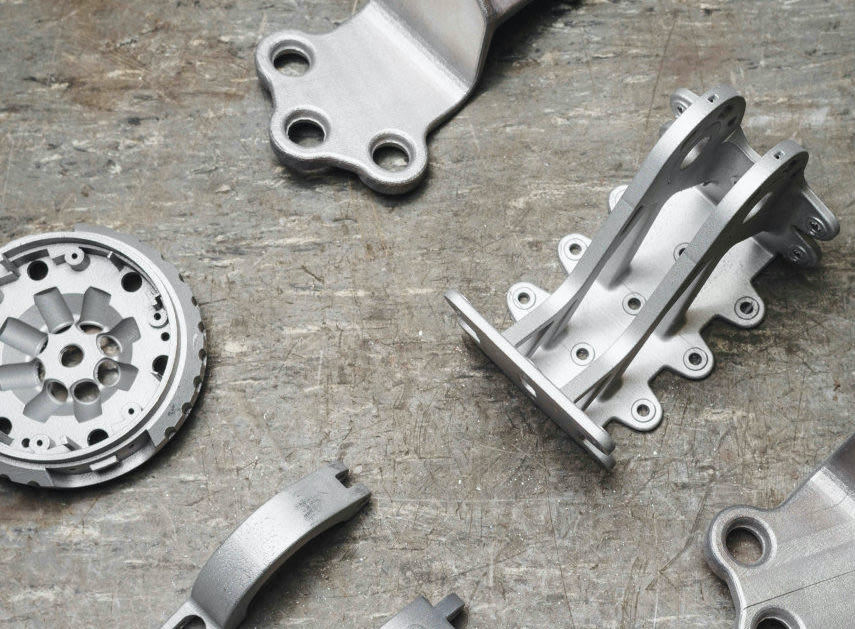
Ever dreamed of a machine that could conjure complex metal objects out of thin air, like something from a sci-fi movie? Well, get ready, because 3D metal printing is bringing that future right into our factories and labs! This isn't just about making plastic trinkets; we're talking about crafting critical components for jet engines, medical implants, and even entire rocket parts with astounding precision. It’s a revolutionary technology that’s turning traditional manufacturing on its head, offering unprecedented design freedom and pushing the boundaries of what's possible.
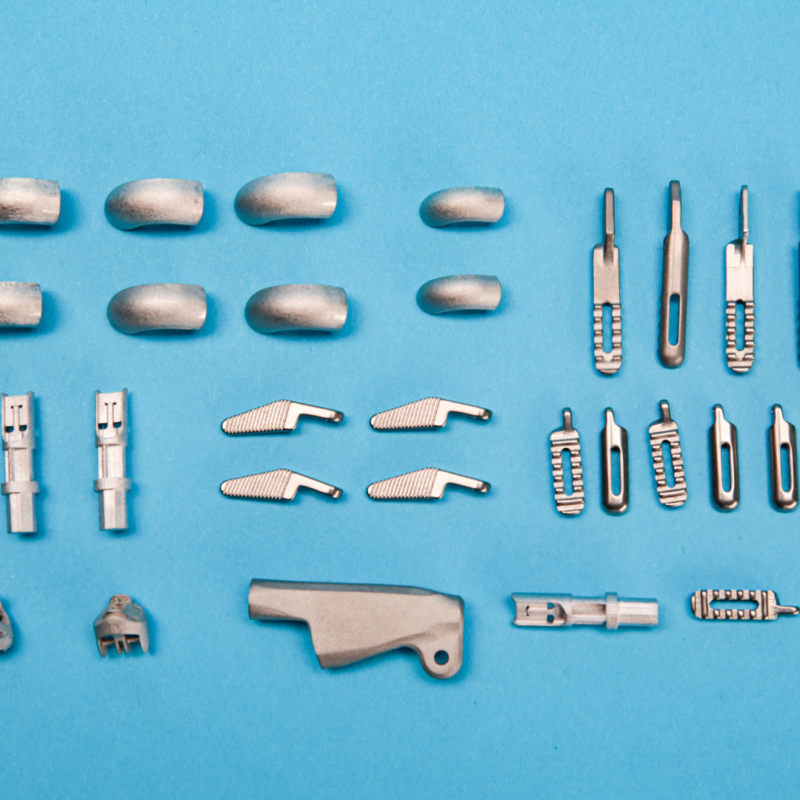
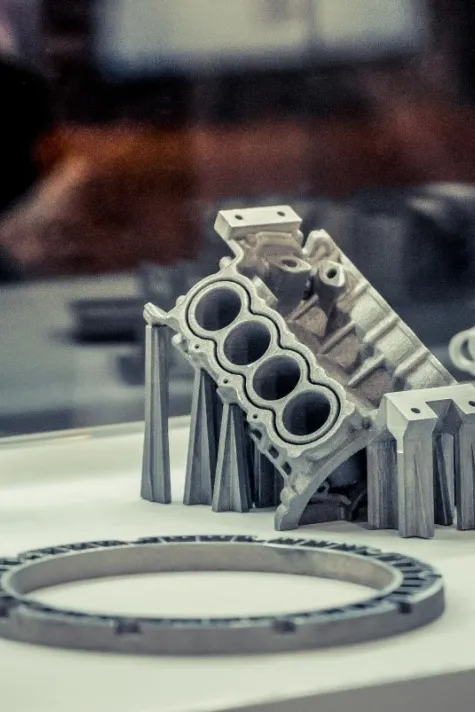
So, why is this so cool? The primary purpose of 3D metal printing is to create incredibly intricate and functional metal parts directly from a digital design, layer by painstaking layer. The benefits are immense. Imagine engineering a part that’s simultaneously stronger and significantly lighter than its traditionally manufactured counterpart – crucial for aerospace and automotive industries. It allows for the creation of geometries that are simply impossible with conventional methods like casting or machining, such as complex internal lattice structures or organic shapes that optimize performance. This also means less material waste, as you only use the metal you need. For fields like medicine, it enables the production of custom-fit implants, perfectly tailored to an individual patient's anatomy. It’s faster for prototyping and perfect for small-batch, high-value production, ushering in an era of on-demand manufacturing.
But how does this magic actually happen? While there are several techniques, let's explore one of the most common and fascinating: Powder Bed Fusion. It all starts with a digital 3D model of the part you want to create, much like a blueprint. This model is then digitally "sliced" into hundreds, even thousands, of ultra-thin layers by specialized software. Inside the 3D printer, a fine bed of metallic powder (think microscopic sand made of titanium, stainless steel, or aluminum) is spread across a build platform in a perfectly even, thin layer.
Must Read
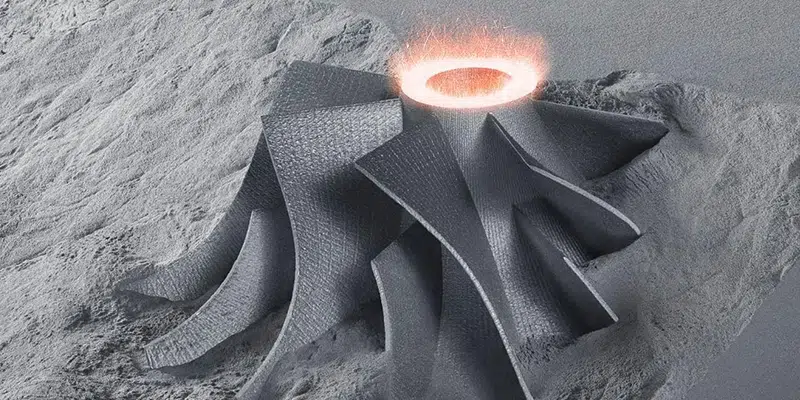
Now for the exciting part! A powerful energy source, typically a laser or an electron beam, gets to work. Guided by the digital blueprint, this beam precisely scans and selectively melts and fuses the metal powder particles together, solidifying the first layer of your object. Once that layer is complete, the build platform moves down by a tiny increment (the thickness of one slice), and a fresh layer of metal powder is spread across the top. The laser or electron beam then fuses the next slice to the one below it. This process repeats, layer upon painstaking layer, until the entire object is fully formed, encased within a block of unfused powder.
After the printing is complete, the part is carefully excavated from the surrounding powder, which can often be recycled for future prints. It then usually undergoes some post-processing steps, like heat treatment to relieve internal stresses or surface finishing to achieve the desired smoothness. And just like that, you have a solid, custom-made metal part that might have been impossible to create just a few decades ago! It's a fantastic blend of digital design and physical creation, unlocking endless possibilities for innovation across countless industries.