You might hear the phrase, "How do you write carbon dioxide?" and immediately picture a science classroom. You’d probably think of chemical formulas, textbooks, and maybe a gentle snooze. But what if I told you that this seemingly simple question opens a door to something utterly captivating, surprisingly entertaining, and deeply special?
Forget the lab coats for a moment. We're talking about a world where the very act of understanding and expressing something as fundamental as carbon dioxide becomes a canvas for human drama, connection, and even a bit of playful mischief. It’s an idea that takes a scientific concept and spins it into a story that grabs your heart and tickles your brain all at once.
Why is "How Do You Write Carbon Dioxide" So Entertaining?
First off, it’s all about the unexpected. Imagine taking something you think you know – a basic element of our atmosphere – and watching it transform into a powerful metaphor for communication, understanding, and even our deepest fears. This isn't about memorizing facts; it's about seeing familiar things through a brand-new lens. It makes you think, "Wait, I never considered that!"
Think about it: how do you truly "write" something so essential yet invisible? Do you describe its impact? Its journey through the air? Its role in our lives? When artists and storytellers tackle this, they bring out the hidden layers. They explore how language shapes our perception, how we try to grasp complex ideas, and how sometimes, the simplest things hold the biggest mysteries.
This isn't just about chemistry; it's about the chemistry between people, the elements of human connection, and the surprising ways we try to explain our world to each other.
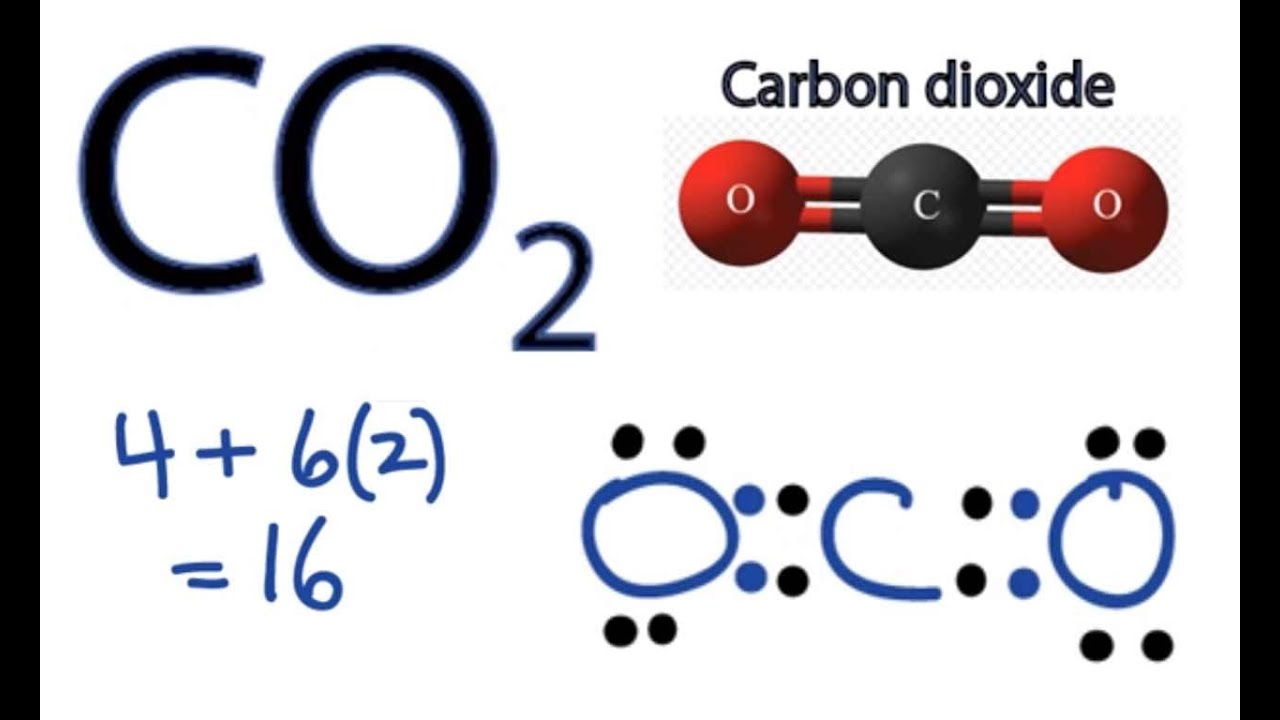
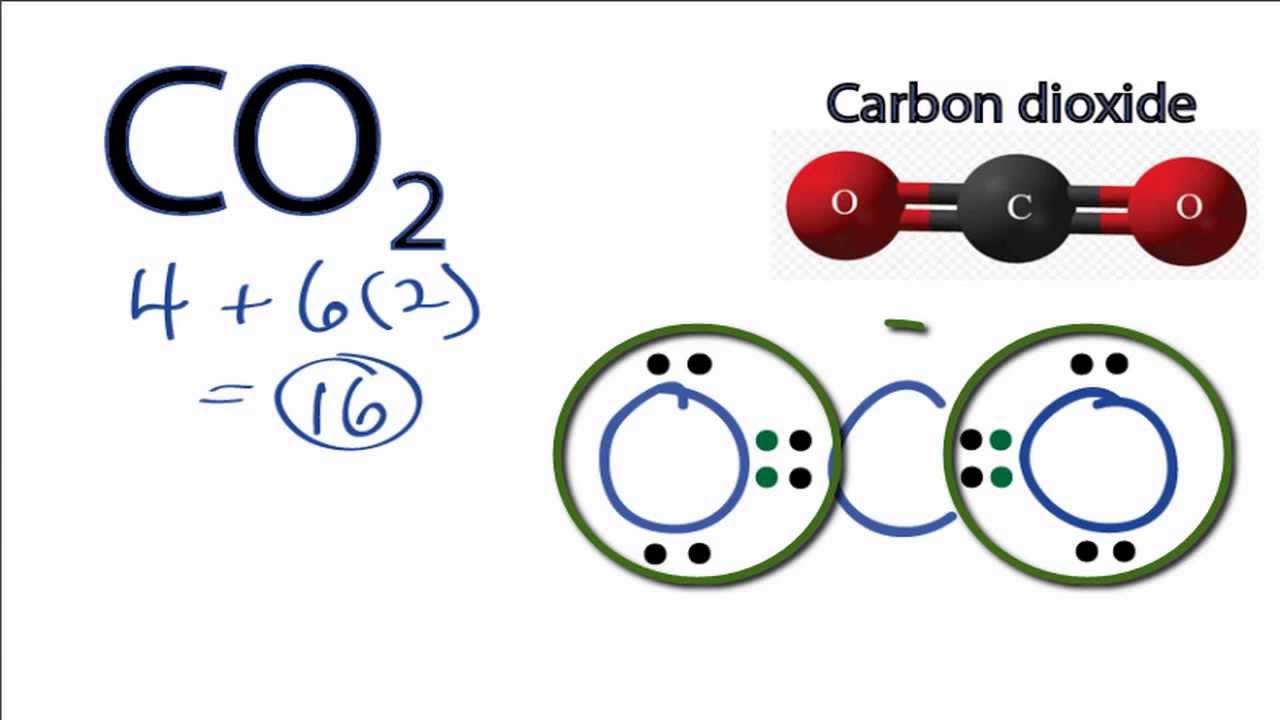
Carbon Dioxide Lewis Structure: How to Draw the Lewis Structure for
The beauty of exploring "How Do You Write Carbon Dioxide" in an artistic way, like in Naomi Wallace's brilliant play, is how it turns a cold, hard fact into a warm, relatable human experience. Characters grapple with this question, not just intellectually, but emotionally. They argue, they laugh, they struggle, and in doing so, they reveal a piece of themselves. You might find yourself giggling at a clever turn of phrase or nodding in quiet understanding as they stumble upon a profound truth.
What Makes This Idea Special?
It's special because it bridges two worlds that often seem miles apart: the logical, ordered realm of science and the messy, beautiful world of human emotion and artistry. It shows us that you don't need a microscope to appreciate the fundamental building blocks of life. Sometimes, all you need is a fresh perspective and a willingness to explore. It reminds us that science isn't just data; it's also a story waiting to be told.
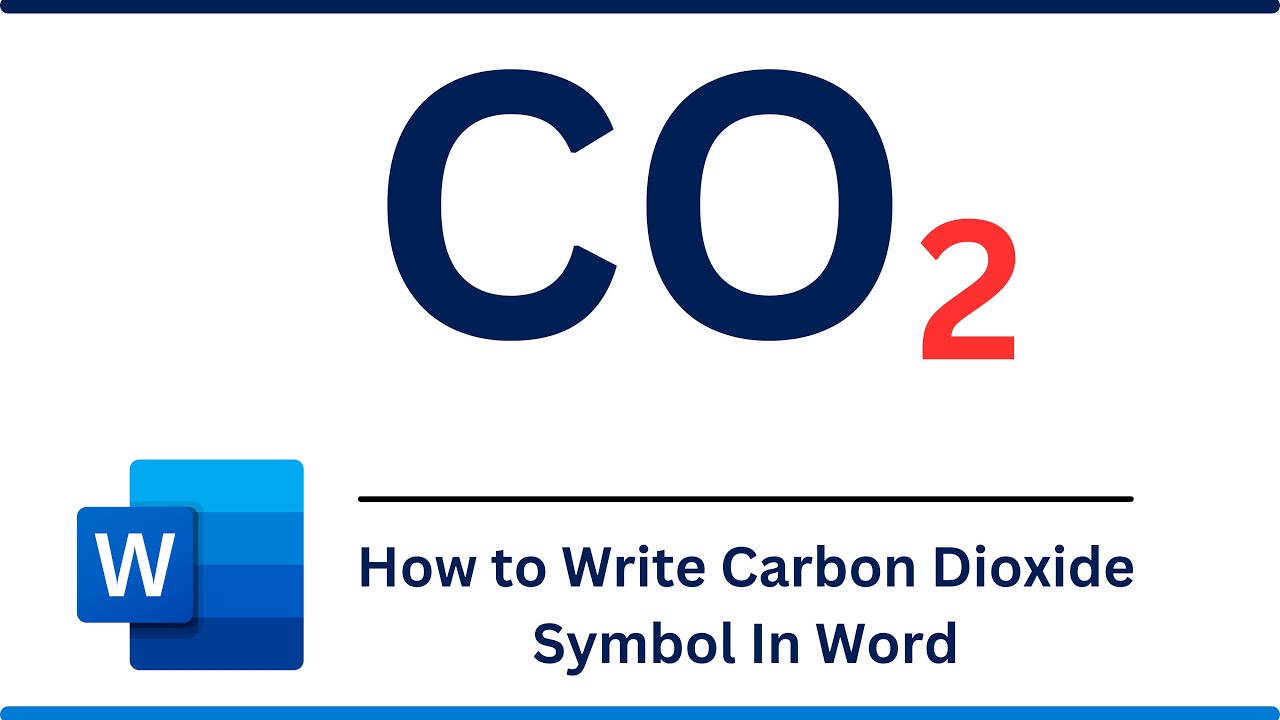
Writing the Formula for Carbon Dioxide - YouTube
Imagine a narrative where the very act of defining something like carbon dioxide becomes a quest, a journey of discovery for the characters and for you, the audience. It’s often packed with witty dialogue, clever wordplay, and situations that are both thought-provoking and surprisingly heartwarming. You’ll leave feeling like you’ve not only learned something new but also felt something deeply.
These pieces often challenge you to think about how we communicate vital information. How do we explain the big, invisible forces that shape our planet and our lives? What words do we choose? What metaphors do we use? It’s a fascinating exploration of the power of language itself.
So, the next time you hear someone ask, "How do you write carbon dioxide?" don't just think "CO2." Think bigger. Think about the human stories, the clever insights, and the delightful surprises that can come from taking a simple scientific concept and letting creative minds run wild. It's a reminder that art can make even the most scientific topic feel profoundly personal and utterly unforgettable. It truly is a unique and enriching experience that might just inspire you to look at the world – and its invisible gases – in a whole new light. Go check out how different artists tackle this intriguing question; you won't regret it!