How Do You Weld Stainless Steel
Ever wondered about the incredible journey of materials around us? From the sleek kitchen sink to intricate medical instruments, many items we rely on daily are made from a remarkable material: stainless steel. It’s shiny, resistant to rust, and incredibly durable. But how do all those separate pieces come together to form one cohesive, robust item? The answer is often a fascinating process called welding.
Welding stainless steel isn't just a high-tech industrial skill; it's a blend of science and artistry that allows us to create structures and objects both functional and beautiful. Its primary purpose is to join metal pieces by melting their edges, allowing them to fuse into a single, continuous piece. For stainless steel, this process is particularly valuable because it maintains the material's inherent benefits.
The benefits of correctly welding stainless steel are truly compelling. Firstly, it preserves the material's legendary corrosion resistance. Unlike other metals that might rust, a well-welded stainless steel seam maintains its rust resistance, ideal for applications exposed to moisture or harsh chemicals. Secondly, it creates an incredibly strong and seamless joint, often stronger than the parent material itself. This makes welded stainless steel perfect for load-bearing structures or pressure vessels. Finally, it allows for exceptional hygiene, critical for surgical tools or food processing equipment where crevices could harbor bacteria. A smooth weld eliminates such risks.
Must Read
You might encounter welded stainless steel more often than you realize. In your daily life, it's everywhere: the exhaust system on your car, the sleek railings in modern architecture, your coffee maker, or even high-end cutlery. In education or DIY, learning to weld stainless steel opens up a world of possibilities. Imagine crafting a custom grill, a unique piece of metal art, or repairing industrial equipment. Vocational schools and community colleges frequently offer courses, teaching essential skills for aspiring fabricators, artists, and engineers.
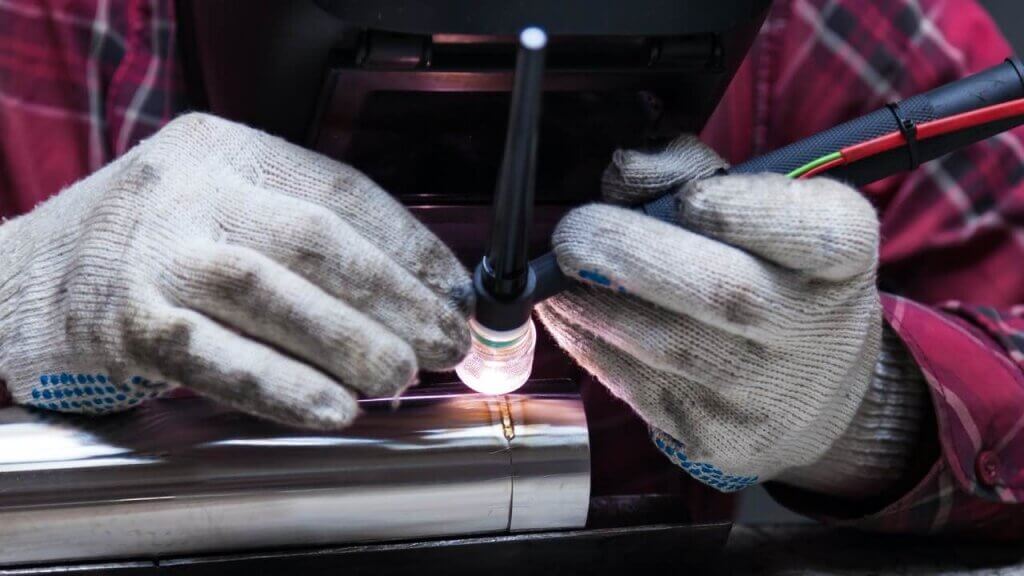
If you're curious to explore this craft further, here are some simple tips. Firstly, safety is paramount. Welding involves intense heat and bright light, so never attempt it without proper safety gear and professional guidance. A great starting point is to dive into online resources – YouTube hosts countless tutorials, and forums are excellent for asking questions. Look up "TIG welding stainless steel" (TIG is often preferred for its precision and clean welds on stainless) or "MIG welding stainless steel" for other common methods. Secondly, consider visiting a local fabrication shop or signing up for an introductory welding course at a community college. Getting some hands-on experience under an instructor's eye is invaluable. You'll understand the intricate dance of heat, filler metal, and shielding gas, learning not just techniques, but also about different stainless steel grades and welding process choices. It’s a skill that combines precision, patience, and a bit of daring, revealing the hidden connections that hold our modern world together.