How Do You Weld Galvanized Steel
Ever peered into a workshop and watched sparks fly, mesmerized by the magic of welding? It’s a craft that turns raw metal into something strong and functional. While joining two pieces of plain steel might seem straightforward, things get a little more interesting when you introduce a common material called galvanized steel. You see it everywhere, from fences to guardrails, and understanding how we weld it offers a fascinating peek into the world of materials science and safety.
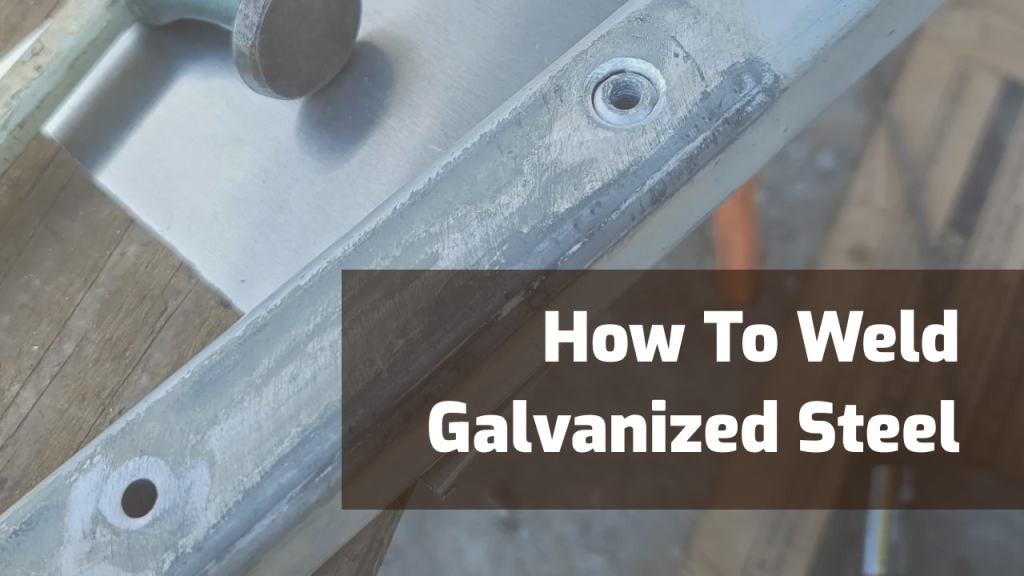
So, what exactly is galvanized steel? It's regular steel that's been coated with a layer of zinc, usually through a process called hot-dip galvanizing. This zinc coating acts like a superhero shield, providing incredible corrosion resistance, preventing rust and extending the lifespan of the steel significantly. That's a huge benefit, especially for things exposed to the elements! However, when you introduce the intense heat of welding, that zinc coating poses a unique challenge. The zinc vaporizes at a much lower temperature than steel, creating fumes that are not only unpleasant but can be harmful if not managed properly. The purpose of welding galvanized steel, despite this challenge, is to join these highly durable pieces while trying to maintain as much of their protective qualities as possible, ensuring the finished product remains robust and long-lasting.
You might not realize how much galvanized steel you interact with daily. Think about the sturdy frames of playground equipment, the robust support beams in some outdoor structures, or even parts of your car's chassis designed to resist rust. In an educational setting, aspiring fabricators and engineers learn the nuances of working with this material, understanding how to manage its properties to create safe and durable products. From large-scale industrial projects like bridge components to the humble backyard gate, galvanized steel is a silent workhorse, and the ability to weld it effectively is a critical skill in countless trades.
Must Read
Curious about how it's done? If you're thinking of trying your hand at it, the most important tip is this: ventilation is non-negotiable! Because of the zinc fumes, welding galvanized steel absolutely requires excellent airflow, and often a specialized respirator, to ensure safety. Professionals might grind off the zinc coating in the weld area before welding to minimize fumes, then reapply a zinc-rich paint afterward to restore some protection. Other techniques involve using lower heat settings or specific welding processes like MIG or TIG, coupled with a faster travel speed, to minimize the amount of zinc vaporized. For a simple way to explore it, watch some videos of experienced welders tackling galvanized steel; you’ll notice their meticulous safety precautions and specialized equipment. It's a fantastic illustration of how a little extra knowledge can turn a potential hazard into a manageable task, allowing us to harness the incredible benefits of this versatile material.