How Do You Use Nuclear Energy
Okay, picture this: You’re a kid, maybe five or six, and it’s a stormy night. The kind where the wind howls like a hungry wolf, and the rain smashes against the windows. Suddenly, BAM! The lights go out. Everything plunges into pitch-black darkness. Your TV dies, the fridge hums its last, sad tune, and the house goes eerily silent, save for the storm outside. For a few terrifying minutes (or maybe just seconds, but it feels like forever when you’re little), you realize just how much you rely on that invisible force we call electricity. That feeling of vulnerability, of being cut off from the modern world, sticks with you.
Fast forward to now. We’re so used to flipping a switch and getting instant light, charging our phones without a second thought, and binge-watching our favorite shows until the sun comes up. We rarely stop to think about where all that power actually comes from. But what if I told you that a significant chunk of it, the kind that keeps our world humming along reliably and cleanly, often comes from something that many people find... well, a little scary? Yeah, I’m talking about nuclear energy.
You probably heard "nuclear" and immediately thought of mushroom clouds, Homer Simpson at the power plant, or maybe even those old sci-fi movies where everything glows green. And honestly, I get it. The word itself has a heavy history, largely thanks to its weaponized past. But here’s the thing, my friend: there’s a whole other side to this atomic coin, a side that’s far less dramatic and a lot more about keeping your coffee warm and your Wi-Fi running. Let’s dive into how we actually use this incredible (and often misunderstood) source of power.
Must Read
Powering Your Life: Electricity Generation
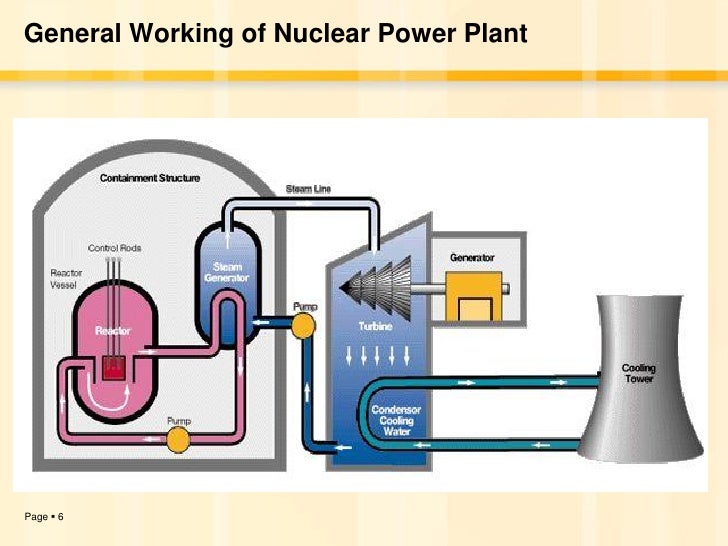
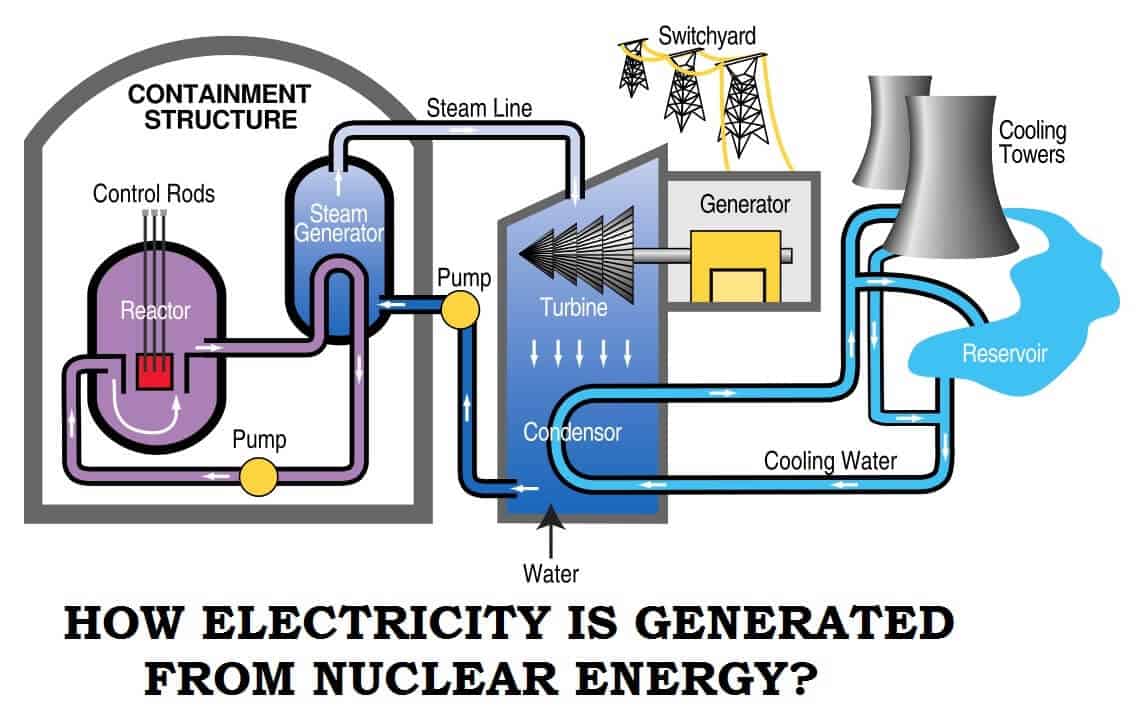
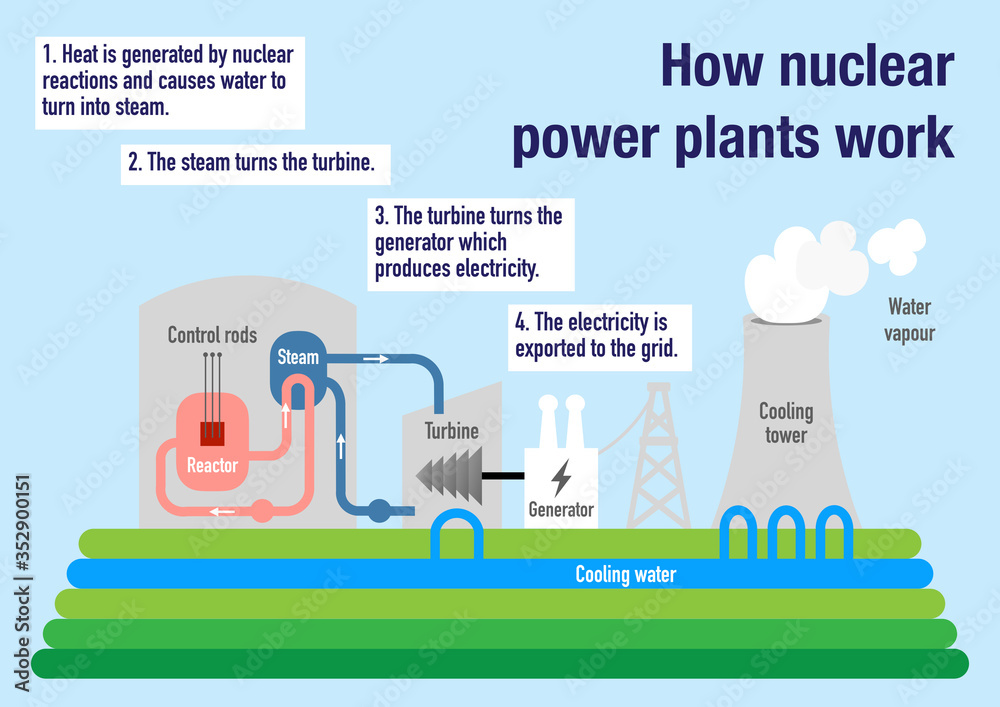
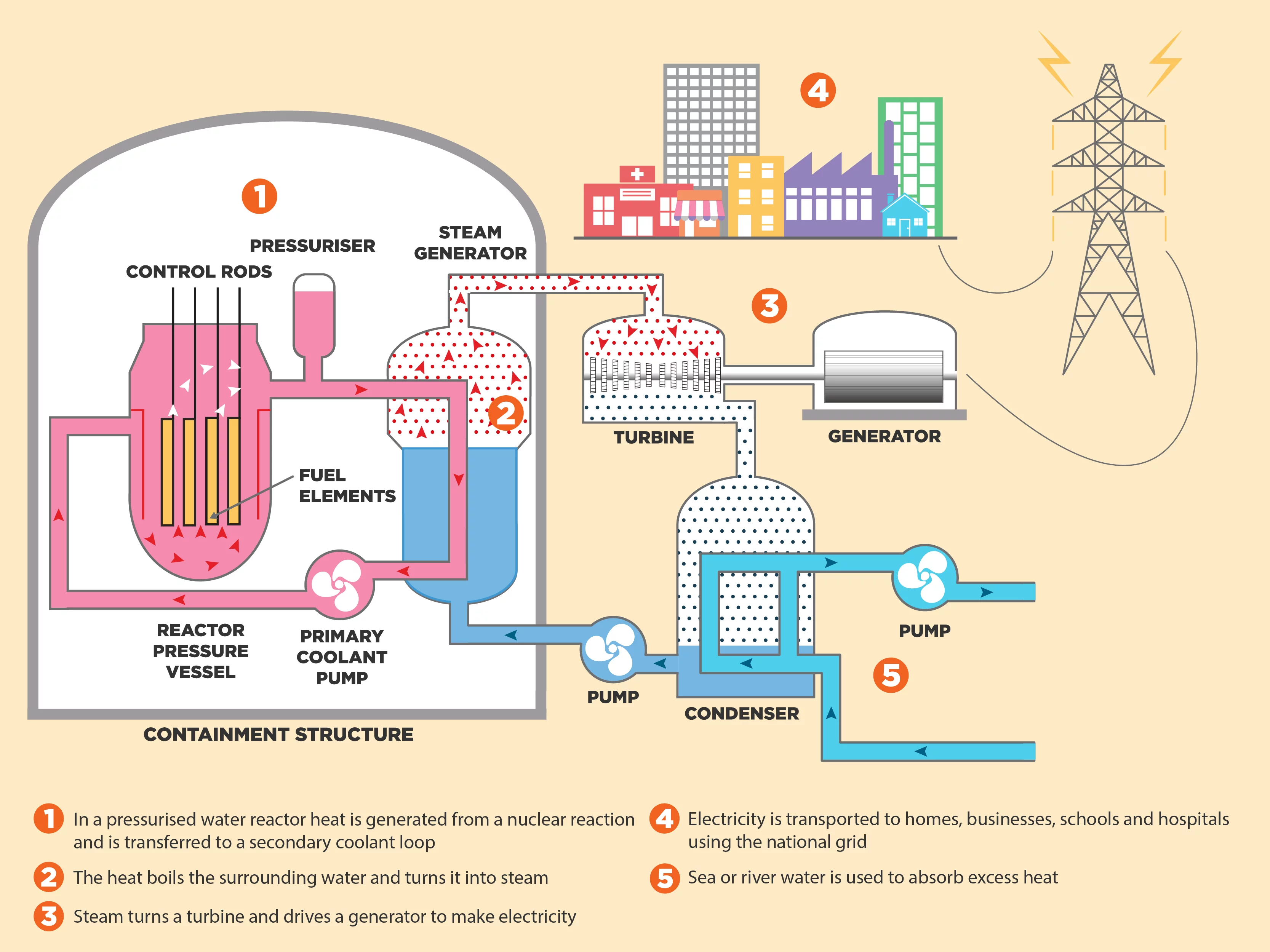
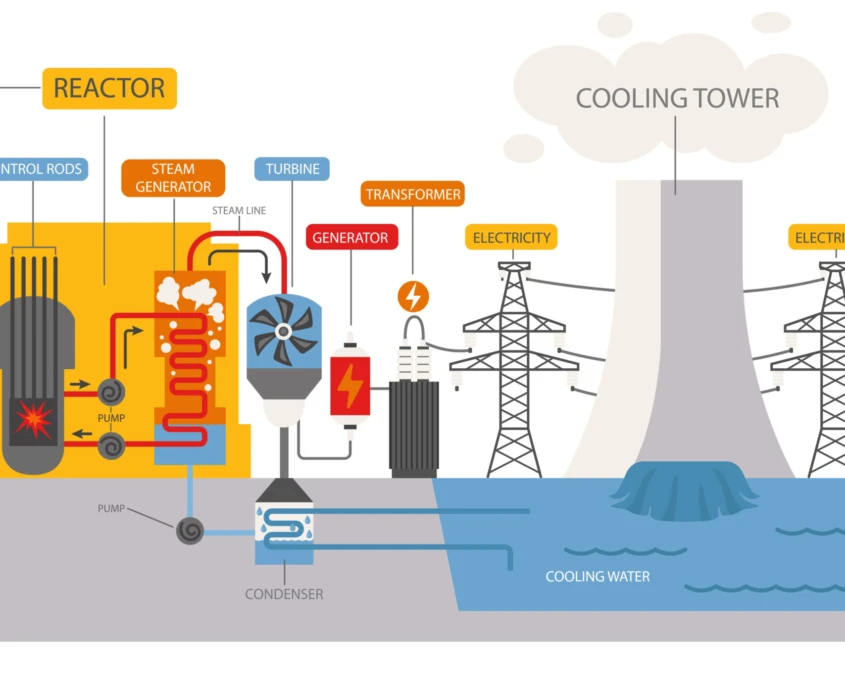
This is probably the big one, the main event. Most of the nuclear energy used globally is for generating electricity. How does it work, you ask? In a nutshell, we harness the power of nuclear fission. Imagine splitting a really tiny atom – typically uranium – into two smaller atoms. When you do that, it releases a surprisingly huge amount of energy in the form of heat. This isn’t a violent explosion in a reactor; it’s a controlled, continuous chain reaction.
That heat then boils water, creating steam. And what do we do with steam? We use it to spin massive turbines, which are connected to generators. These generators then, you guessed it, produce electricity! It’s actually quite similar to how coal or natural gas plants work, but with one critical difference: no burning of fossil fuels. That means no greenhouse gases like carbon dioxide getting pumped into our atmosphere during operation. Pretty neat, right? It’s a carbon-free power source that can run 24/7, providing what we call "baseload power" – the steady, always-on energy that keeps grids stable, unlike intermittent sources like solar and wind.
So, that Netflix marathon you pulled last night? Or the perfectly chilled milk in your fridge? There’s a good chance some of that energy silently originated from the controlled dance of subatomic particles. It’s the invisible workhorse behind the scenes, often powering our lives without us even realizing it.
Beyond the Grid: Nuclear's Lesser-Known Roles
But wait, there’s more! Nuclear energy isn’t just about lighting up our homes and powering our devices. It plays a surprisingly wide range of roles in other critical areas:
Medical Marvels: Saving Lives
Think about modern medicine. Nuclear technology is a total rockstar here. We use radioactive isotopes for everything from diagnosing diseases (think PET scans, MRI preparation, and X-rays) to treating cancer. Radiation therapy precisely targets and destroys cancerous cells. Also, medical instruments are often sterilized using nuclear radiation, ensuring they’re perfectly safe for patients. So, if you've ever had a scan or a serious medical procedure, there's a good chance nuclear science played a part in your health.
Industrial Applications: Making the World Work
Nuclear energy helps industry in ways you might not expect. It's used for sterilizing consumer products (like certain food items to extend shelf life, and even cosmetics). It's also vital for non-destructive testing, like checking the integrity of welds in pipelines or aircraft components without damaging them. Furthermore, it helps with smoke detectors (yes, those little beepers use a tiny bit of radioactive material!) and even tracking oil and gas flows.
Space Exploration: Reaching for the Stars
Remember those epic images from the Voyager probes exploring the outer reaches of our solar system, or the Perseverance rover rumbling around Mars? Guess what powers them? Often, it’s not solar panels (too far from the sun!). They use something called Radioisotope Thermoelectric Generators (RTGs), which convert the heat from decaying radioactive materials directly into electricity. Without nuclear power, many of our most ambitious space missions simply wouldn't be possible. Talk about an "atomic punch" to explore the universe!
So, while the word "nuclear" might conjure up images of power and peril, it’s really a broad term encompassing a technology that, in its peaceful applications, is incredibly diverse and essential to our modern world. It’s clean, reliable, and frankly, a bit of a quiet hero, constantly working behind the scenes to keep us safe, healthy, and connected. Perhaps it's time we started looking at it not with fear, but with a bit more understanding and appreciation for its incredible power.