How Do You Use A Crappie Jig

Alright, so you wanna talk crappie jigs, huh? Pull up a chair, grab a coffee (or a cold one, no judgment here!). Because let me tell you, these little things? They're pure magic for catching those speckled beauties. Seriously, if you're not using them, you're missing out on some serious fun, and probably a darn good fish fry!
First off, what even is a crappie jig? Basically, it’s a small lead head with a hook, usually dressed up with some sort of soft plastic body, feathers, or tinsel. Think tiny, flashy, and irresistible. And guess what? You don't need a fancy boat or a thousand-dollar rod setup. Nope! We're talking simple here. Think about it – a tiny hook, a bit of lead, and some plastic that looks like it could have come from a toy store. Yet, crappie go absolutely bonkers for 'em.
The Bare Essentials (Keep it Simple, Silly!)
Before we even get to the fun part, let's talk gear. You don't need much. A light to ultralight spinning rod – like a 6 to 7-foot one – is perfect. Why ultralight? Because crappie bites can be super subtle, sometimes just feeling like a little "tick" or added weight. That sensitive rod lets you feel everything. Pair that with a small spinning reel spooled with 4-6 pound test monofilament or fluorocarbon. Braided line works too, but with a lighter leader. The key is light tackle. Trust me on this one; it makes a huge difference in sensitivity and enjoyment.
Must Read
Rigging Up Your Little Lure Buddy
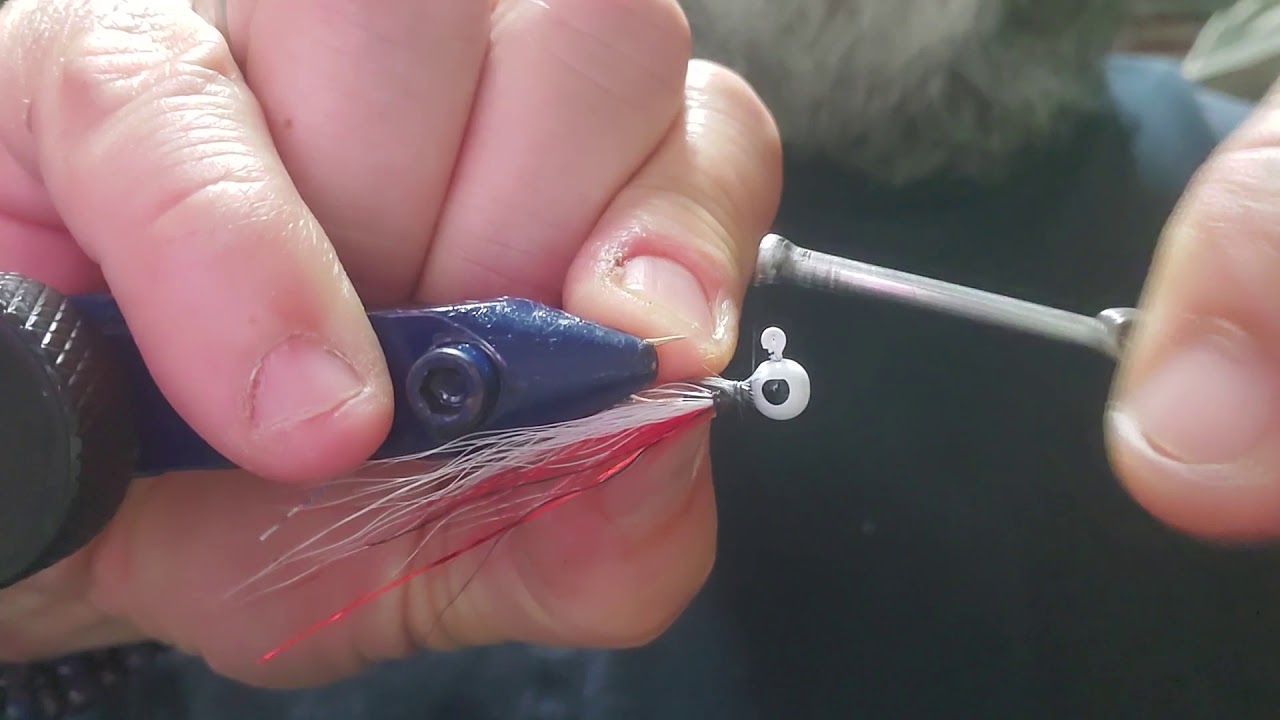
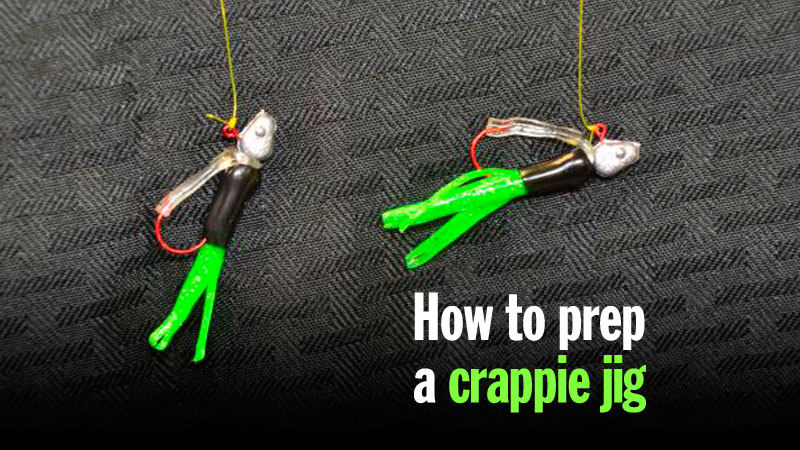
Okay, so first things first: rigging it up. This ain't rocket science, promise. You grab your jig head – usually a 1/16th or 1/32nd ounce is my go-to, but sometimes I go heavier or lighter depending on the day, water depth, and current, you know? Then, you slide on your soft plastic body. Think tiny tubes, little grubs, maybe a minnow imitation, or even those crazy looking spider-like things. The hook point should come out nice and straight, not bunched up, ready to snag a lip. Make sure it's centered so your jig swims naturally. Presentation matters, even for these tiny guys!
Where Do You Find These Crappie Hiding?
Crappie are homebodies, usually hanging out around some sort of structure or cover. Think about it: fallen trees, brush piles, dock pilings, bridge supports, lily pad edges, even submerged roadbeds. They love places where they can ambush baitfish or hide from bigger predators. So, if you're casting aimlessly into open water, you might be having a scenic day, but probably not a catching one. Scan for those shady spots, those underwater hideouts. That's where the party's at!
The Main Event: How to Fish 'Em!
The Cast-and-Retrieve Shimmy
This is probably the most common way. You cast it out near some cover – maybe a fallen tree, a dock, some lily pads. Let it sink a bit. Crappie often hit on the fall, so pay attention! Then, a super slow retrieve. Give it little twitches with your rod tip. Imagine that jig dancing, darting like a tiny baitfish. Sometimes, they hit it on the fall, sometimes on the retrieve. You just gotta be patient and attentive. Experiment with retrieve speeds. Some days they want it fast, some days they want it so slow it barely moves. It's like they're trying to mess with you!
The Vertical Jigging Bounce
If you're over a brush pile you marked on your fancy (or not-so-fancy) fish finder, or just know a good spot, you can just vertical jig it. Drop it straight down to the depth where you think the fish are. Bounce it a few inches, hold it still for a few seconds. Bounce, hold. Repeat. It's like a tiny underwater puppet show, and crappie are the audience, just waiting for their cue! This is especially effective in deeper water or when fish are really stacked up.
The Bobber Bliss (My Personal Favorite!)
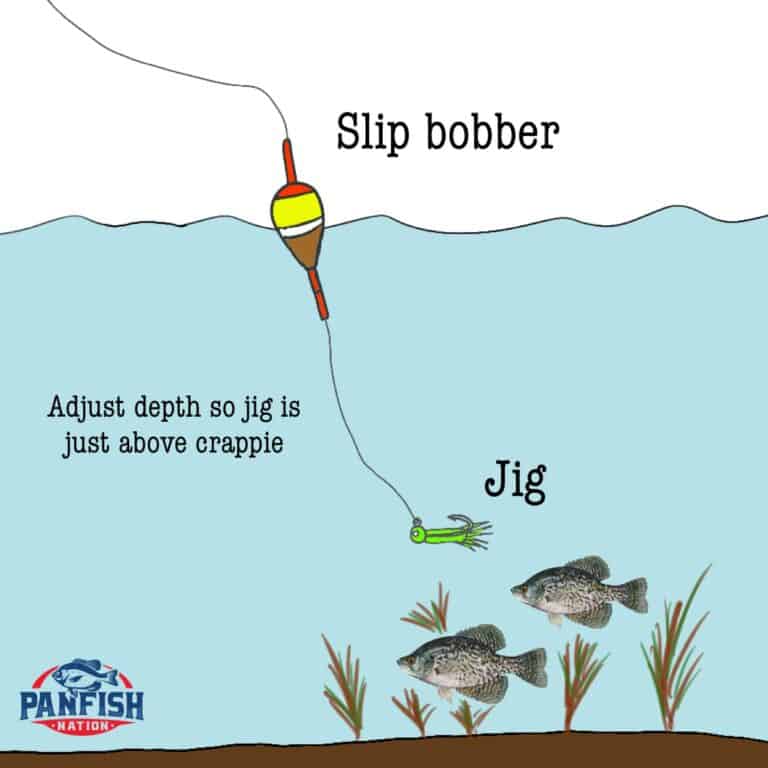
And my personal favorite, especially when you're just chillin': under a bobber. Yep, a good old-fashioned float! It’s ridiculously simple. Set your depth a foot or two above where you think the fish are. Cast it out, and just watch that bobber. When it dips, disappears, or even just lays on its side a bit funny, you set the hook! It's so ridiculously simple, it feels like cheating. Plus, watching a bobber slowly disappear is just chef's kiss satisfying. Great for introducing kids to fishing too!
Pro-ish Tips for Catching More Crappie
- Color Matters (Sometimes!): On bright sunny days, natural colors like clear, smoke, or light greens can be great. Overcast days or murky water? Go for brighter colors like chartreuse, pink, or orange. Sometimes it doesn't matter, but it's always fun to experiment, right?
- Size It Up (Or Down): Most of the time, 1/16th or 1/32nd ounce jigs are perfect. But if the bite is tough, try dropping down to a 1/64th. Or if the fish are aggressively feeding on bigger bait, don't be afraid to go up to 1/8th.
- Slow Down, Seriously: This is probably the biggest mistake beginners make. They reel too fast. Crappie are usually not chasing down a meal at top speed. They want an easy target. So, slow that retrieve way down. Like, almost painfully slow.
- Feel for the "Tick": Crappie bites can be super light. Sometimes it's not a hard pull, just a tiny "tick," or your line might just go slack when it shouldn't. Be a ninja with that rod tip.
So there you have it, my friend. Crappie jigs are a fantastic, versatile, and incredibly fun way to catch one of freshwater's tastiest fish. They're not complicated, they don't break the bank, and they just plain work. Now, what are you waiting for? Go grab some jigs, find a good spot, and get out there! Those crappie aren't going to catch themselves, after all. Maybe I'll see you out on the water!