
How Do You Tune Up A Furnace

Okay, so picture this: It’s the dead of winter, the kind where your breath actually freezes in the air when you step outside. You’re snuggled on the couch, watching a terrible reality show (no judgment, we all do it!), and suddenly, you hear it. Not the dramatic sigh of your dog, but a… thump-whirr-clank-silence coming from the basement. Your heart sinks faster than a lead balloon. Because you know, deep in your soul, that means the furnace has just staged its dramatic exit from the scene.
Been there, right? That moment of dread when you realize your cozy haven is about to become an igloo. Well, what if I told you that many of those dramatic furnace performances could be entirely avoided, or at least postponed, with a little preventative TLC? Because, much like your car or your beloved smartphone, your furnace isn't just a magical box; it needs a little love.
Why Bother with a Furnace Tune-Up Anyway?
You might be thinking, "It works, doesn't it?" And sure, it probably does for now. But that's like saying your car runs perfectly even though the 'check engine' light has been on for months. A tune-up isn't just about fixing things when they break; it's about making sure they don't break in the first place.
Must Read
Think of it as an annual check-up for your home's most important comfort appliance. It helps ensure it’s running at peak efficiency, which means lower energy bills for you (cha-ching!), extends its lifespan, and most importantly, keeps your household safe. Seriously, safety is a biggie here. A well-maintained furnace is a safe furnace.
So, What Exactly Happens During a Furnace Tune-Up?
Let's peel back the layers of this mechanical marvel, shall we?

1. The Mighty Air Filter
This is probably the easiest and most overlooked part, my friend. Your furnace filter is like the lungs of your HVAC system. When it’s clogged with dust, pet hair, and all sorts of microscopic nasties, your furnace has to work much, much harder to pull air through. This isn’t just inefficient; it can actually damage the motor over time. Seriously, change your filter regularly! You'll thank me later. It's usually a simple slide-out, slide-in job.
2. Ignition and Flame Sensor Check
For furnaces with an electronic ignition, we're talking about making sure the igniter is clean and working properly. If you have an older furnace with a pilot light, it's about ensuring it stays lit and the flame sensor is doing its job. A dirty flame sensor is a common culprit for those annoying "furnace tries to start, then stops" issues. It's basically the furnace saying, "Hey, I don't see a flame, so I'm shutting down for safety!"

3. Burner Inspection and Cleaning
The burners are where the magic happens – where the gas mixes with air and ignites, creating the heat. Over time, these can get dirty or corroded, leading to inefficient burning or even uneven heating. A technician will clean them and ensure the flames are burning correctly, usually a nice blue color. If they're yellow or orange, that's a red flag, my friend, and points to a potential combustion issue.
4. Heat Exchanger Examination
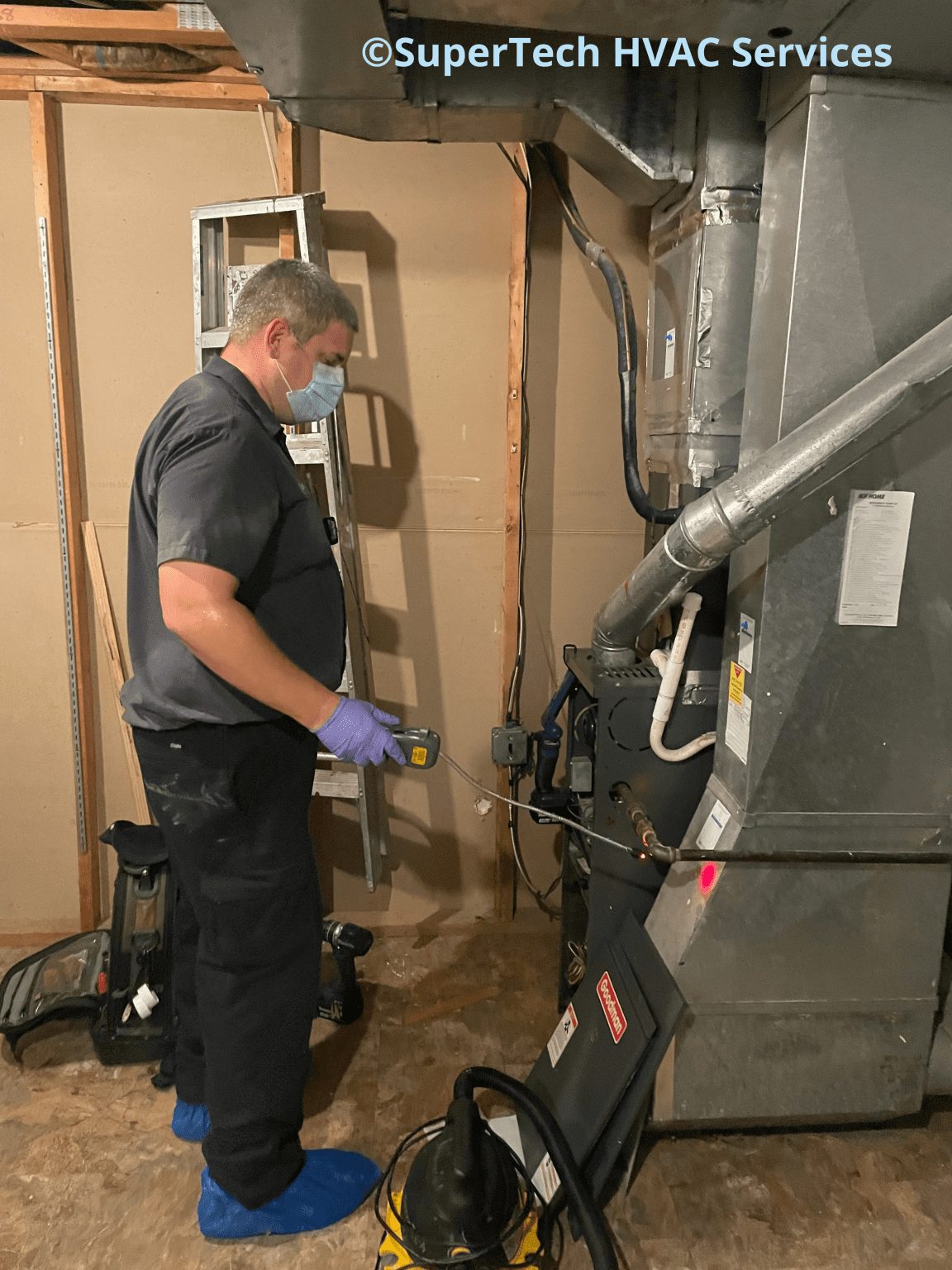
This is arguably the most critical safety check. The heat exchanger is what separates the combustion gases from the air that gets circulated into your home. If it cracks, dangerous carbon monoxide (CO) can leak into your living space. A technician will visually inspect it for any signs of cracks or corrosion. This is not something you want to mess around with, and if a pro finds an issue here, listen to them!
5. Blower Motor & Fan Check
The blower motor is what pushes the warm air through your ducts and into your rooms. The technician will check for proper operation, lubricate moving parts if necessary (some newer models are sealed and don't require this), and ensure the fan blades are clean. Dust buildup on the blades can throw off the balance and make the motor work harder, causing premature wear and tear.
6. Thermostat Calibration
Is your thermostat actually telling the truth about the temperature? Sometimes they can drift out of calibration. A tune-up often includes checking that your thermostat is accurately reading the temperature and communicating correctly with the furnace.

7. Gas Pressure and Electrical Connections
Okay, this is where you might want to step back and let the pros handle it. Technicians will check the gas pressure to ensure it's within the manufacturer's specifications, and they'll inspect all electrical connections for wear, corrosion, or loose wires. Loose connections can be a fire hazard, so it's a big deal!
DIY vs. Pro: What Can You Really Do?
As you can see, some tasks are super simple and perfect for a motivated homeowner (like changing that filter!). Others, especially those involving gas lines, electrical components, or inspecting the heat exchanger, are best left to a qualified HVAC technician. Seriously, don't play hero with these parts; safety is paramount.
So, instead of waiting for your furnace to serenade you with its dying groans, consider giving it a proper tune-up before the cold weather really sets in. It’s a small investment that pays off big time in comfort, safety, and your bank account. Go on, give your furnace some love – it'll return the favor with warm, cozy peace of mind!