
How Do You Thaw Out Frozen Pipes

You know that feeling, right? That crisp, bone-chilling morning after a particularly nasty cold snap has swept through town. You stumble out of bed, still half-asleep, dreaming of that first glorious cup of coffee. You wander into the kitchen, turn the faucet… and… nothing. Just a pathetic gurgle, or worse, absolute silence. Your brain, still foggy, slowly processes the horror: frozen pipes.
Yeah, I’ve been there. My first house, a charming but drafty old dame, decided to play a cruel trick on me one January morning. I swear I heard the pipes snickering. Panic set in. My mind raced through every disaster movie I’d ever seen, picturing burst pipes, flooded basements, and a bank account emptied faster than a kid’s piggy bank at a candy store. But before you succumb to the urge to sell your house and move somewhere eternally tropical (tempting, I know!), let’s take a deep breath. Thawing frozen pipes is usually doable, even if it feels like you're performing emergency surgery on your home.
First Things First: Don't Panic, But Do Get Prepared!
Before you grab any tool that looks remotely warm, we need a quick safety brief. This isn't just about getting your water back; it's about doing it without causing a bigger disaster. Trust me, a burst pipe is way worse than a frozen one.
Must Read
- Turn Off the Main Water Supply: Seriously, do this. If the pipe has already burst (and you might not know it until it thaws), turning off the water will save you from a catastrophic flood. Find your main shut-off valve and give it a twist. You'll thank me later if things go south.
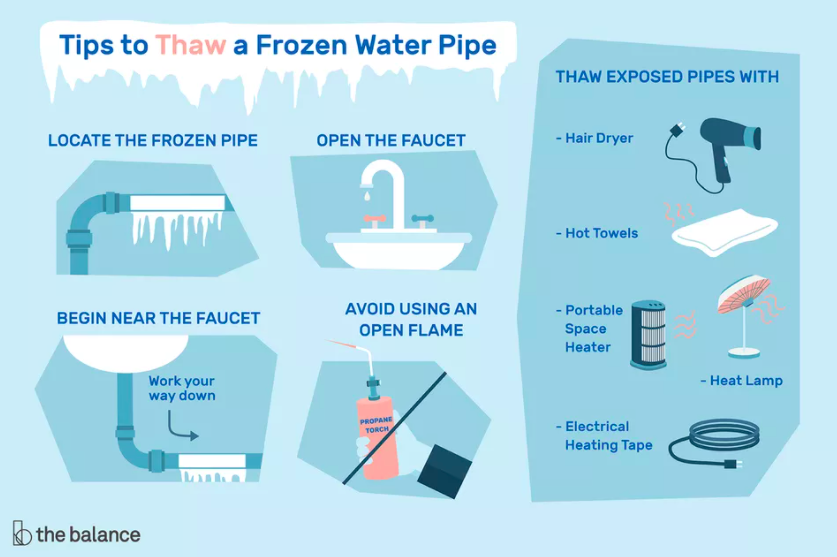
- Open Faucets: Go to the faucet served by the frozen pipe (and any others nearby, just in case) and open both the hot and cold taps. This allows pressure to escape as the ice melts and gives the melting water somewhere to go.
- Locate the Culprit: This is often the trickiest part. Frozen pipes are usually in unheated areas: basements, crawl spaces, exterior walls, under sinks, or where pipes run along outside walls. Look for visible frost, a bulge in the pipe (a bad sign!), or just try touching pipes to feel for cold spots.
What NOT To Do (Unless You Enjoy Chaos)
Let's get the absolute no-nos out of the way. Because, while desperation can lead to creative problem-solving, it can also lead to calling a very expensive plumber.
DO NOT:

- Use a Blowtorch or Open Flame: Seriously, resist the urge. This is how house fires start, or how you unevenly heat the pipe, causing it to explode. Your house is not a crème brûlée.
- Pour Boiling Water Directly on the Pipe: The sudden temperature change can cause the pipe to crack or burst, especially if it’s an old or weakened pipe. Imagine plunging a hot glass into cold water – same principle.
- Use Any Appliance That Could Electrocute You: Water and electricity are a truly terrible combination. Be mindful of extension cords and wet surfaces.
The Safe & Sane Methods for Thawing Those Stubborn Pipes
Okay, now for the heroics. These are the tools and techniques that will actually get your water flowing again without turning your home into a scene from a disaster movie.
The Humble Hair Dryer (Your Best Friend)
This is my personal go-to for easily accessible frozen pipes. Grab your trusty hair dryer (the kind you use for your hair, not a heat gun just yet!), set it to high, and slowly move it back and forth along the frozen section. Keep it moving to ensure even heating. This is a gentle, effective method that poses minimal risk. It might take a while, especially for a stubborn freeze, so grab a podcast or some good tunes.
The Mighty Heat Gun (Use with Caution!)
If you have a heat gun (often used for stripping paint), you can use it, but be extremely careful. These get much hotter than a hair dryer. Keep it on a low setting and maintain a good distance from the pipe, constantly moving it. This is definitely for the more experienced DIYer, as overheating plastic pipes can cause them to melt, and metal pipes can expand too quickly.
Warm Towels or Rags (Slow and Steady Wins the Race)
For a truly low-tech, super-safe approach, soak some towels in hot water (not boiling!) and wrap them around the frozen pipe. Replace them frequently as they cool. This is slower, yes, but it’s a great option if the pipe is in a sensitive area or if you’re just not comfortable with direct heat.
Portable Space Heater (For Larger Areas)
If the frozen section is in an unheated room or crawl space, placing a portable space heater nearby can slowly raise the ambient temperature and thaw the pipe. Ensure it's a safe distance from anything flammable, and never leave it unattended for long periods. Just warming up the general area can do wonders.
Turn Up the Thermostat
Sometimes, the freeze is in a wall or an area that's just generally too cold. Cranking up your home's thermostat can help raise the temperature throughout the house, including those hidden pipe locations. It might take a few hours, but it’s an effortless solution if you’re not in an immediate rush.
Electric Heating Tape/Cables (For the Prepared!)
If you're a super-planner (or you've dealt with this before), you might have electric heating tape designed for pipes. You wrap this around the pipe and plug it in. It provides consistent, gentle heat. This is more of a preventative measure, but if you have it, now's the time to use it!
The Payoff: Water Flowing Again!
As you're applying heat, listen carefully. You might start to hear gurgling sounds, which means the ice is melting and water is beginning to move. Keep those faucets open! Once water starts flowing freely from the tap, you've done it! Let the water run for a few minutes to ensure all ice is cleared and to relieve any lingering pressure.

After the thaw, carefully inspect the pipe for any signs of damage or leaks. Look for drips, cracks, or bulges. If you see anything suspicious, keep the main water shut off and call a plumber immediately. Better safe than sorry, right?
Preventing Future Frosty Surprises
Once you’ve thawed your pipes, you definitely don’t want to do it again next winter (or even next week!). Here are a few quick tips:
- Insulate Pipes: Especially those in unheated areas. Foam pipe insulation is cheap and effective.
- Seal Air Leaks: Caulk cracks and holes in your walls and foundations, especially where pipes enter the house.
- Drip Faucets: During extreme cold snaps, letting a few faucets slowly drip can keep water moving and prevent freezing.
- Open Cabinet Doors: For pipes under sinks on exterior walls, open the cabinet doors to let warmer room air circulate.
Thawing frozen pipes might feel like a mini-crisis, but with a bit of patience and the right approach, you can usually get things back to normal. And who knows, maybe you’ll even learn a thing or two about your home’s plumbing system in the process. Go on, get that water flowing!