
How Do You Reverse A Ceiling Fan
You know that feeling, right? It’s the dead of winter, the heating is blasting, and you’re still wrapped in a blanket, shivering slightly, looking up at your ceiling fan just… spinning. Or maybe it’s the peak of summer, sweat trickling, and that fan is whirling away, but it feels like it’s just rearranging the hot air, not actually cooling anything. Been there, done that, questioned my life choices regarding home appliances.
For the longest time, I just assumed my ceiling fan was a one-trick pony. It spins, it moves air, end of story. Boy, was I wrong! It turns out, that silent, often overlooked appliance above our heads is a bit of a chameleon, capable of adapting to the seasons. And the secret? It can reverse.
Wait, It Spins Two Ways?!
Yep, you heard me. Your ceiling fan isn't just about creating a breeze. It's about optimizing air circulation in your room, making your HVAC system work smarter, not harder. This isn't just some fancy parlor trick; it's a genuine energy-saving hack that can make your home feel significantly more comfortable all year round.
Must Read
Think about it: In the summer, you want that direct breeze to hit you, making you feel cooler through evaporative cooling. That's called a downdraft. But in the winter? You actually want to push the warm air that naturally rises (because heat rises, remember your basic physics!) back down and around the room without creating a chilling draft. That's where an updraft comes in. It’s like magic, but, you know, science.
Okay, So How Do I Actually Do It?
Reversing your ceiling fan sounds like something you'd need an electrician for, but I promise you, it's usually incredibly simple. You just need to know where to look and, more importantly, practice a little bit of common sense safety. Seriously, this isn't the time to be a cowboy.
Step 1: Safety First, Always!
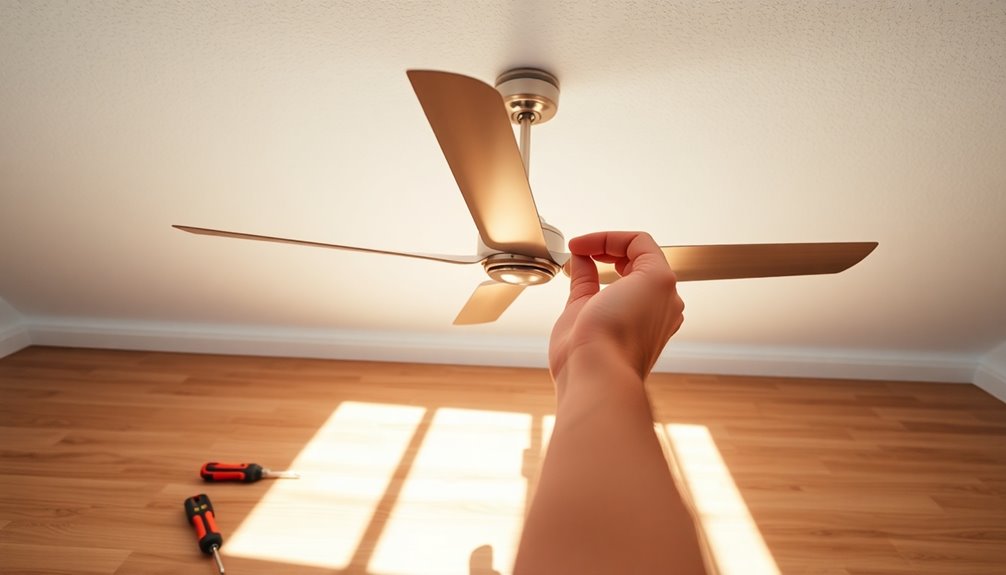
This is non-negotiable. Before you even think about touching your fan, you need to turn off the power. Head to your wall switch and flip it off. If you're extra cautious (and I encourage you to be!), you can even flip the circuit breaker for that room. We’re dealing with electricity and spinning blades here, folks. Don’t risk it!
Step 2: Find the Magic Switch

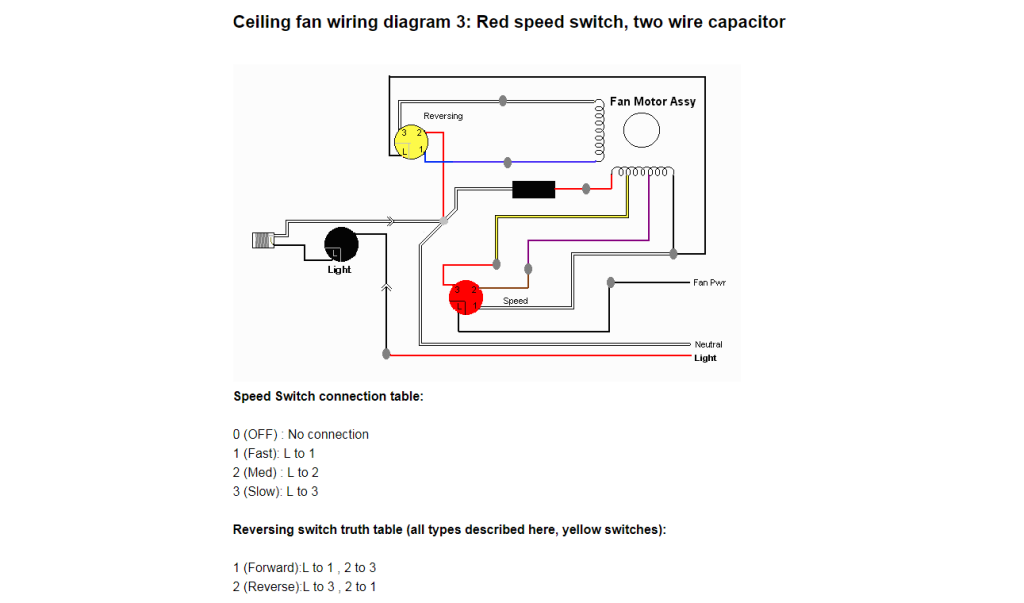
Once the power is definitively off, grab a step stool if needed and get up close and personal with your fan's motor housing (that's the main body where the blades attach). Look for a small, usually discreet, toggle switch. It's often tiny, almost hidden, and sometimes requires a keen eye. It might be labeled "F/R" for forward/reverse, or it might just be a little lever.
Step 3: Flip the Switch
Carefully push or slide that little switch to the opposite position. It might offer a satisfying click, or it might just quietly slide. That's it! You've successfully reversed the internal mechanism. Give yourself a pat on the back.
Step 4: Power Up and Observe
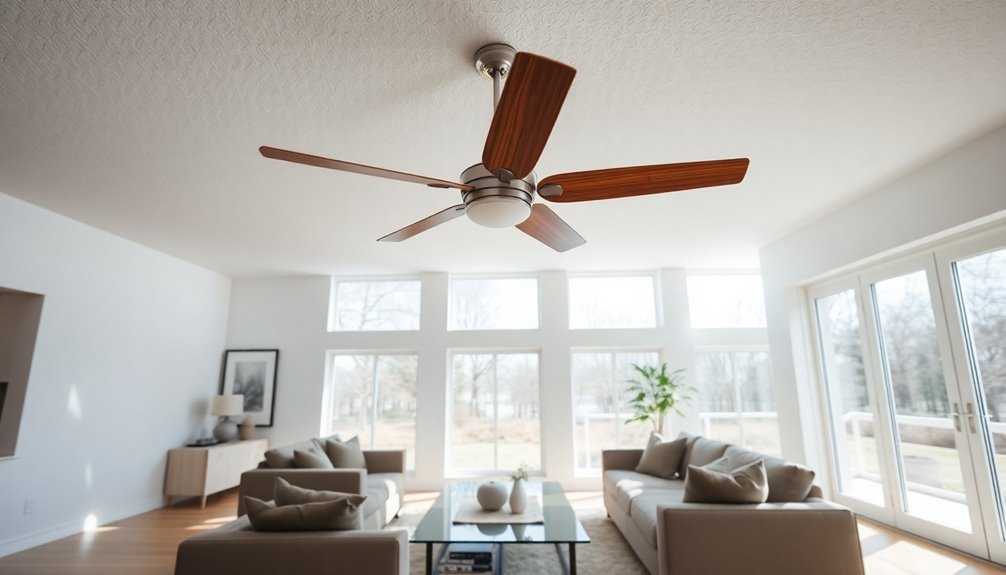
Now, restore the power. Go back to your wall switch or circuit breaker and turn it back on. Turn the fan on at a low speed and stand underneath it. Watch carefully to see which direction the blades are spinning and feel the air movement.
Which Way is Which? (The Cheat Sheet)
This is where it gets interesting, because how do you know if it's doing what you want it to?
- For Summer (Counter-Clockwise): When you're standing directly underneath the fan and looking up, the blades should be moving in a counter-clockwise direction. This pushes air straight down, creating that lovely cooling breeze you crave. You should feel a distinct current of air.
- For Winter (Clockwise): In the colder months, the blades should be spinning in a clockwise direction when viewed from below. This motion creates an updraft, gently pulling cooler air up and pushing warm air (that's hanging out near the ceiling) down along the walls. You won't feel a direct breeze, but the room will feel warmer and less stagnant.
What If My Fan Doesn't Have a Switch?
Ah, the plot thickens! Most modern fans have that physical toggle, but some might be different. If you can't find a switch:
- Check your remote control: Many fans with remotes have a reverse button.
- Wall control: Some fans are connected to advanced wall controls that have a reverse function.
- Pull chains: Very old or very simple fans might have a pull chain that, among speed settings, also has a reverse function. (Less common, but worth a tug!)
- Smart fans: If you're fancy and have a smart fan, check its app or integration with your smart home system.
- No option: In rare cases, especially with very old or basic fans, it might simply not have a reverse function. Bummer, I know!
Why Bother, Really?
It sounds like such a small thing, right? Just flipping a switch. But the impact is surprisingly significant. By using your ceiling fan correctly throughout the year, you can potentially lower your energy bills because your furnace or AC won't have to work as hard to maintain your desired temperature. You'll be more comfortable, and your wallet will thank you. Plus, you get to feel like a savvy home-maintenance guru. And who doesn't love that?
So, go on! The next time the seasons change, don't just grumble about the weather. Take five minutes, reverse your fan, and revel in the simple, yet profound, power of proper air circulation. Your home (and your energy bill) will thank you.