
How Do You Replace Weather Stripping Around A Door

Okay, let's be honest, weather stripping might not sound like the most thrilling topic. But hear me out! Think of it as a superhero for your home, silently battling drafts and saving you money. Replacing worn-out weather stripping is a super easy, super effective way to boost your home's comfort and your wallet. Plus, there's a certain satisfaction in knowing you're tackling a small home improvement project like a pro. Are you ready to become a weather stripping whiz?
So, what exactly is weather stripping and why should you care? Simply put, it's the material that seals the gaps around your doors and windows. Think of it as a cozy blanket for your house, keeping the cold air out in the winter and the hot air out in the summer. But it does so much more than just regulate temperature!
The benefits of good weather stripping are plentiful. First and foremost, it saves you money on your energy bills. Those sneaky drafts force your heating and cooling systems to work harder, leading to higher costs. Proper weather stripping creates a tight seal, preventing energy loss and keeping your home comfortable without breaking the bank. Secondly, it keeps pests out! No one wants unwanted creepy crawlies finding their way inside. A good seal acts as a barrier, preventing insects from sneaking through those tiny gaps. Finally, it reduces noise pollution. Weather stripping helps dampen outside sounds, creating a quieter and more peaceful indoor environment.
Must Read
Ready to get started? Replacing weather stripping is surprisingly straightforward. Here's the lowdown:
Step 1: Inspection Time! Take a walk around your door and carefully inspect the existing weather stripping. Look for cracks, tears, or sections that are compressed or missing altogether. This will tell you exactly where you need to focus your efforts.
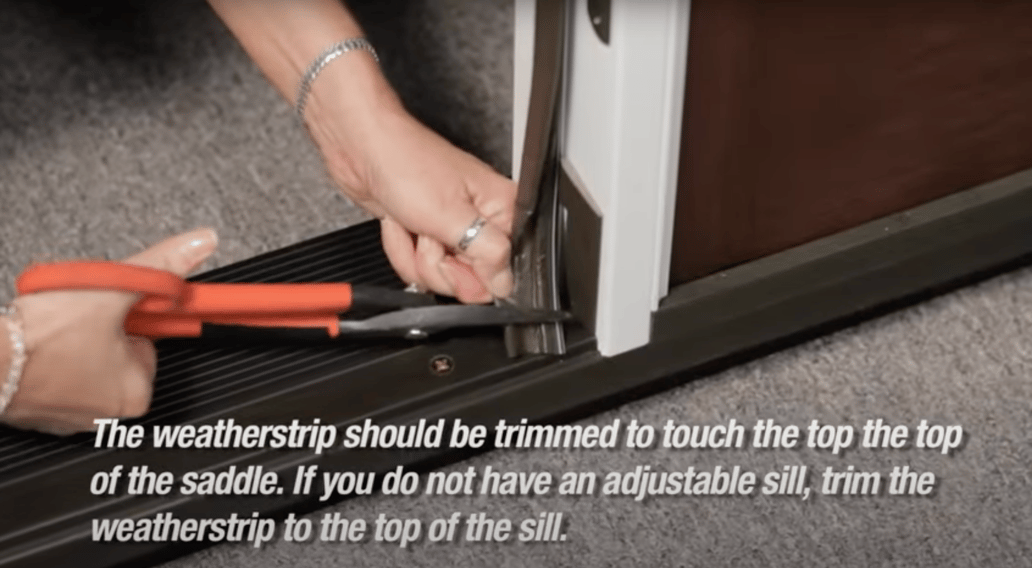
Step 2: Removal is Key. Once you've identified the problem areas, remove the old weather stripping. Depending on the type, it might be glued, stapled, or simply pressed into place. A putty knife or pliers can be helpful for removing stubborn pieces. Be sure to clean the surface afterwards to remove any residue or debris. A clean surface is essential for proper adhesion.
Step 3: Choose Your Weapon (aka, Weather Stripping Type). There are several types of weather stripping available, including foam tape, V-strip, felt, and magnetic options. Foam tape is generally the easiest to install and a good choice for beginners. Consider your budget and the size of the gaps you need to seal when making your selection. Measure carefully!
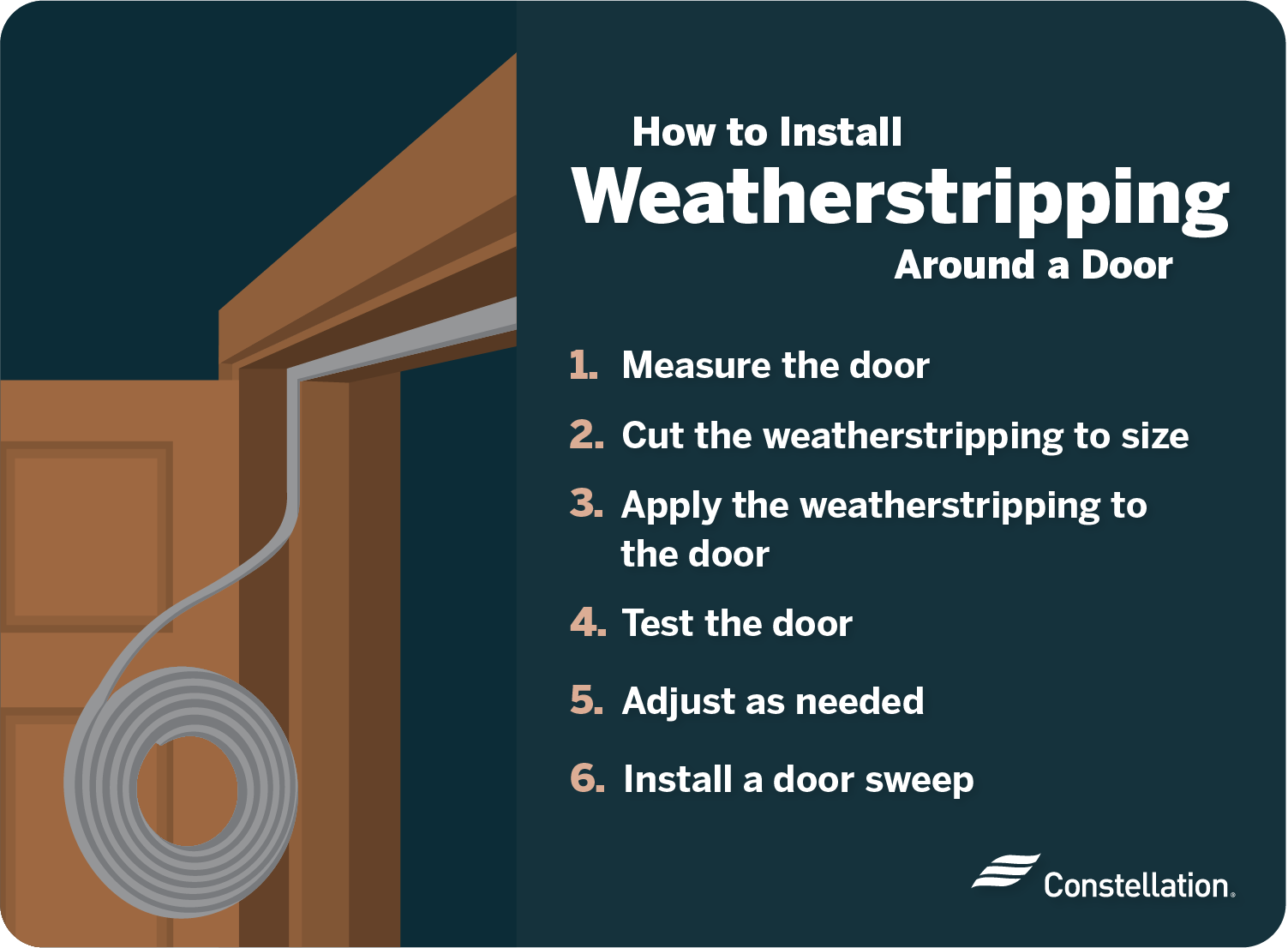
Step 4: Installation! Now for the fun part! Following the manufacturer's instructions (they're usually pretty clear), apply the new weather stripping around the door frame. For foam tape, simply peel off the backing and press it firmly into place. Make sure it's properly aligned and creates a tight seal when the door is closed. If you're using other types of weather stripping, you may need to use nails or screws to secure them.
Step 5: Test and Adjust. Close the door and check for any gaps or areas where air is still leaking through. If necessary, add extra weather stripping or adjust the existing pieces until you achieve a perfect seal. You should feel a noticeable difference!
That's it! You've successfully replaced your weather stripping. Now sit back, relax, and enjoy the benefits of a more comfortable and energy-efficient home. You’re an official weather stripping superhero!

