
How Do You Read Electric Meter

Ever gazed at that box on the side of your house, humming quietly, maybe spinning a little? You know, the one with numbers or dials that magically tell your electricity company how much juice you've zapped this month? It might seem like a mysterious black box, but guess what? It's actually telling a pretty cool story about your home's energy habits!
Forget the intimidating technical jargon for a moment. Reading your electric meter isn't some secret handshake only electricians know. It's more like deciphering a mini-mystery, and once you get the hang of it, you might just feel like a bit of an energy detective. And honestly, isn't it empowering to understand where your money is going, especially when it comes to something as fundamental as the power keeping your lights on and your snacks cold?
The Two Main Characters: Digital vs. Analog
Before we dive into the nitty-gritty, let's meet our main characters. Just like classic cars versus modern ones, there are generally two types of electric meters you might encounter: the sleek, modern digital meter, and the charmingly old-school analog meter with its spinning dials. Both do the same job – measure your electricity usage – but they speak a slightly different language.
Must Read
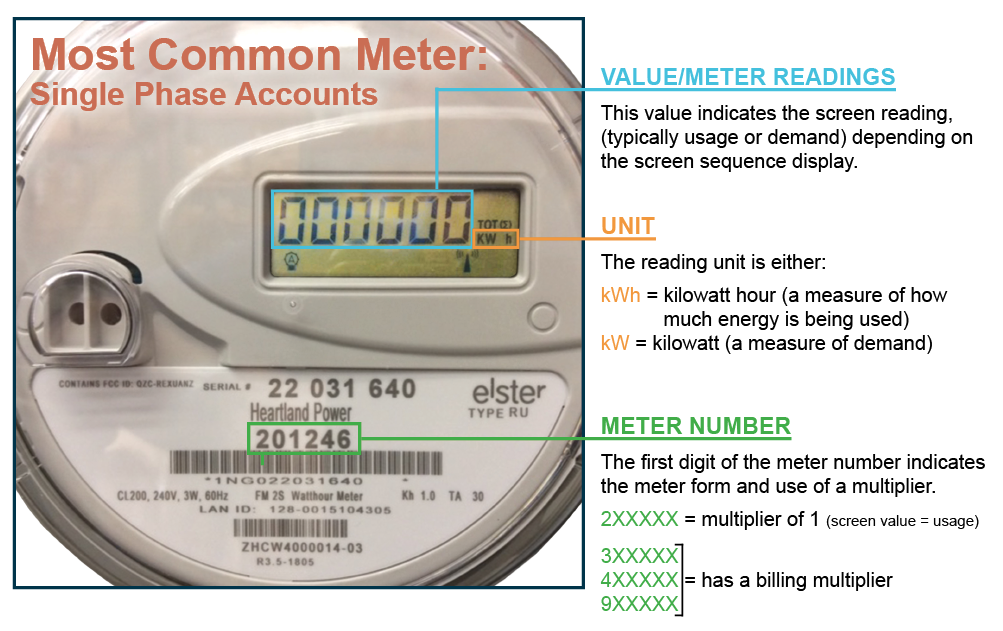
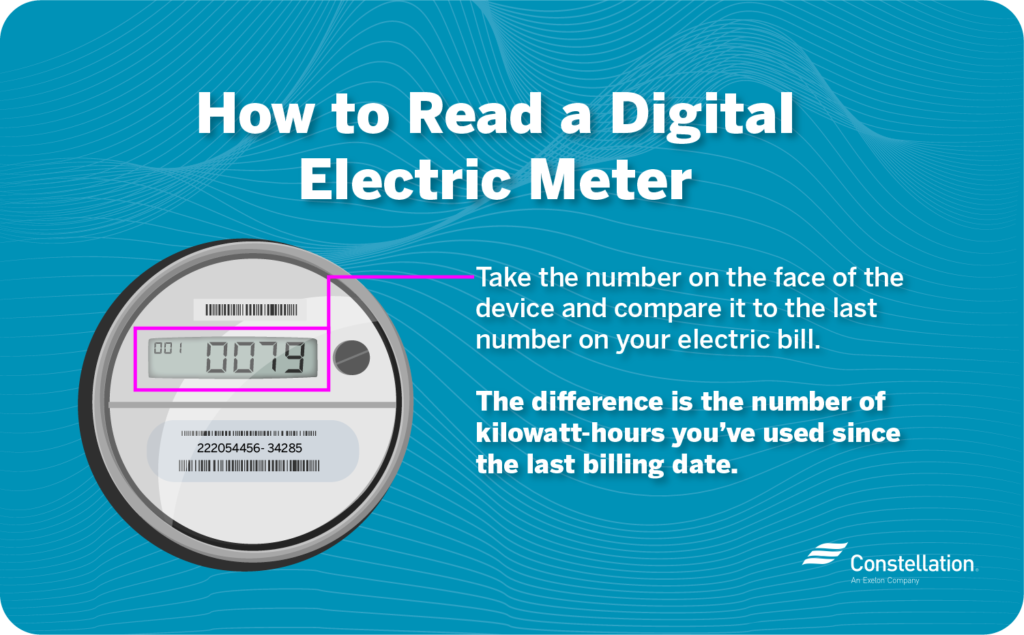
Most homes these days likely have a digital meter. These are the easiest to read, hands down. Think of it like looking at the odometer in your car. It's usually a clear LCD screen displaying a series of numbers. Sometimes it might flash between different readings (like the current usage and the total usage), but the main number you're interested in is the one that stays put for a few seconds, showing your total electricity consumption. This number represents the cumulative amount of electricity your household has used, typically measured in kilowatt-hours (kWh).
To get your current month's usage from a digital meter, it’s really simple. You just take a reading at the start of your billing cycle (or any point you choose) and then another reading at the end. Subtract the first number from the second, and voilà! You have your usage for that period. Easy peasy, right? It's like tracking your car's mileage for a road trip.

Decoding the Analog Dials: Your Inner Clock-Watcher
Now, if you have an analog meter, prepare for a bit more adventure! These are the ones with four or five small clock-like dials, each with a single pointer. They might look a bit intimidating at first, but trust me, they’re really fun once you get the hang of them. It's like reading a series of tiny, interconnected clocks.
The trick with analog meters is to read the dials from right to left. Why right to left? Because that's typically how the digits relate to each other in terms of place value. Each dial represents a digit in your total kWh reading. For example, if you have five dials, the far-right one is the "ones" place, the next is the "tens," then "hundreds," and so on.
When you're looking at a dial, here's the golden rule: always read the lower number if the pointer is between two numbers. For instance, if a pointer is between 4 and 5, you write down 4. If it's exactly on a number, say 7, then you write 7. But be careful: if the pointer is exactly on 7, but the dial to its right hasn't quite passed zero yet, you'd actually read the 6. It's a subtle point, but it ensures accuracy. Think of it like waiting for the minute hand to fully pass the 12 before saying it's a new hour.
So, you go dial by dial, right to left, noting the number each pointer has most recently passed (or is exactly on, with that one important caveat). String those numbers together, and you've got your total kWh reading. Pretty neat, huh? It's a bit like playing a game of "what number did the hand just leave?"

Why Bother? The Power of Knowing!
You might be thinking, "Okay, that's kinda cool, but why should I actually do this?" Great question! And the answer is surprisingly empowering.
First off, understanding how to read your meter gives you an incredible sense of control and transparency over your electricity bill. No more just accepting a number that pops up in your inbox! You can verify your usage, spot any discrepancies, and feel confident that you're only paying for what you actually use. It's like having the ability to check the restaurant's weighing scales before they charge you for your steak!
Secondly, it's a fantastic tool for energy awareness. By taking regular readings (say, once a week or even daily), you can start to connect your daily habits with your energy consumption. Ever wonder if leaving that gaming console on standby really adds up? Or how much power your ancient fridge is guzzling? Your meter can tell you!
You can become an energy detective in your own home, uncovering "energy vampires" – those devices that silently suck power even when turned off. This newfound insight can guide you to make smarter choices, whether it's unplugging unused electronics, switching to energy-efficient appliances, or simply being more mindful about turning off lights. Imagine how much money you could save, not to mention the positive impact on the planet!
So, the next time you see that unassuming box, don't just walk past it. Take a moment, lean in, and unravel its secret language. You might just discover something fascinating about your home, your habits, and how you can take charge of your energy story. It's not just a meter; it's a portal to understanding, saving, and a little bit of everyday magic!