
How Do You Protect Yourself From An Earthquake
Okay, earthquake survival guide! Let’s make sure you're ready to rumble (pun intended!).
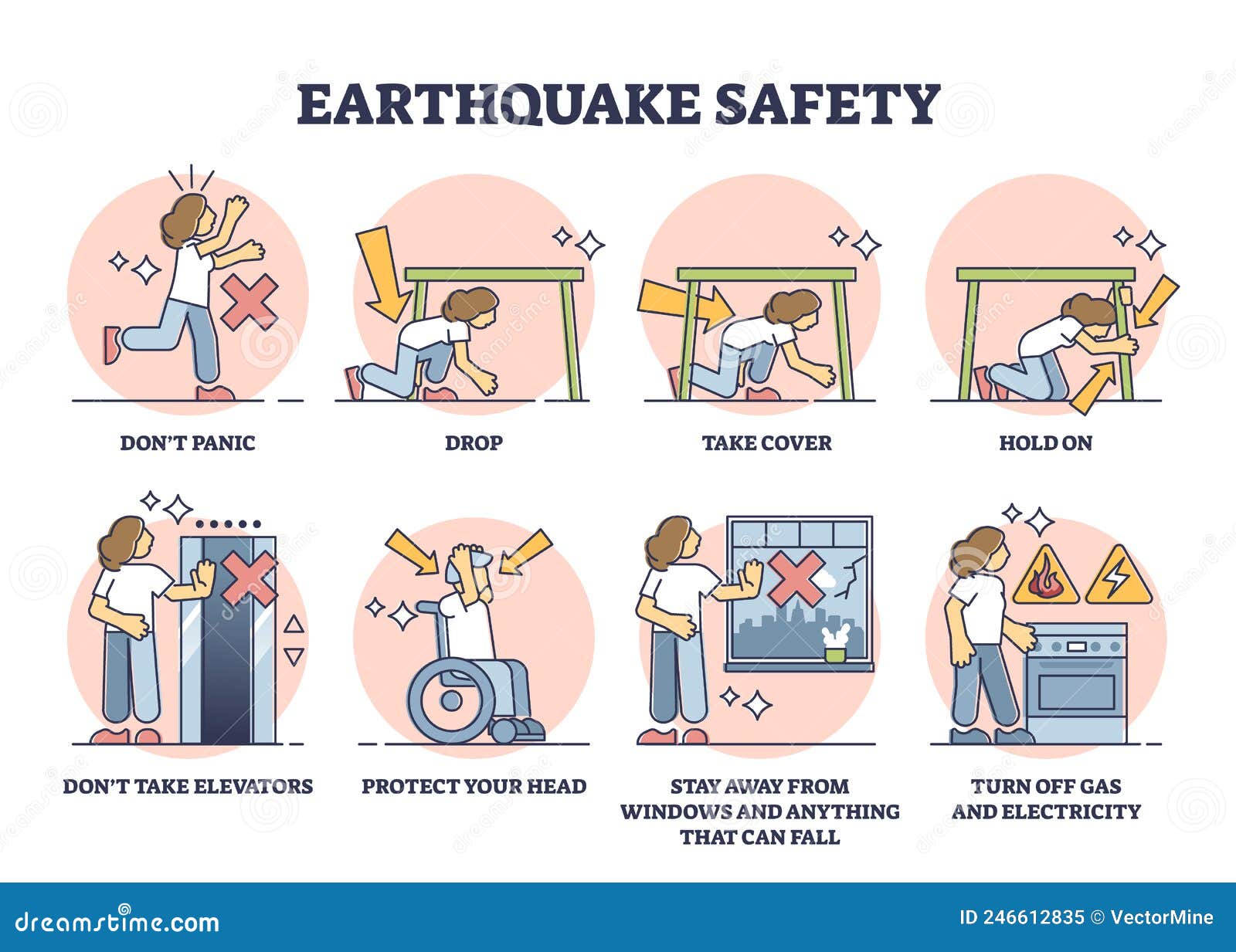
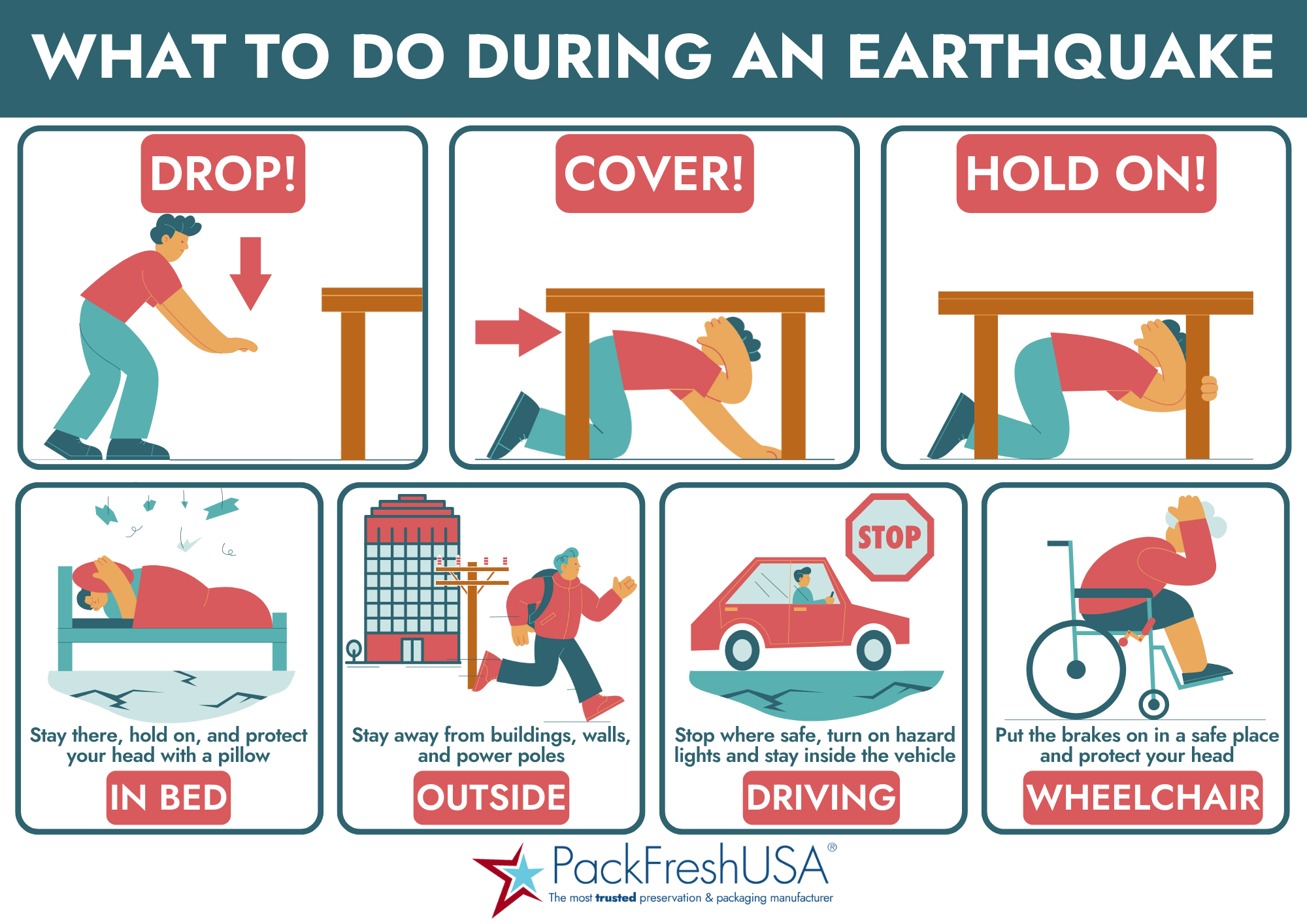
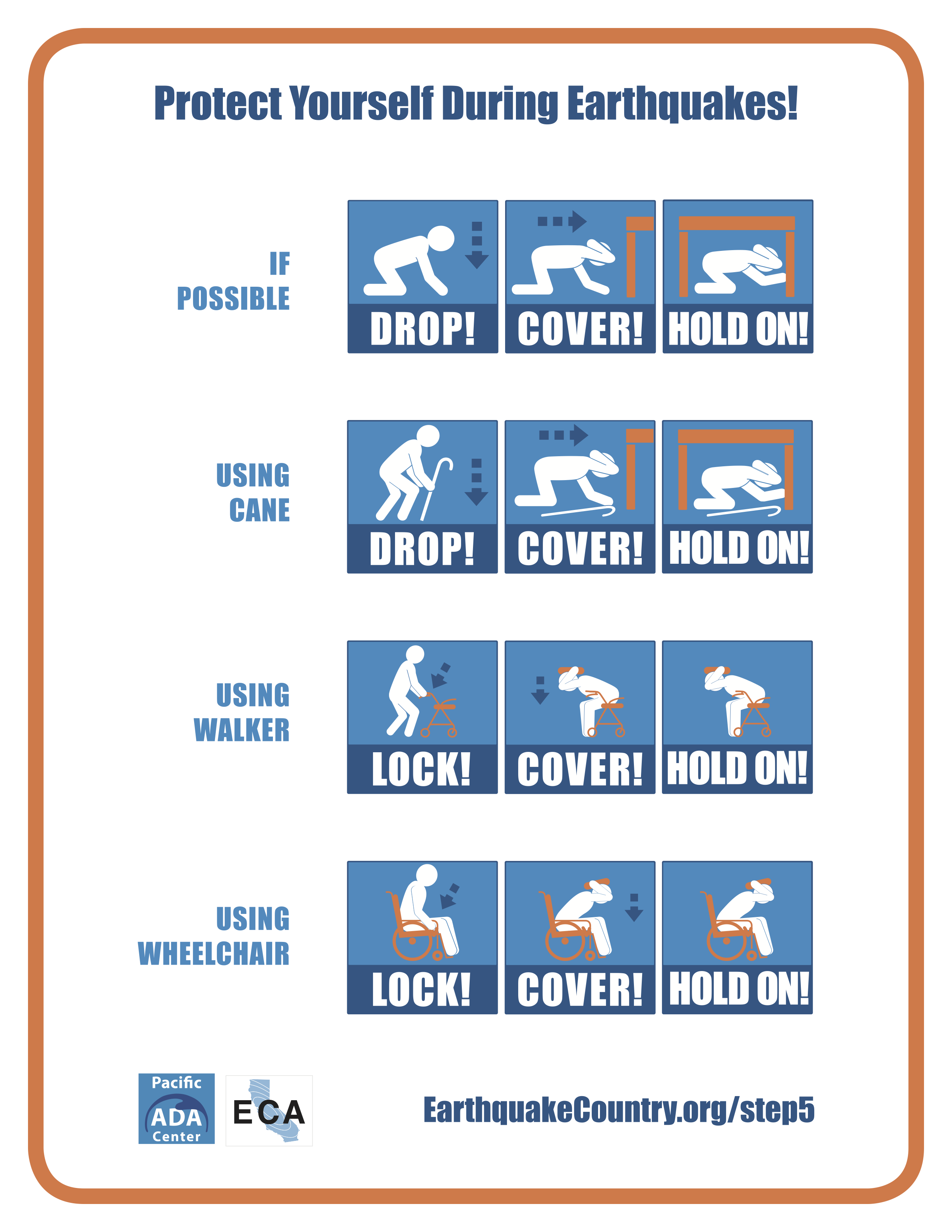
Drop, Cover, and Hold On! (The Holy Trinity of Earthquake Safety)
Imagine you're suddenly in a salsa class, but the floor is having a seizure. What do you do? You drop, cover, and hold on!
Drop! Like it's Hot (But the Floor is Lava)
Get down! Lower yourself to the ground. Think of it as a very sudden, unplanned yoga pose, except instead of enlightenment, you're aiming for survival.
Must Read
If you’re in a crowded place, don’t worry about looking graceful; just get low!
Cover! Under a Table (or Anything Sturdy)
Now, find something sturdy to hide under. A desk, a table, anything that looks like it could survive a mild apocalypse.
Pretend you're a ninja turtle seeking refuge in its shell. If there's nothing around, cover your head and neck with your arms. Seriously, protect that noggin!
Hold On! Like Your Life Depends On It (Because It Does!)
Grip that sturdy object like it's the last slice of pizza at a party. Hold on tight and be ready to move with it if it starts to shift.
Think of it as a bonus ab workout! (Okay, maybe not, but positive thinking helps!).
Prepping Your Home: Earthquake-Proofing Your Castle
Now, let's turn your home into a fortress of earthquake resistance. You don't need to turn it into a bunker, just a few tweaks can make a world of difference.
Secure Heavy Objects (Before They Secure You!)
Bookcases, TVs, refrigerators – anything that could fall and turn you into a pancake needs to be secured. Use straps, brackets, earthquake putty, anything!
Imagine your furniture is participating in the Olympics, and you're the coach, making sure they don't fall and embarrass themselves. This is about safety, and furniture pride!

Move Beds Away From Windows (Nighttime Protection)
Imagine you're sleeping soundly when BAM! Glass shards are showering you like confetti. Not the kind of surprise anyone wants!
So, move your bed away from windows. Sleep soundly, knowing you're not going to wake up with a new (and unwanted) piercing.
Know Where to Shut Off Utilities (Before Things Get Dramatic)
Gas, water, electricity – knowing where to shut these off can prevent fires and floods. Think of yourself as a superhero, preventing a disaster from escalating.
Make sure everyone in your household knows where the shut-off valves are. It’s like a family fire drill, but for earthquakes!
Emergency Kit: Your Go-Bag for the End of the World (Sort Of)
Every superhero needs their gadgets. And every household needs an emergency kit. It’s your survival backpack!
Water, Water Everywhere (But Not a Drop to Drink…Unless You Have a Kit!)
Store at least a three-day supply of water for each person in your household. Water is life, especially when the taps decide to take a vacation.
Think about it: staying hydrated is the key to solving most problems. World peace? Maybe. Earthquake survival? Definitely!
Food, Glorious Food (That Doesn't Require Cooking)
Stock up on non-perishable food. Canned goods, energy bars, dried fruit – things that won't spoil and don't need to be cooked.
Imagine you're planning a picnic, but a very serious picnic. You want food that lasts, tastes (relatively) good, and keeps you going.
First Aid Kit (Because Scrapes Happen)
Bandages, antiseptic wipes, pain relievers – the essentials for patching yourself up. It's your medical superhero kit, ready to tackle minor injuries.
Remember, a little bit of preparation now can save you a lot of pain and discomfort later. Future you will thank you!
Flashlight (Because Darkness is Scary)
A flashlight with extra batteries is a must. Power outages are common after earthquakes, and stumbling around in the dark is not a good look.
Think of it as your personal lighthouse, guiding you through the darkness. And yes, a headlamp is even better – hands-free lighting for the win!
Whistle (For When You Need to Be Heard)
A whistle can help rescuers find you if you're trapped. It's small, lightweight, and incredibly effective.
Blow that whistle like you're trying to win a prize at a carnival. You want to be heard loud and clear!
Dust Mask (For When the Air Gets Dusty)
Earthquakes can kick up a lot of dust and debris. A dust mask will protect your lungs from all that nasty stuff.
Think of it as your personal air purifier. It's like wearing a stylish (and functional) accessory!
During the Earthquake: Staying Calm (Or at Least Pretending To)
Okay, the shaking has started. Deep breaths! Remember everything you've learned.
Stay Inside (Unless You’re Already Outside)
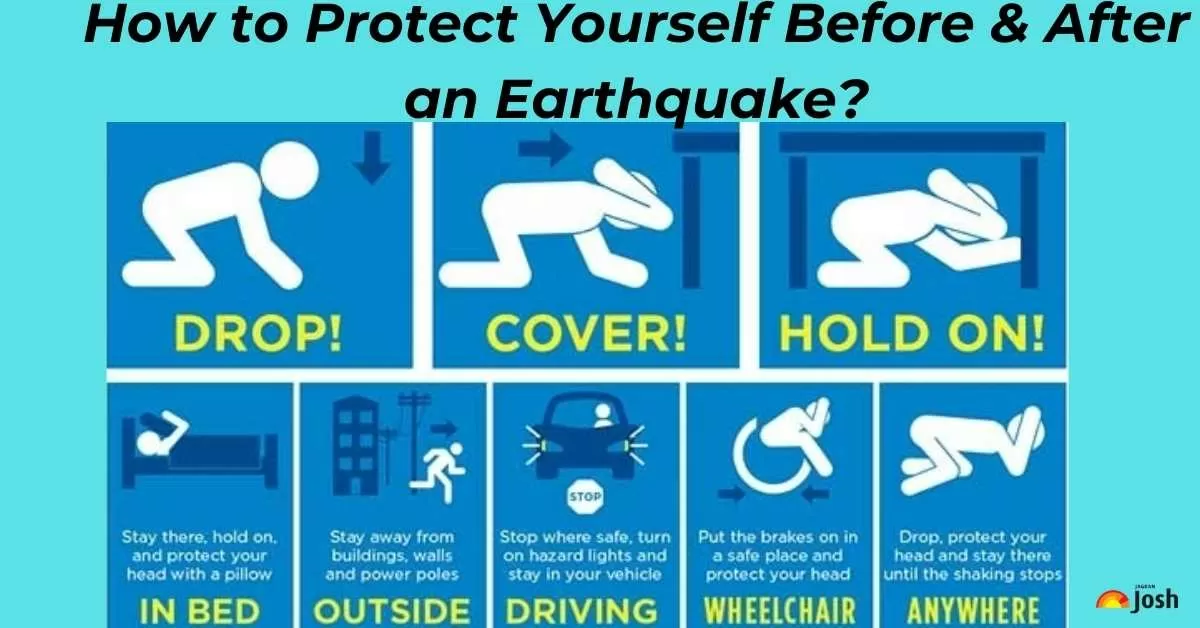
If you're inside, stay inside. Don't try to run out during the shaking. You're more likely to get injured by falling debris.
Think of your home as a protective cocoon. It might not be perfect, but it's better than braving the earthquake outdoors.
If You're Outside, Find a Clear Spot (Away From Buildings and Power Lines)
If you're outside, move away from buildings, trees, and power lines. Find an open space where you're less likely to be hit by falling objects.
Imagine you're playing a game of dodgeball, but the balls are buildings and trees. You want to be in the clear zone!
Don't Use Elevators (Stairs are Your Friend)
Elevators can become death traps during earthquakes. Use the stairs. It's good exercise anyway!
Think of it as a forced workout. You'll feel better afterward, and you'll be alive!
If You're Driving, Pull Over (and Stay Put)
If you're driving, pull over to the side of the road and stop. Avoid bridges and overpasses.
Think of it as a mini-vacation. Wait for the shaking to stop, and then proceed with caution.
After the Earthquake: Assessing the Damage (and Helping Others)
The shaking has stopped. Now what?
Check for Injuries (Yourself and Others)
Check yourself for injuries, and then check on others. Administer first aid if needed.
Imagine you're a triage nurse, assessing the situation and providing assistance. Be calm, be helpful, and be a hero!
Check for Hazards (Gas Leaks, Electrical Damage)
Check for gas leaks, electrical damage, and other hazards. If you smell gas, open windows and doors and evacuate.
Think of yourself as a safety inspector. Look for potential dangers and take appropriate action.
Listen to the Radio (For Updates and Instructions)
Listen to the radio for updates and instructions from emergency officials. Stay informed and follow their guidance.
Remember to rely on official sources. Social media may not always provide accurate information. The Red Cross is also a great source.
Be Prepared for Aftershocks (They Can Be Scary)
Aftershocks are smaller earthquakes that can occur after the main shock. Be prepared for them, and remember to drop, cover, and hold on if they happen.
Think of it as an encore performance. It might be a little unsettling, but you're prepared!
So there you have it! Earthquake preparedness in a nutshell. Remember, a little bit of preparation can make a huge difference. Stay safe, stay informed, and keep shaking things up (but not literally!).