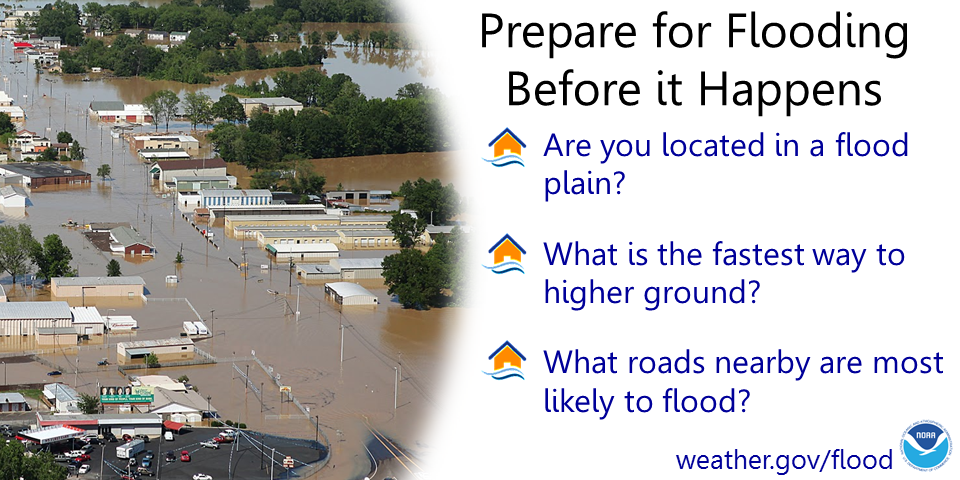
How Do You Prepare For A Flood

Ever thought about floods? Yeah, not exactly a cheerful topic, right? But here’s the thing: while floods can be incredibly serious, getting ready for them isn’t about panic or doom-scrolling. Nope, it’s actually about being super smart, a little bit like a superhero quietly preparing their lair for any unexpected villain. It’s all about readiness, and honestly, there's something pretty cool about being prepared.
Think about it. We plan for vacations, we plan for parties, we even plan our grocery lists (sometimes!). So, why not have a little game plan for something that, though rare for many, could make a huge difference if it ever did happen? It’s not about predicting the future; it’s about having a bit of an edge, a peace of mind. And trust me, that feels really good.
Understanding Your Own Flood Story
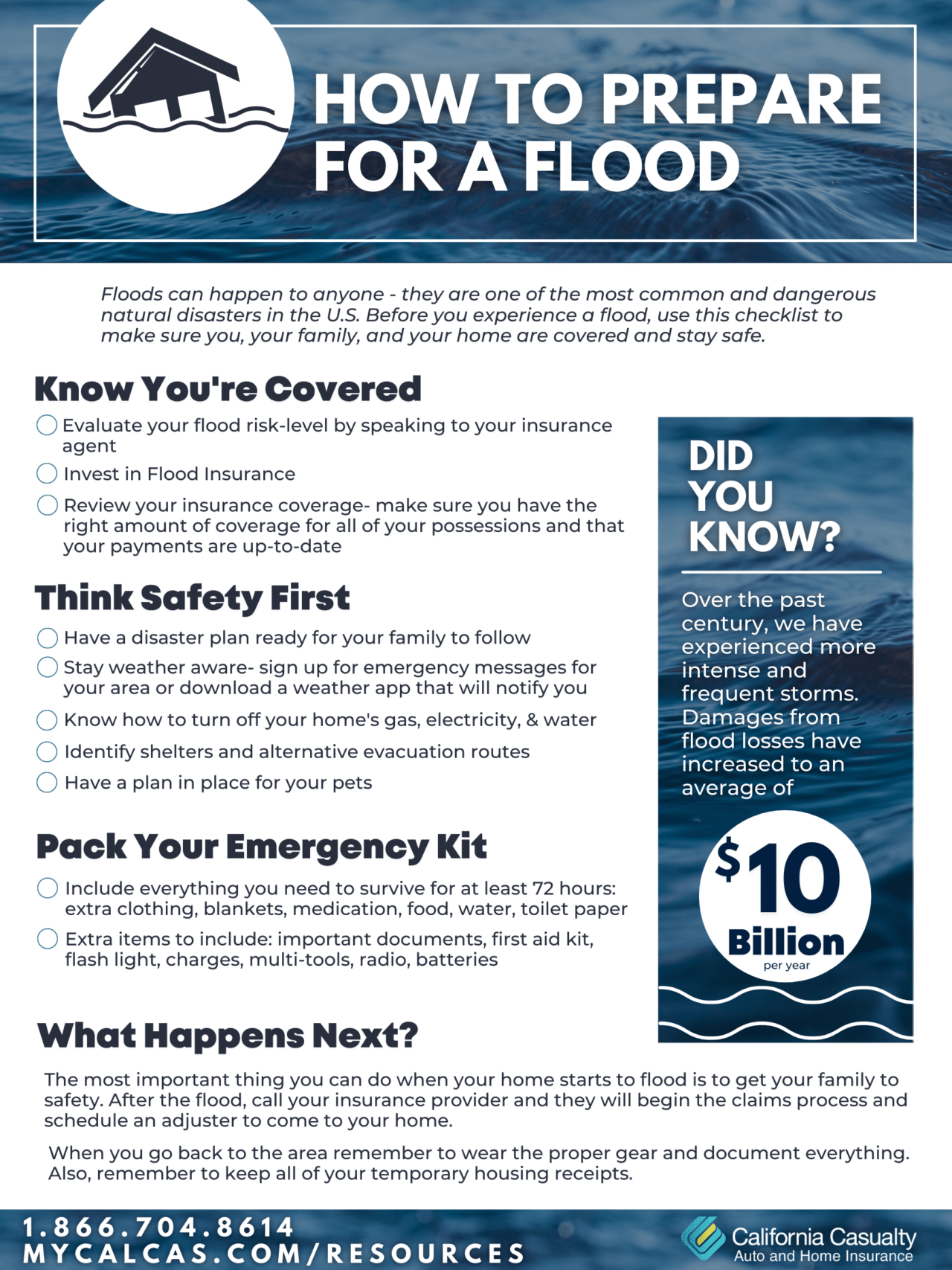
First up, and this might sound obvious but it's often overlooked: know your risk. It’s like checking the weather before you head out for a picnic, right? Different areas have different flood potentials. Are you near a river? In a low-lying area? Close to the coast? Local government websites often have flood maps that can tell you your zone. It’s not about being scared, it’s about being informed. Think of it as your personal geographical detective work. Knowing your specific risk helps you tailor your preparation. If you’re in a high-risk area, your game plan might be a bit more robust than someone in a lower-risk spot, and that's okay!
Must Read
The Mighty Emergency Kit: Your Go-Bag!
Okay, this is where it gets fun – creating your emergency kit, often called a "go-bag" or "bug-out bag." Imagine you're packing for the most unexpected, unplanned road trip ever. What absolutely cannot be left behind? This isn't just a random assortment of stuff; it's your portable powerhouse of essentials!
Water, of course, is king. Think at least a gallon per person per day for several days. Then there's food – non-perishable, easy-to-eat items like energy bars, canned goods (and a manual can opener!). It's not gourmet dining, but it's fuel. Next, first aid. A well-stocked kit for cuts, scrapes, and anything else. Medications are a big one – make sure you have any prescription meds you or your family needs, plus pain relievers and other over-the-counter necessities.
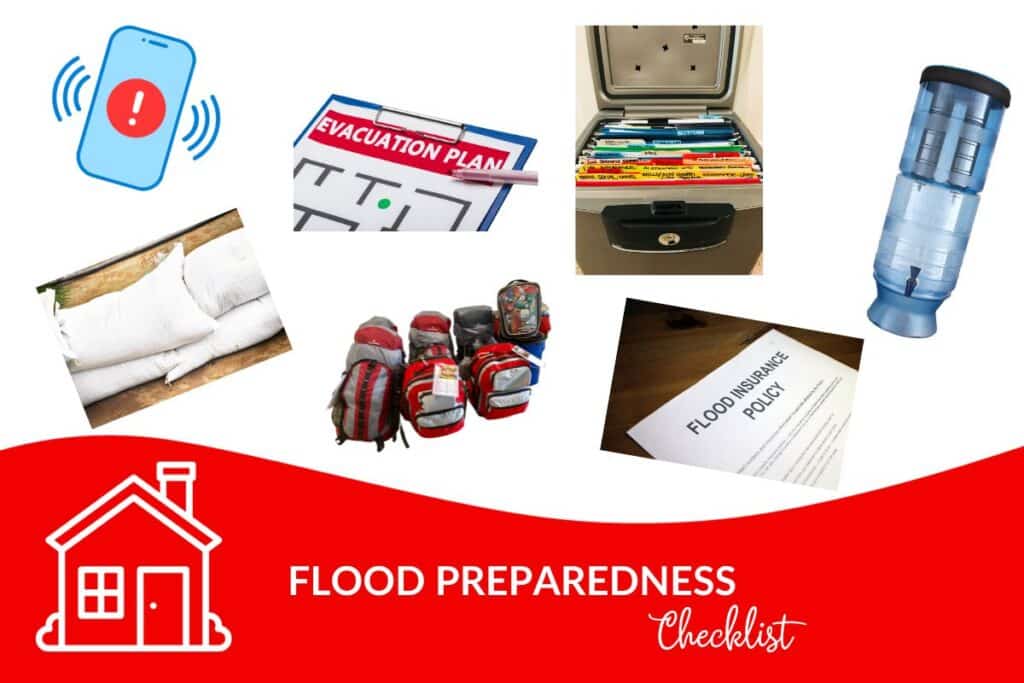
What else goes in this magical bag? A flashlight with extra batteries (because who wants to be in the dark?), a battery-powered or hand-crank radio (to catch emergency broadcasts when the power is out), and a whistle (for signaling). Don't forget copies of important documents – IDs, insurance policies, birth certificates. Zip them into a waterproof bag! Cash is also super important, as ATMs won't work without power. And for comfort? A space blanket, a change of clothes, and maybe even a small book or deck of cards to pass the time. See? It's like packing for an adventure, but with a practical twist!
The Family Huddle: Your Communication & Evacuation Plan
Imagine your family as a team. Every good team has a game plan! This involves sitting down and figuring out a few things. Where will you meet? Pick a safe, easily accessible spot outside your home, and then another one further away in case you can't get back to your neighborhood. This is like setting up a secret agent rendezvous point!

How will you communicate if cell towers are down? Having an out-of-state contact person for everyone to check in with can be a lifesaver, as long-distance calls might go through when local ones don't. Who picks up the kids from school? What's your evacuation route? Know at least two ways out of your neighborhood, just like having alternate routes on your GPS. Practicing this, even just talking it through, makes it feel less daunting if you ever need to use it.
Home Sweet Home: Protecting Your Property
While the go-bag is for you, what about your actual home? There are steps you can take to make it a bit more resilient. If you live in a flood-prone area, consider getting sandbags to block water from entering doorways or garage entrances. It’s like building a tiny, temporary dam around your castle! Elevating important appliances (like furnaces or water heaters) or even just your valuable possessions to higher floors or shelves can make a massive difference. Think about moving sentimental items or important documents to an attic or a high closet if a flood warning is issued. It's essentially giving your house a little pre-flood "spa day" to protect its insides.
Clearing gutters and drains regularly is also a small but mighty step. It ensures water can flow away from your house, rather than pooling up and finding its way inside. Simple, right? But incredibly effective.
Stay Alert, Not Alarmed
Finally, and this ties into knowing your risk, is staying informed. Have multiple ways to receive emergency alerts – a weather radio, local news, and smartphone alerts. These warnings aren't there to scare you; they're your personal weather gurus giving you a heads-up. Listen to local authorities and follow their instructions. They have the bigger picture and are there to guide you to safety.
So, there you have it. Preparing for a flood isn't about conjuring worst-case scenarios; it’s about feeling empowered, practical, and maybe even a little bit clever. It's about knowing that if nature decides to throw a curveball, you've got a pretty good plan to catch it. Isn't that a rather interesting thought?