How Do You Measure The Capacity Of A Battery

Ever wondered how they figure out how long your phone battery will last, or how much juice is packed into that portable charger you swear by? It's all about measuring battery capacity, and while it sounds like something cooked up in a sci-fi lab, it's surprisingly relatable. Think of it like figuring out how much pizza a family can devour – a surprisingly apt analogy!
The 'Pizza Slice' Unit: mAh and Wh
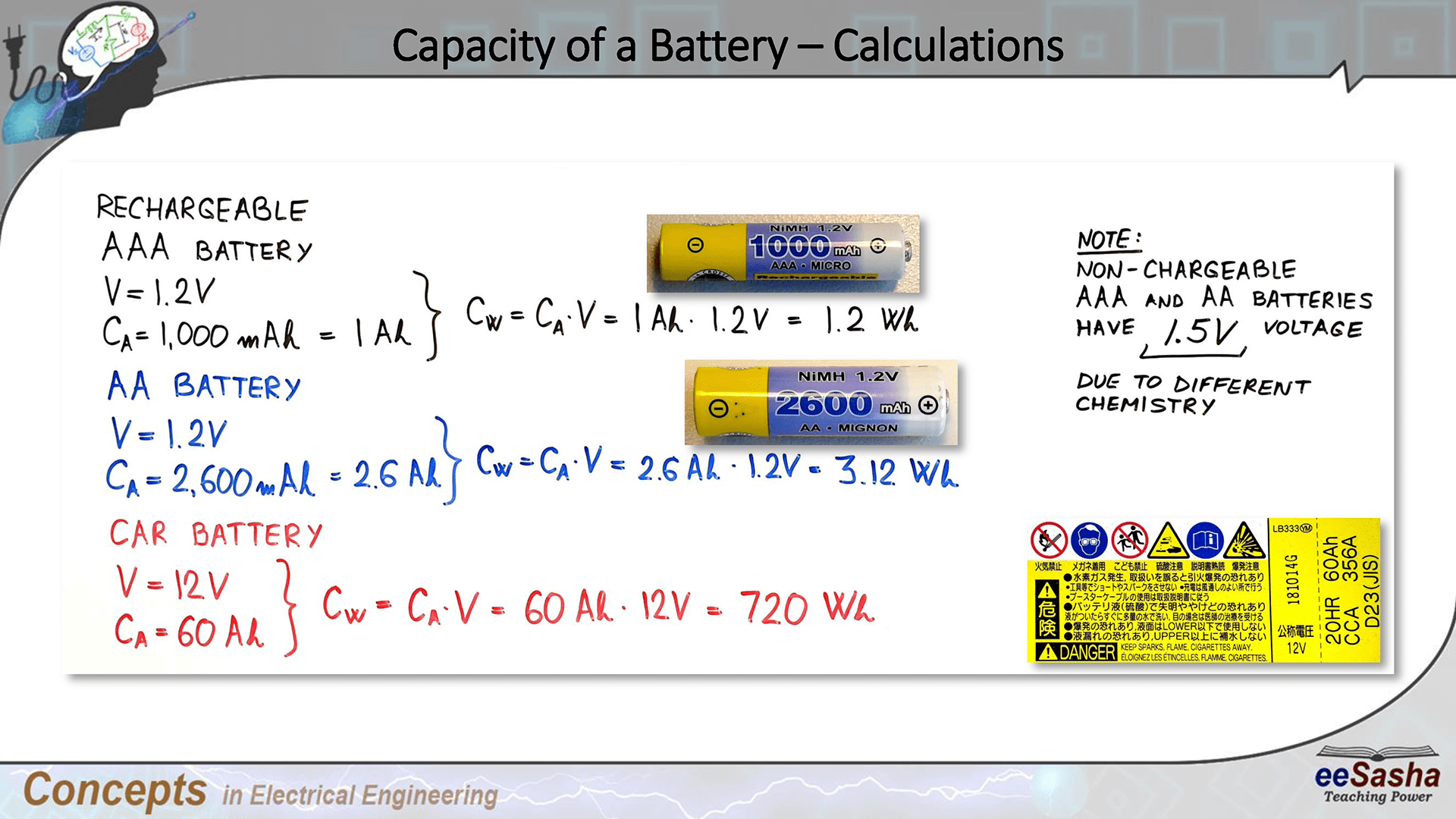
Batteries store energy, and we measure that energy with things called milliampere-hours (mAh) and watt-hours (Wh). Imagine each mAh as a tiny pizza slice. A bigger battery, like the one in your laptop, has a lot more slices of pizza than your phone's battery. The higher the mAh number, the longer your device can theoretically run before needing a recharge.
Now, Wh is like figuring out how filling those pizza slices are. A thin, sad slice of diet pizza isn't going to sustain you as long as a thick, cheesy one. Wh takes into account the voltage of the battery, which is like the "cheesiness" factor. So, two batteries with the same mAh rating can have different Wh ratings, meaning one will actually last longer depending on its voltage.
Must Read
The Tortoise and the Hare (and the Battery Tester)
But how do they actually measure these "pizza slices"? Well, there are fancy devices called battery analyzers, or load testers. Think of them as the judges in a very slow, very boring race between two battery types. The analyzer applies a constant load, like continuously streaming a cat video, until the battery is completely drained. It carefully monitors the voltage and current to calculate the total amount of energy delivered.
It's like watching a toddler eat a giant ice cream cone. You know it’s going to take a while, and you're just sitting there patiently observing, occasionally wiping away the mess (or, in the battery's case, monitoring its performance).

Real-World Vs. Lab Results: The Birthday Party Factor
Here's the funny part: the mAh or Wh rating on a battery is measured in a controlled lab environment. It’s like estimating how many slices of pizza your kids will eat at a calm family dinner. But then, BAM! A surprise birthday party erupts with games, screaming, and extra-large slices!
In real life, your phone is constantly juggling tasks – checking emails, playing music, running apps. Each task demands a different amount of "pizza." So, the battery life you experience will likely be different from the official rating. Temperature, app usage, and even signal strength can all impact how quickly your battery drains. This is why your phone's battery seems to vanish faster when you're on vacation taking hundreds of photos versus sitting at home reading a book.
The Sentimental Battery: Aging and Memories
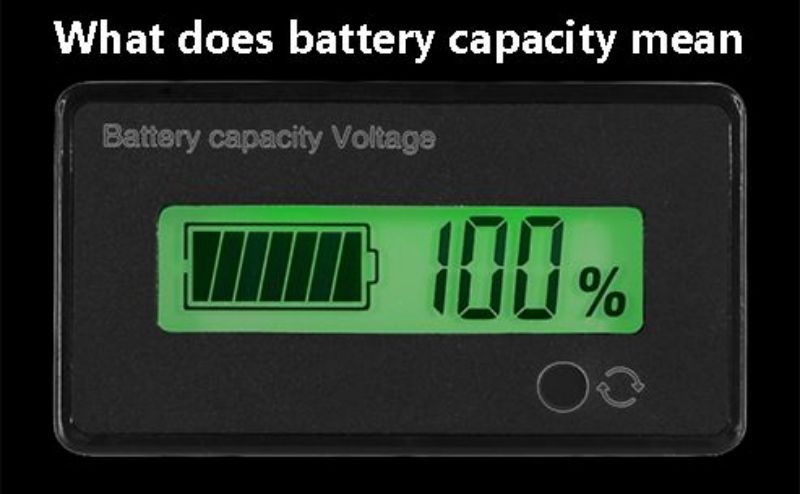
Batteries, like us, age. Every charge and discharge cycle takes a little toll. It's like repeatedly folding a paperclip – eventually, it weakens and breaks. Over time, a battery's capacity to hold a charge decreases. Your phone might only hold 80% of its original "pizza" after a couple of years.
But there's also something almost sentimental about a well-used battery. It's powered countless conversations with loved ones, captured precious memories, and guided you through unfamiliar streets. It's a silent witness to your life, a tireless companion that deserves a little respect. Okay, maybe that's a bit much. But you do rely on it, right?
Beyond the Numbers: The Art of Battery Appreciation
So, the next time you glance at your phone's battery percentage, remember that number represents more than just a statistic. It's a measure of stored energy, carefully calculated and constantly influenced by the demands of your digital life. Think of it as a testament to the ingenuity of engineers and a reminder to appreciate the little things, like the fact that you can watch cat videos on the go. After all, measuring battery capacity is all about understanding how much "pizza" you have left to enjoy the digital feast!