
How Do You Measure Impact Force
Ever dropped your phone? That heart-stopping moment, right? Or maybe you’ve high-fived a friend a little too enthusiastically. That satisfying thwack! sound? What you’re feeling, hearing, and wincing at, my friend, is impact force in action.
It sounds super sciency, but honestly, it’s just physics having a party. Imagine trying to figure out how hard something hits another thing. Not just "a little" or "a lot," but with actual numbers. It’s like being a detective for crashes, bumps, and spectacular collisions!
What Even Is This Impact Force Thingy?
Alright, let’s get down to brass tacks, but keep it casual. Impact force isn’t just any old push or pull. It’s a sudden, powerful interaction that happens in a blink. Think about punching a pillow versus punching a brick wall. Same arm, same effort, but the brick wall gives you a much nastier surprise, right? That’s because the impact with the wall happens super fast, concentrating all that energy into a tiny moment.
Must Read
It's all about how quickly an object changes its motion. If something goes from fast to "ouch, I’m stopped now!" in a split second, you’ve got a big impact force. If it slows down gently, like sinking into a beanbag chair, the force is spread out over time, making it much less impactful. See? Less "ouchie."
Catching the Crash: How Do We Measure It?
So, how do the pros (and sometimes, the super curious nerds like us) actually quantify these fleeting forces? They use some pretty clever gadgets. One common hero is the load cell or force transducer. Imagine your bathroom scale, but on steroids, and with a PhD in speed reading.
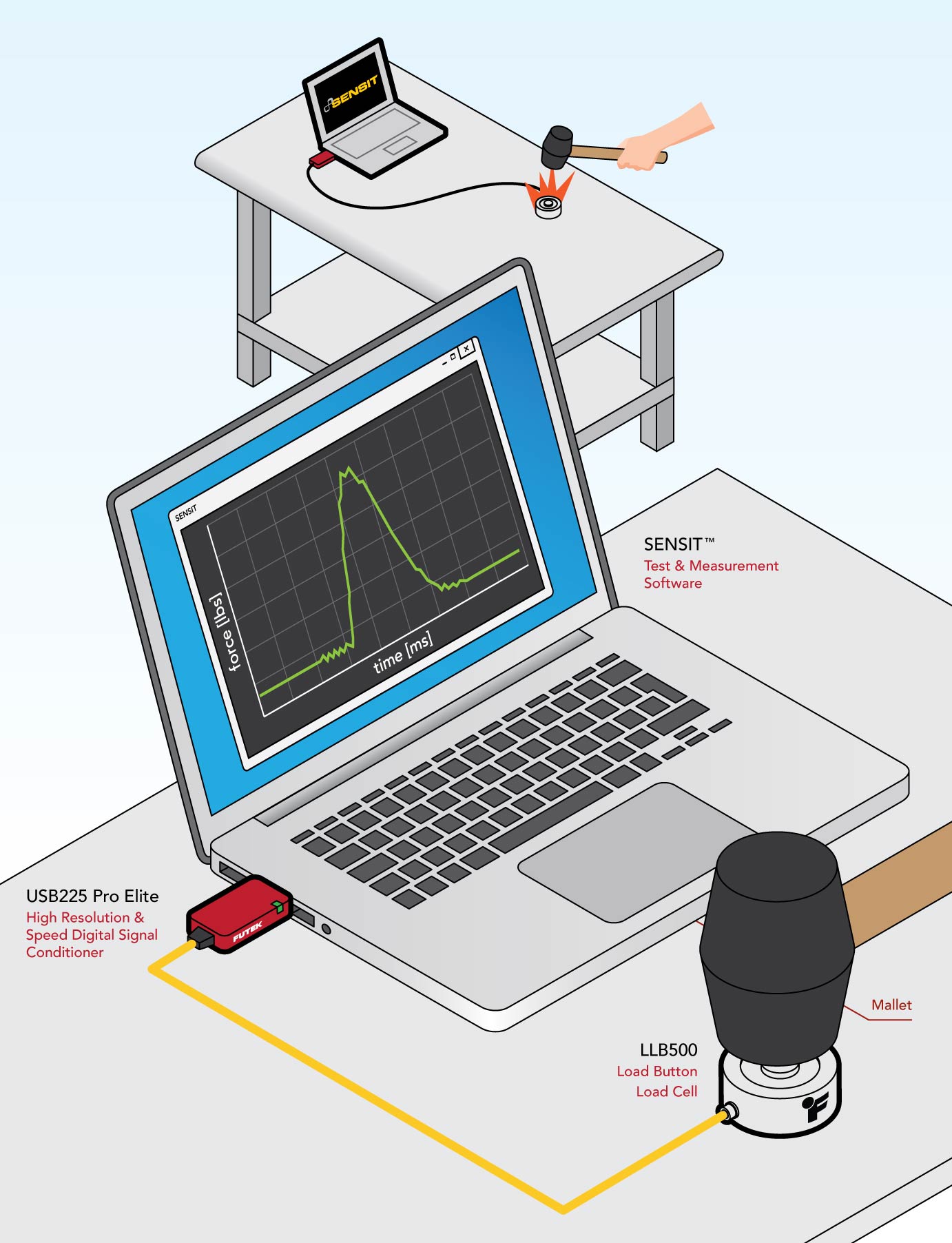
These devices often have a special material inside that, when squished or stretched by a force, changes its electrical resistance. A tiny change in shape leads to a measurable electrical signal. Bam! The bigger the squish, the bigger the signal, the bigger the force. They’re super sensitive and can capture forces happening in mere microseconds.
Then there are accelerometers. You actually carry one in your pocket! Your smartphone uses an accelerometer to know which way is up, or if you’ve dropped it (don't!). These little marvels measure acceleration – how quickly something speeds up or slows down. Since force equals mass times acceleration (thanks, Newton!), if you know the mass of an object and how fast it decelerates during an impact, you can calculate the force it experienced.

Where Does This Weird Science Pop Up?
Measuring impact force isn't just for lab coats and serious scientists. It's everywhere, making our lives safer, more fun, and sometimes, just plain wacky!
- Sports Safety: Think football helmets. Researchers constantly measure impact forces on dummies (and sometimes willing volunteers!) to design headgear that can absorb those colossal hits, keeping athletes safer from concussions.
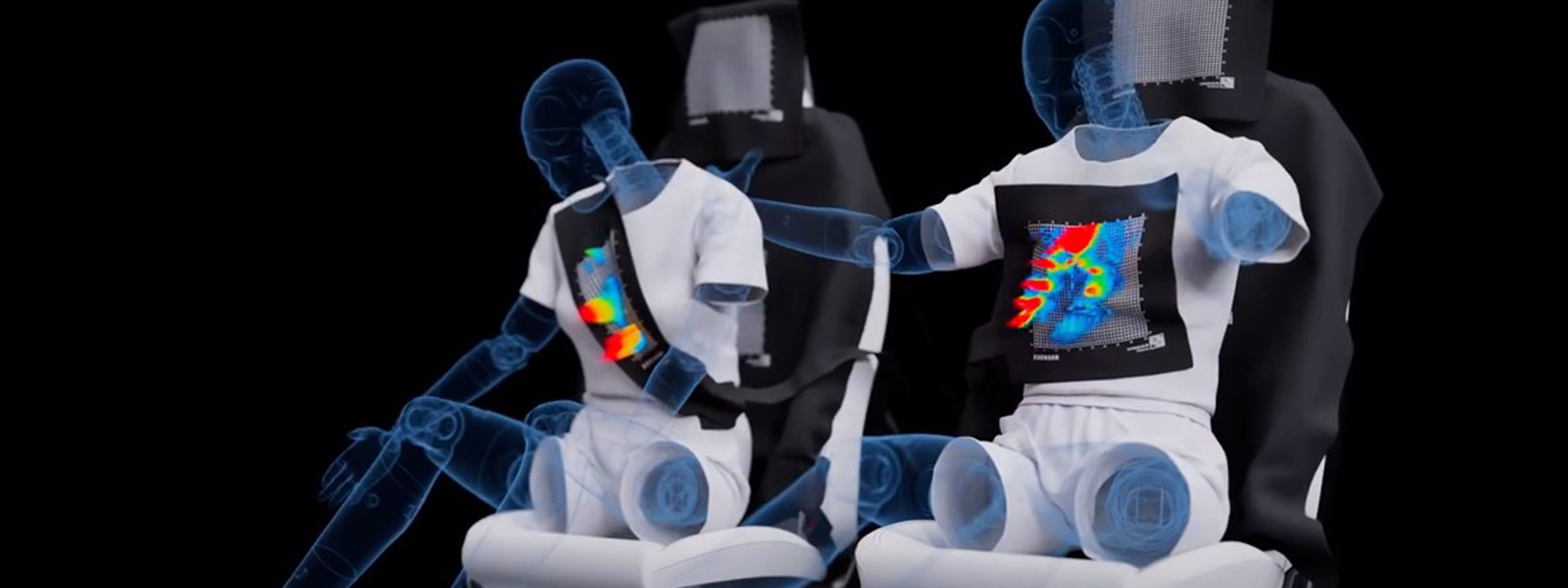
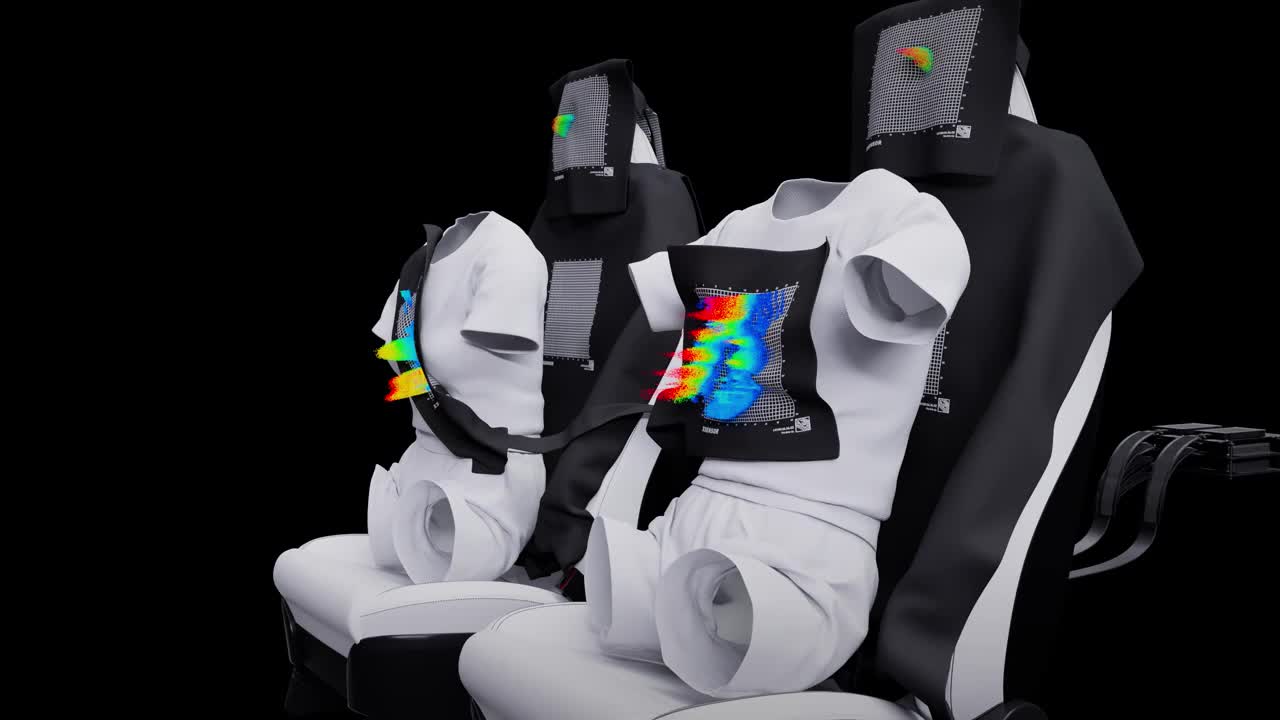
- Car Crashes (the planned kind!): Ever seen those dramatic crash test videos? Those crash test dummies aren’t just for show! They’re packed with accelerometers and load cells, recording every bone-jarring impact to help engineers design safer cars.
- Packaging Perfection: Why do fragile items come wrapped in a ridiculous amount of bubble wrap? Because companies measure the impact forces items might experience during shipping. They want your new TV to arrive in one piece, not a million.
- Designing Tough Tech: Remember dropping your phone? Manufacturers test how much impact force a new phone screen can take before it shatters into a spiderweb of regret. They literally build machines to drop phones repeatedly. (Someone’s gotta do it!)
- The Silliest Science: Sometimes it's about pure curiosity. How much force does it take to perfectly crack an egg? Or to break a chocolate bar just right? Scientists have literally measured the impact force of a sneeze (it’s surprisingly powerful!).
Quirky Facts and Funny Details
Here's a weird one: the same amount of energy can result in vastly different impact forces. Drop a bowling ball on a concrete floor versus a trampoline. Same energy before impact, but the trampoline "cushions the blow" by extending the impact duration. The force is spread out, making it much less intense. So, next time you trip, aim for the bouncy castle!
And those "G-forces" you hear about in fighter jets or roller coasters? That’s basically a measure of acceleration due to impact or rapid change in motion. When you feel pushed back into your seat on a rocket launch, you're feeling that force! It’s wild to think your body is a walking, talking impact sensor, feeling these invisible forces all the time.
Why Bother? It's Just Fun!
Measuring impact force might seem like niche science, but it’s honestly just super cool. It helps us understand the hidden drama of everyday collisions, big or small. It sparks curiosity about how the world works, from a gentle tap to a catastrophic crash. It’s about building things that last, protecting what matters, and even just appreciating the subtle physics that make a perfectly executed high-five feel so good.
So, the next time you hear a loud thud or witness something crash, take a moment. Don’t just flinch! Think about the incredible forces at play, the sudden dance of energy, and the clever ways we've learned to measure it all. Pretty neat, huh?
