
How Do You Make Biomass Energy
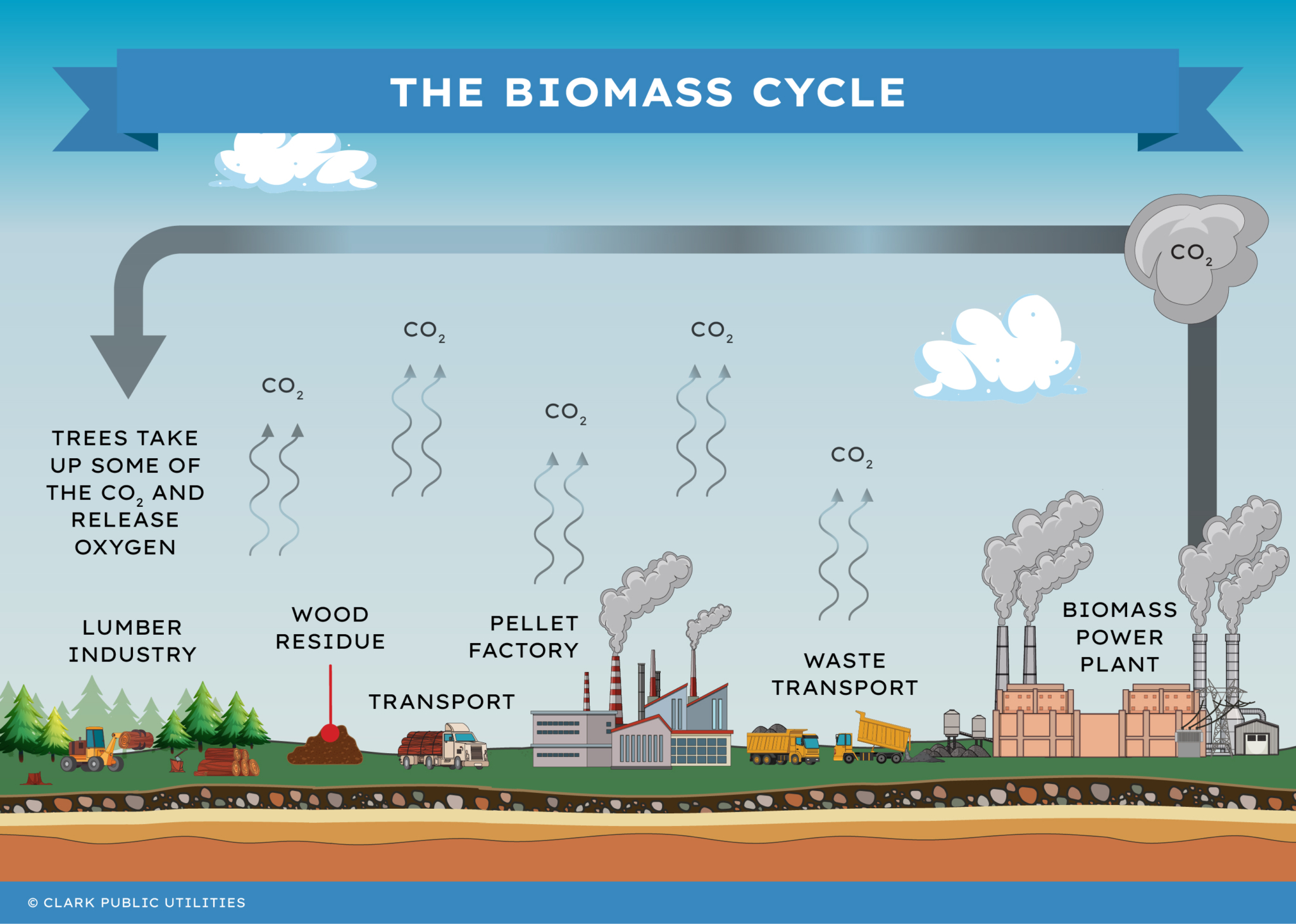
Okay, so you ever wonder about all this talk about "biomass energy" and think, "Wait, what even is that? And how do they, like, make energy from it?" Well, grab your imaginary coffee, because we’re gonna chat about it. It’s actually pretty neat, and honestly, not as complicated as it sounds. Promise!
First off, think of biomass as pretty much any organic material that came from a living thing. We're talking plants, animals, even their... ahem... byproducts. Yeah, we're talking about everything from wood chips and corn stalks to animal waste and even garbage. Basically, it’s nature's leftovers, and guess what? We can turn those leftovers into power. How cool is that?
The "Ingredients" List (aka What We Use)
Must Read
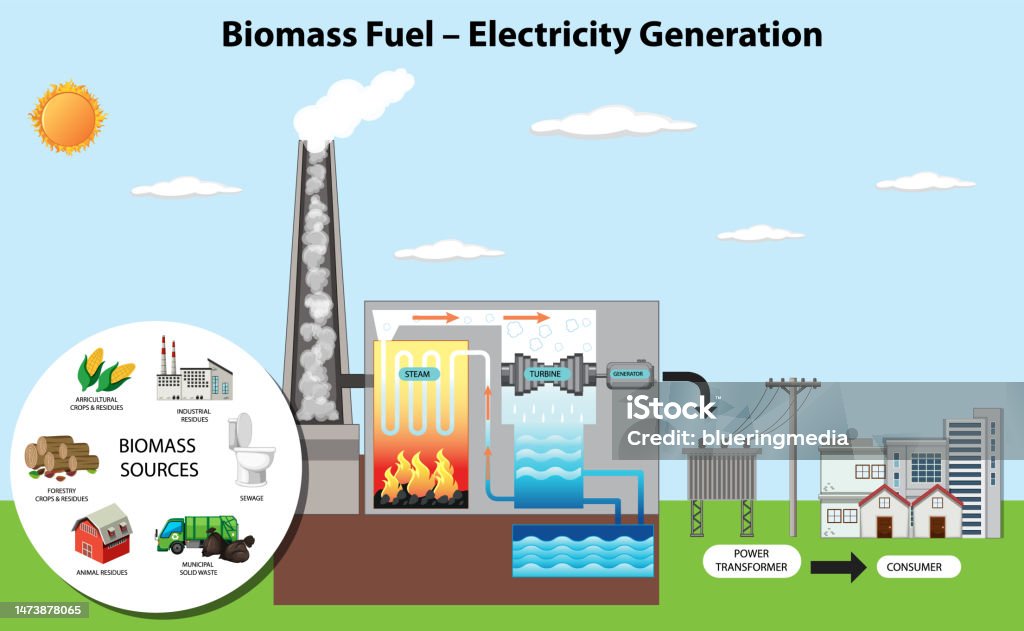
So, what exactly are we throwing into this renewable energy stew? A whole lot of things, actually! You've got your agricultural residues, like corn stover (the stalks and leaves after harvest) or wheat straw. Then there’s forest waste – all those fallen branches, sawmill scraps, things that aren't good for lumber. Don't forget energy crops, like switchgrass or dedicated short-rotation trees, grown specifically for energy. And, of course, a big one: municipal solid waste, or MSW. Yep, your trash can be energy! Who knew being a litterbug was so... inefficient?
Method One: The Ol' Campfire Trick (but way more advanced)
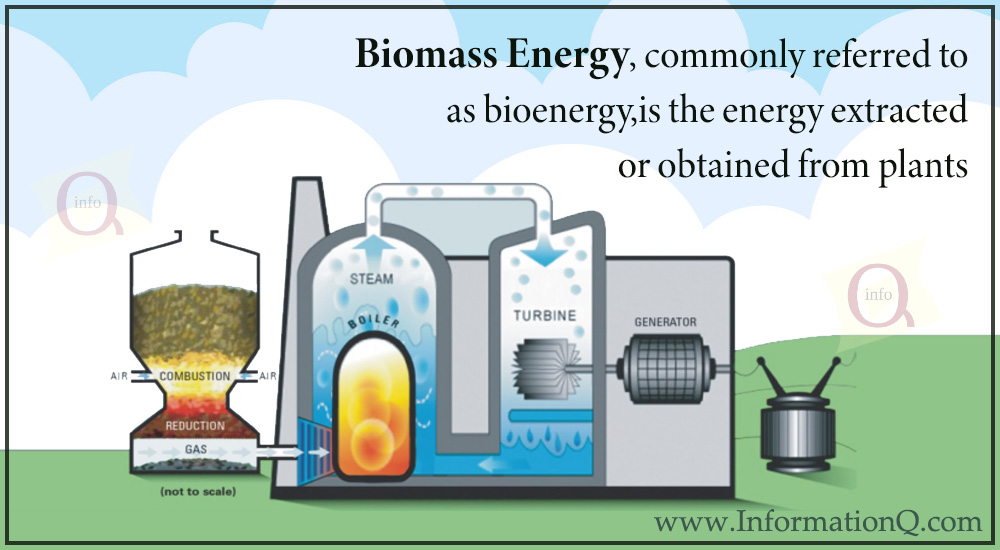
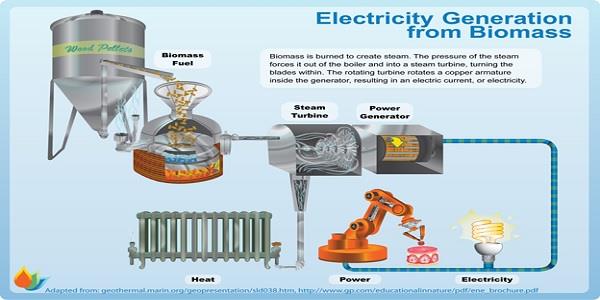
The simplest way to get energy from biomass is to just... well, burn it. This is called direct combustion. Think of it like a really big, really efficient campfire in a power plant. You take all that lovely biomass, dry it out, and then burn it in a boiler. The heat from that fire boils water, creates steam, and that steam drives a turbine. Turbine spins, generator hums, electricity happens. Ta-da! It’s straightforward, right? A bit like cooking with fire, but instead of s'mores, you get power for your phone charger.
Method Two: Baking Without Oxygen (aka Thermochemical Conversion)
This is where things get a little more sophisticated, but still totally understandable. Instead of just burning the biomass outright, we heat it up in a very controlled way. There are a couple of cool tricks here:
Pyrolysis: The "Baking" Method
Imagine you're baking something, but without oxygen. Crazy, right? That’s essentially pyrolysis. You heat biomass to high temperatures (like, 400-600°C) in an environment with little to no oxygen. Instead of bursting into flames, it breaks down into a few different products: a liquid called bio-oil (which can be refined into fuel), a solid called biochar (great for soil, actually!), and some gases. It’s like a magical decomposition process, but super fast and useful!
Gasification: The "Controlled Burn" for Gas
Then there’s gasification. This is similar to pyrolysis, but with a little bit of oxygen – just enough for a partial burn. You heat the biomass (again, high temps!) with a controlled amount of air or oxygen. What you get isn’t fire, but a synthetic gas called syngas (or producer gas). This syngas is a blend of hydrogen, carbon monoxide, and methane. And guess what? You can burn that syngas in engines or gas turbines to generate electricity. It’s like making a special "fuel gas" from solid stuff. Pretty clever, huh?
Method Three: Letting Nature Do Its Thing (aka Biochemical Conversion)
This method is super cool because it relies on tiny, microscopic helpers: bacteria and yeast! They're like the unsung heroes of biomass energy.
Anaerobic Digestion: Poop Power!
Okay, this one is probably the most famous for using... well, poop. But it’s not just animal manure; it can be food waste, wastewater sludge, you name it. In anaerobic digestion, you put organic material into a sealed tank (an "anaerobic digester") with no oxygen. Then, special bacteria get to work, breaking down the material. As they munch away, they produce a gas called biogas, which is mostly methane (CH4) – the same stuff in natural gas! You can then capture that biogas and burn it for electricity or heat. So yeah, cow poop can literally power your lights. Mind-blowing, right?
Fermentation: Alcohol, but for Your Car!
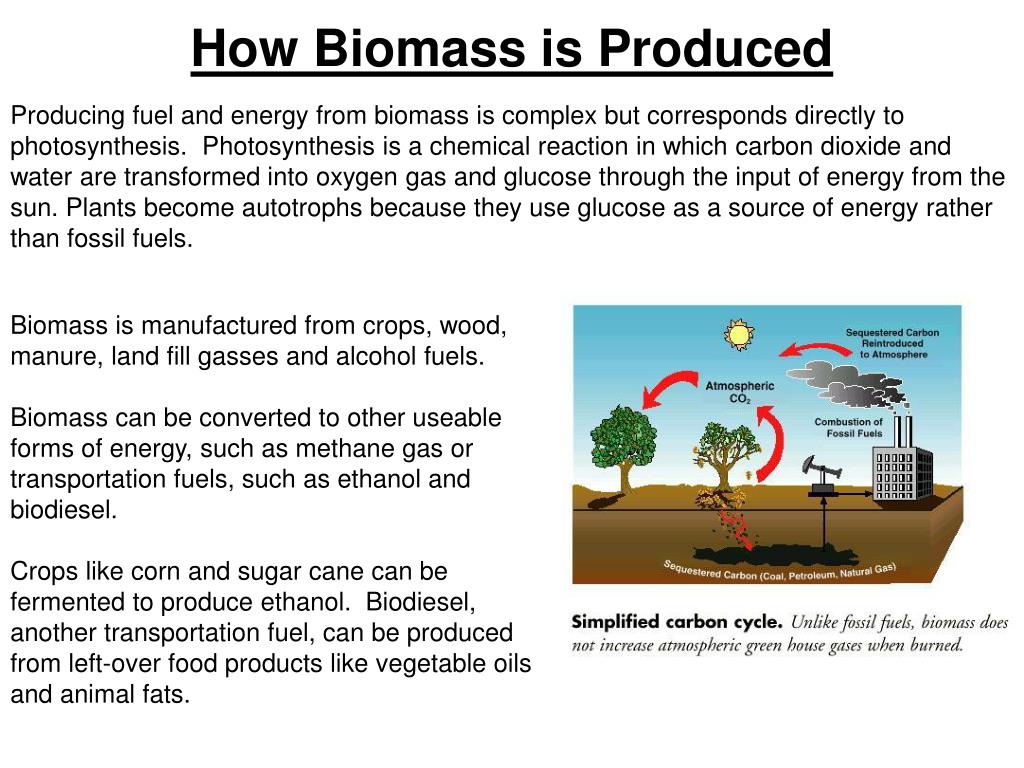
Ever made beer or bread? Then you understand fermentation! It's the same principle here. For biomass energy, we're talking about taking crops rich in sugars or starches (like corn or sugarcane) and letting yeast convert those sugars into alcohol, specifically ethanol. This bioethanol can then be blended with gasoline for cars, reducing our reliance on fossil fuels. So, in a way, you could say biomass energy is partially powered by... yeast parties? I mean, kinda!
The Whole Process: From Field to Power
No matter which method is chosen, it usually starts with harvesting and collection of the biomass. Then comes pre-treatment: drying it out, chipping it into smaller pieces, maybe even pelletizing it to make it denser and easier to transport and store. Think of it like preparing your ingredients before you start cooking. After that, it goes into one of the conversion processes we just talked about, and boom! Energy!
So, there you have it. From a pile of wood chips to powering your Netflix binge, biomass energy is a pretty versatile and fascinating way to tap into nature's own stored solar energy. It's not a magic bullet, of course, but it's a super important piece of the puzzle in building a more sustainable future. Pretty neat for a bunch of "leftovers," wouldn't you say?