
How Do You Make A 3d Printer
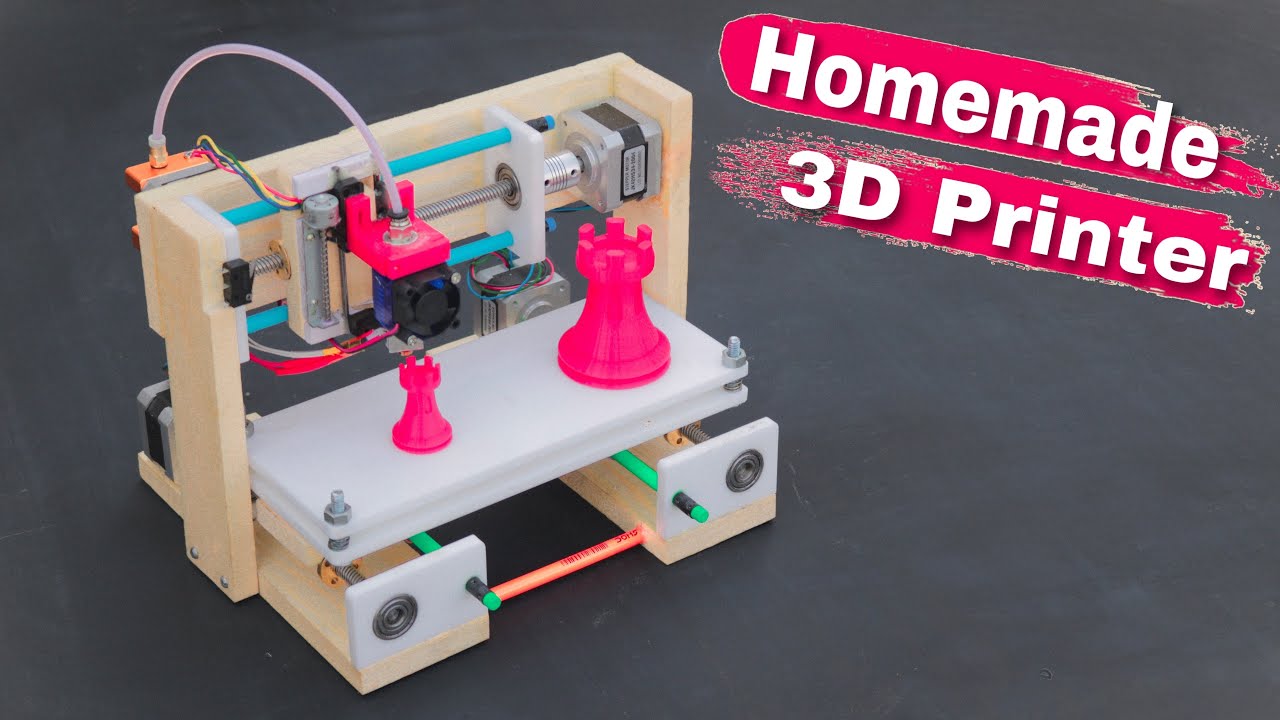
Ever looked at a futuristic gadget or a quirky custom part and thought, "Wow, I wish I could just make that"? In today's incredible world, you totally can, and the gatekeeper to that magic is often a 3D printer. But what if I told you that getting one doesn't always mean buying off the shelf? What if you could actually build your own? It sounds like something out of a sci-fi movie, but it's a wonderfully tangible, surprisingly accessible project that's way more rewarding than you might imagine.
Why Venture into the Build?
"Why bother," you ask, "when I can just order one?" Great question! For starters, building your own 3D printer can be significantly more cost-effective than buying a pre-assembled, high-quality machine. You get to understand every single component, allowing for easier troubleshooting and future upgrades. It’s like assembling your own bespoke furniture versus buying flat-pack – you get to choose the wood, the joinery, the finish. Plus, there’s an undeniable satisfaction in printing your first object on a machine you literally brought to life. It’s a badge of honor in the maker movement!
The "Recipe" for a Desktop Dynamo
Think of making a 3D printer like baking a delicious, tech-filled cake. You need several key ingredients, each playing a crucial role.
Must Read
First up, the Frame. This is your printer's backbone. It needs to be sturdy and stable to ensure precise prints. Common choices range from robust aluminum extrusions (think sophisticated LEGOs for adults) to laser-cut acrylic or even wood. The stronger and more rigid your frame, the better your prints will be.
Next, we need Motion Systems. Picture tiny, tireless workhorses moving the print head with incredible precision. This involves stepper motors (the unsung heroes of robotics), belts, pulleys, and smooth rods or linear rails. These components work in perfect sync, often guided by open-source firmware like Marlin or Klipper, to place molten plastic exactly where it needs to be, layer by painstaking layer.
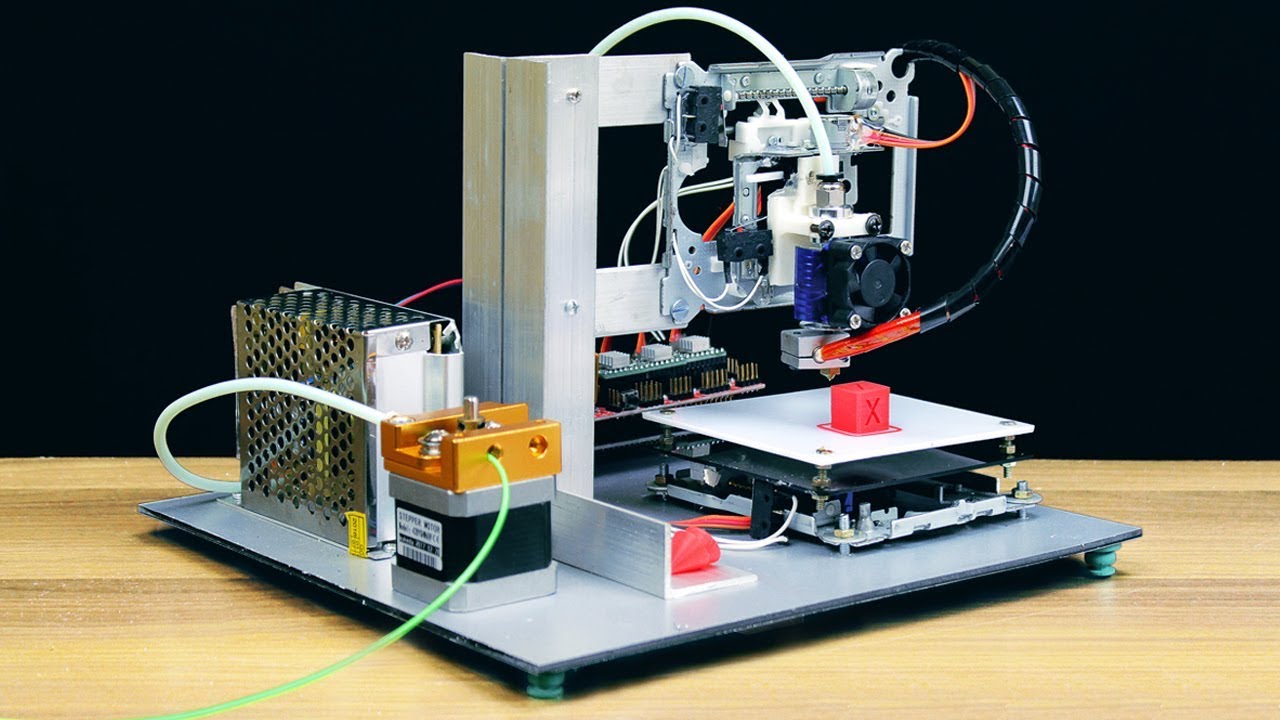
Then there's the star of the show for any FDM (Fused Deposition Modeling) printer: the Extruder Assembly. This is where the magic really happens. It consists of a "cold end" (which feeds the plastic filament) and a "hot end" (which melts it). The hot end typically includes a heater block, a tiny nozzle (often brass or hardened steel), and a thermistor to monitor temperature. It's truly a marvel of micro-engineering!
Bringing all this to life are the Electronics. This is the printer's brain and nervous system. You'll need a controller board (like an Arduino-based RAMPS setup or a more modern 32-bit board like an SKR), power supply unit (PSU) to juice it all up, and a tangle of wires connecting everything. This is where you'll spend some quality time with schematics, ensuring everything is wired correctly and safely.
Your DIY Journey: Tips from the Trenches
So, where do you start?
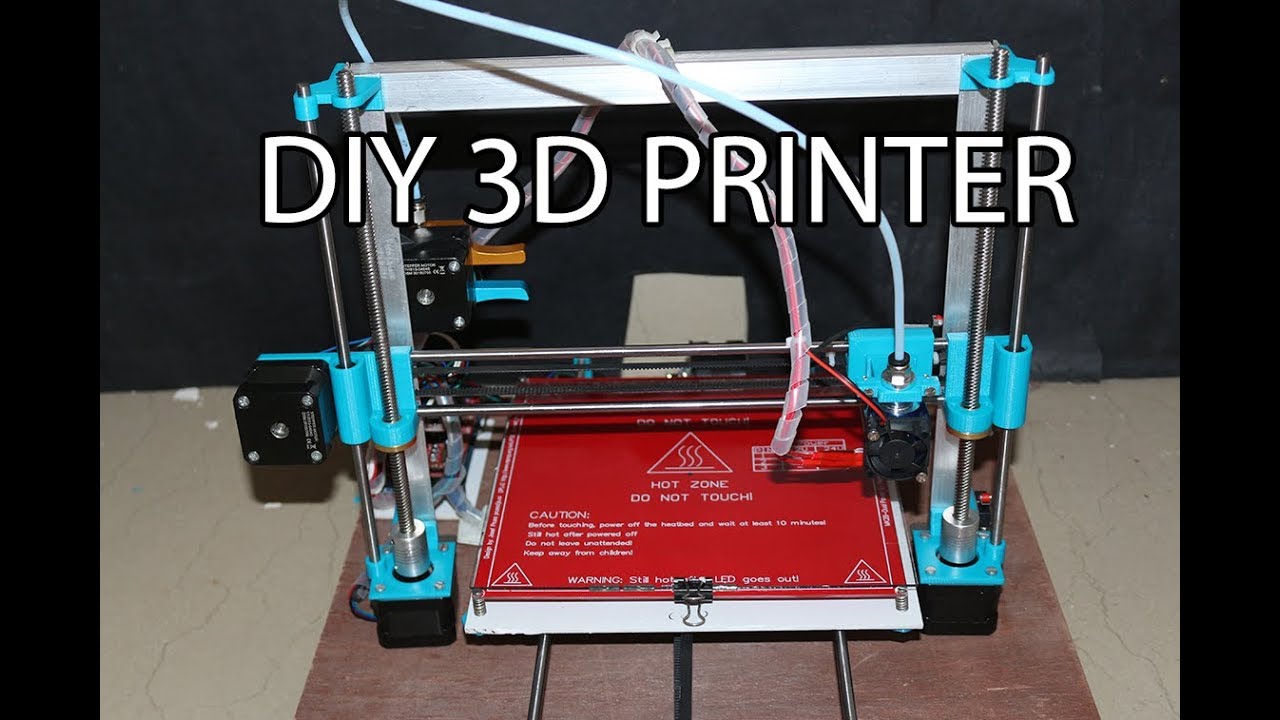
1. Research, Research, Research: Dive into online forums like Reddit's r/3Dprinting, YouTube tutorials, and dedicated maker blogs. The RepRap project is a fantastic cultural touchstone here – it's an open-source initiative to create self-replicating machines, and it's the grandfather of many DIY printer designs today.
2. Kit or Scratch? For your first build, a kit is highly recommended. These come with all the parts, often pre-drilled or cut, and step-by-step instructions. It’s like building an advanced IKEA project – challenging but doable. Going from scratch means sourcing individual components, which offers ultimate customization but also significantly more complexity.
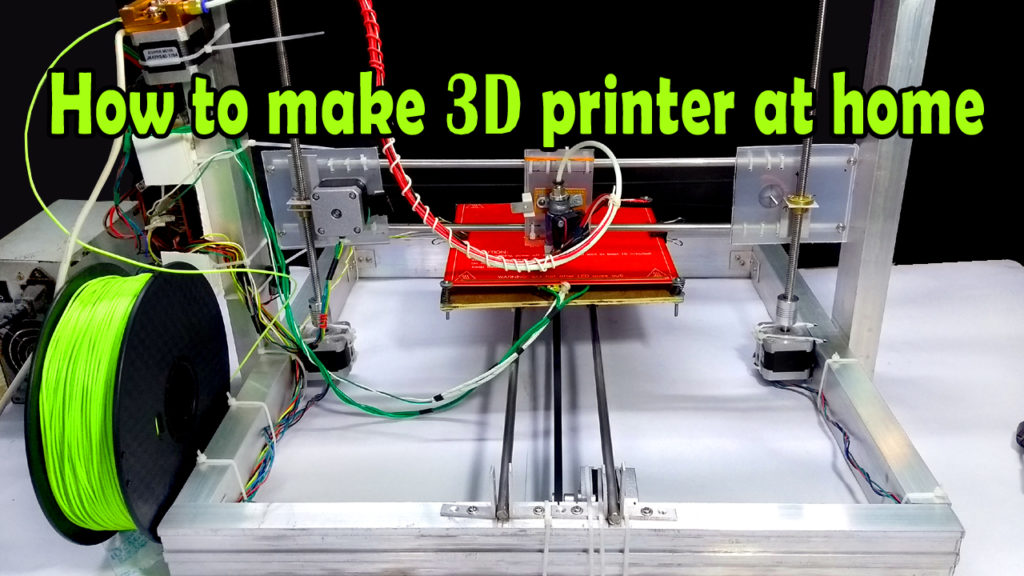
3. Assembly is Key: Take your time. Double-check every connection. The physical build is incredibly satisfying. Once assembled, you’ll flash the firmware (the printer’s operating system) and begin the crucial process of calibration. This involves leveling the print bed (a frequent point of discussion and mild frustration among 3D printer users!) and fine-tuning temperatures and speeds.
Fun Fact: The most common filament type, PLA (Polylactic Acid), is biodegradable and made from renewable resources like corn starch. Talk about eco-chic tech!
The Reflection: More Than Just a Machine
Building a 3D printer isn't just about constructing a device; it's about building skills. You'll learn about mechanics, electronics, software, and problem-solving. It fosters patience, attention to detail, and a deep understanding of how complex systems work. In a world increasingly dominated by ready-made solutions, the act of making something from its fundamental parts reminds us of our innate human capacity for creation and innovation. It’s a powerful feeling, a quiet triumph that echoes the simple joy of fixing a leaky faucet or baking a perfect sourdough loaf. You don't just print objects; you print possibilities, fueled by your own two hands and a bit of curious spirit.
