How Do You Know What Size Welding Wire To Use
Okay, so you're staring at a spool of welding wire, right? It's all shiny and coiled, promising glorious welds. But then you realize…it's got a number on it. Like, a real number. And suddenly, the glorious weld future fades and you're back to wondering: "Wait, what size welding wire do I even need?" Been there. We've all been there. It's like trying to figure out what size wrench you need after you've already rounded off the bolt. Utter frustration.
Choosing the right size welding wire isn't rocket science, but it is important. Think of it like this: using the wrong wire size is like trying to spread peanut butter with a garden trowel. Sure, maybe you could get it done, but it's going to be messy, inefficient, and you'll probably end up with peanut butter in places you never intended. With welding, the mess is spatter, the inefficiency is a weak weld, and the unintended places are, well, everywhere else.
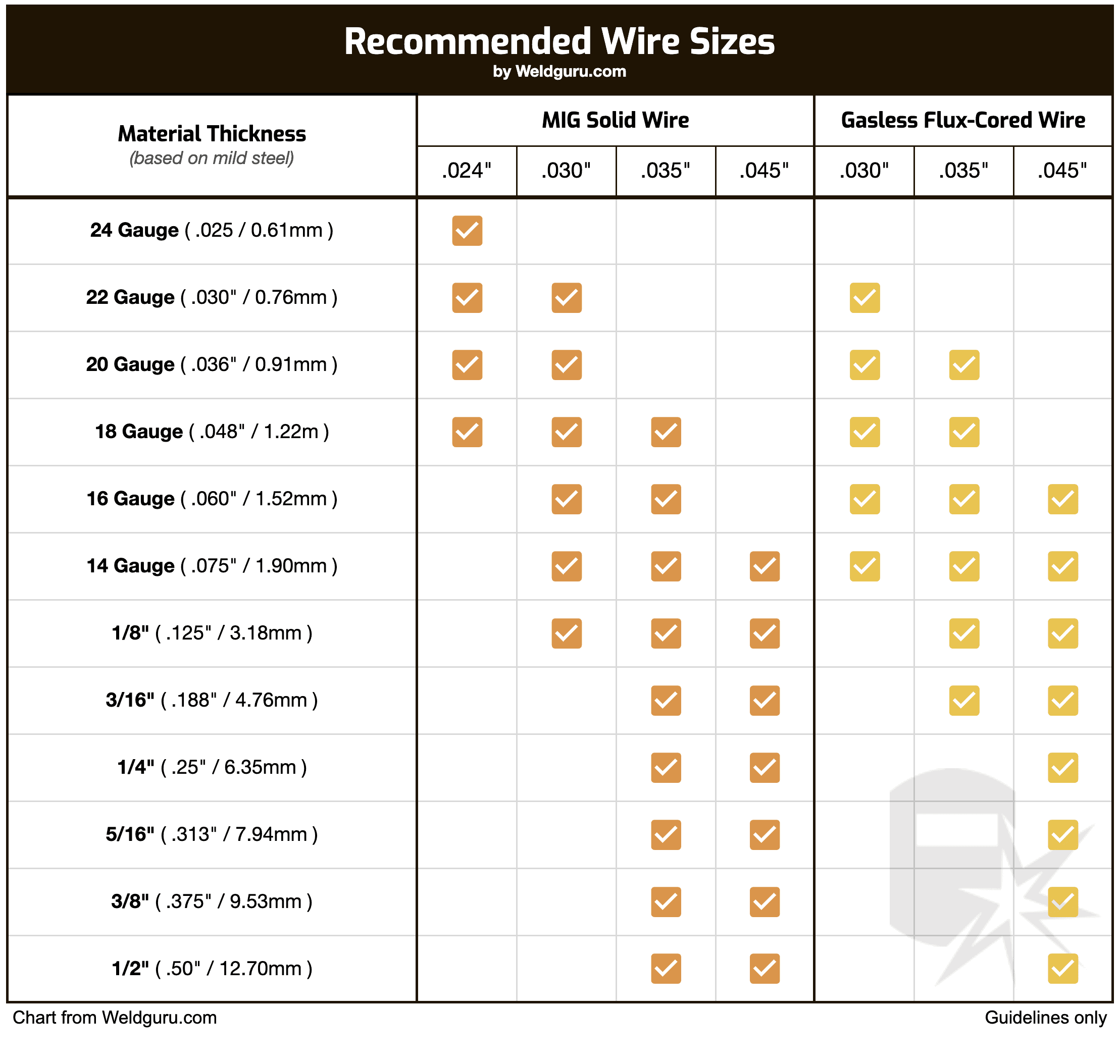
Thickness is King (and Queen)
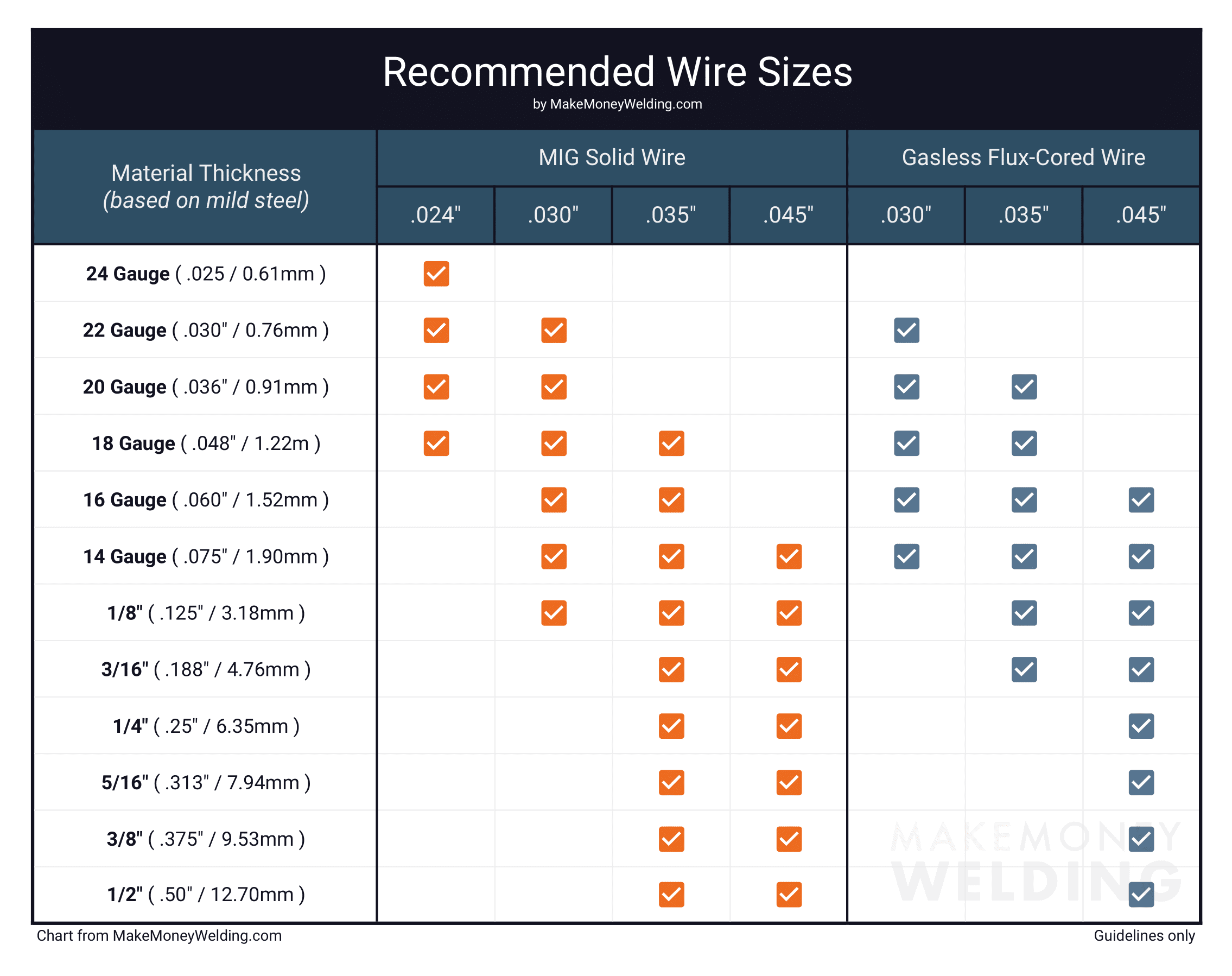
The main thing that dictates your welding wire size is the thickness of the metal you're welding. Thicker metal needs more heat to properly melt and fuse together. And guess what delivers that heat? Yep, your welding wire. A thicker wire can carry more current (amps), which creates more heat. It’s all very scientific, but think of it like this: a tiny wire is like a little campfire – good for marshmallows, not so good for melting down a car.
Must Read
As a general rule of thumb:
- Thin Metal (like, say, 1/8" or less): You'll likely be in the .023" - .030" range. Think auto body panels, sheet metal projects, and the like. These wires are like little hummingbirds, zipping along with precision.
- Medium Metal (1/8" to 1/4"): This is where the .030" - .035" wires shine. Good for general fabrication, brackets, and most everyday welding tasks. This is your all-purpose, "gets the job done" kind of wire.
- Thick Metal (over 1/4"): Time to break out the big guns – .045" and up. Think heavy equipment repair, structural steel, and anything that needs serious strength. These are your heavy lifters, ready to melt some serious metal.
See? Not too scary, right?
![Welding Cable Sizes and Gauges - explained Thoroughly [2025]](https://weldingpros.net/wp-content/uploads/2022/03/welding-cables-sizes-and-gauges-explained.webp)
Amperage: The Unsung Hero
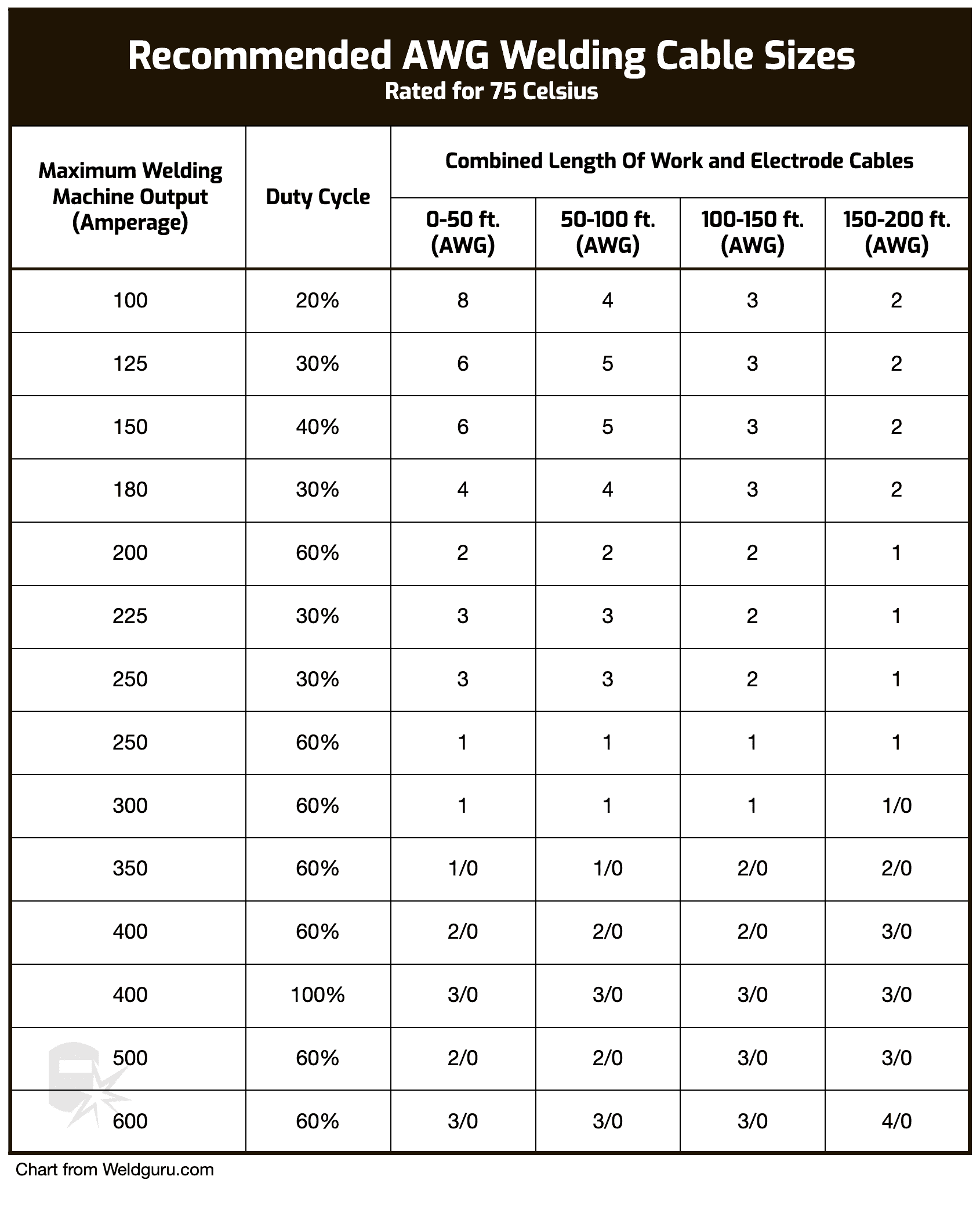
While metal thickness is the main driver, your welding machine's amperage also plays a role. You need to choose a wire size that your machine can handle. Too small a wire and you might not get enough heat, even at max amps. Too large a wire and you'll be sputtering and stuttering like a car with bad gas. It’s like trying to power a mansion with a AA battery – it just won't work.
Most welding machines have a chart on the inside of the wire feeder that shows recommended wire sizes and amperage ranges. Definitely check that out. It's like a cheat sheet for success. Treat it with the respect it deserves.
Practice Makes Perfect (and Reduces Spatter)
Ultimately, the best way to figure out what size welding wire works best for you is to practice. Grab some scrap metal of varying thicknesses and experiment. See what works, what sputters, and what creates a beautiful, consistent bead. Welding is a craft, and like any craft, it takes practice to master.
Don’t be afraid to mess up! We've all laid down some ugly welds in our time. The key is to learn from those mistakes, adjust your settings, and keep practicing. So go on, grab some wire, fire up your welder, and start melting some metal. You've got this! And if you don't, well, there's always YouTube. Just kidding… mostly.
Pro-Tip: Always double check the wire specification on your welding machine to ensure it meets the requirements of the chosen welding wire.