
How Do You Know If Your Water Heater Is Broken
Okay, let's talk water heaters. I know, not exactly the most thrilling topic, right? But trust me, a happy water heater equals a happy you. Think about it: hot showers after a long day, clean dishes gleaming in the sink, a washing machine that actually cleans your clothes... all powered by that unsung hero tucked away in your basement or closet.
So, how do you know if your aquatic workhorse is starting to act up? It's not always a dramatic explosion (although, yikes, let's hope it never gets to that!). Often, it's subtle clues that whisper, "Hey, something's not quite right here." Let's decode those whispers!
The Cold Shoulder (Or Lukewarm Hug)
The most obvious sign? You turn on the hot water tap and... nothing. Or worse, a sad trickle of lukewarm water. It's like expecting a warm hug and getting a distant pat on the back. Disappointing, to say the least!
Must Read
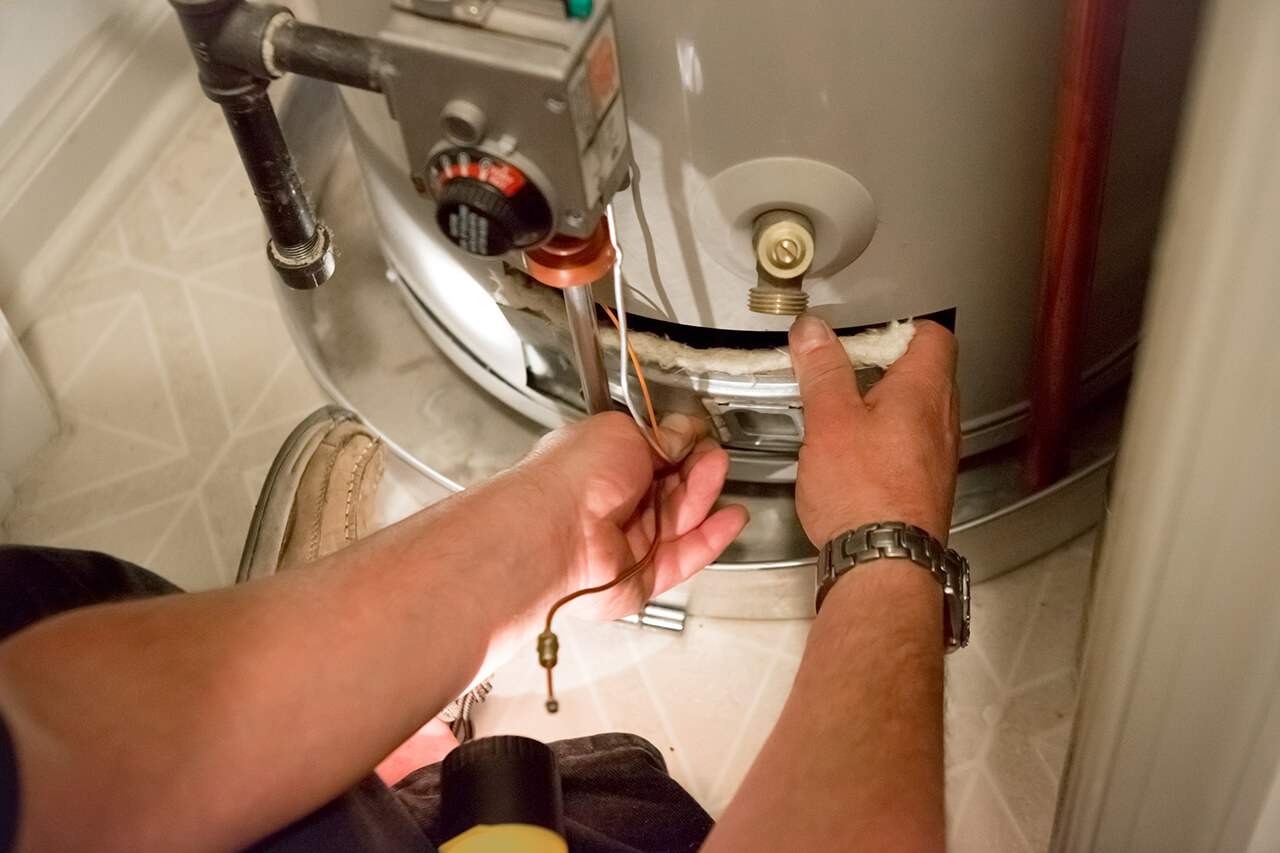
Inconsistent water temperature is a big red flag. One day, you're singing in the shower, the next you're doing a penguin impression because the water turned arctic mid-song. This could be a faulty thermostat, a sediment buildup issue, or even a problem with the heating element itself.
Think of it like this: your water heater is like a giant kettle. If the heating element (the part that boils the water) is broken, you're not getting that nice, steamy goodness you're expecting.
The Rusty Truth
Another telltale sign? Rusty or discolored water. Imagine filling a pristine white bathtub, only to see the water slowly turn the color of iced tea. Not exactly relaxing, is it?
Rusty water usually means one of two things: either your pipes are rusting (a problem in itself), or the tank of your water heater is corroding. If it's the tank, unfortunately, it might be nearing the end of its lifespan. Time to start thinking about a replacement.
Why should you care? Well, aside from the fact that rusty water is just plain icky, it can also stain your clothes, fixtures, and even your hair! Nobody wants orange hair after a supposedly refreshing shower. Plus, that rust can eventually lead to leaks and further damage.
The Mysterious Noises
Is your water heater suddenly channeling its inner gremlin? Strange noises like banging, popping, rumbling, or hissing are definitely cause for concern.
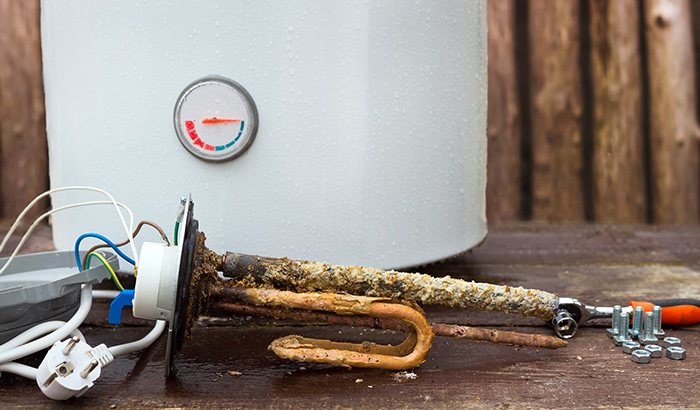
That rumbling sound? That's often sediment buildup at the bottom of the tank. Over time, minerals in the water settle and create a thick layer of gunk. This sediment can overheat, causing those noises. Think of it like trying to cook pasta in a pot with a layer of burnt food at the bottom – not a pretty sound (or taste!).

Why is this important? Because that sediment can not only reduce the efficiency of your water heater, but it can also damage the tank and shorten its lifespan. Regular flushing can help prevent this buildup.
The Puddle of Doom
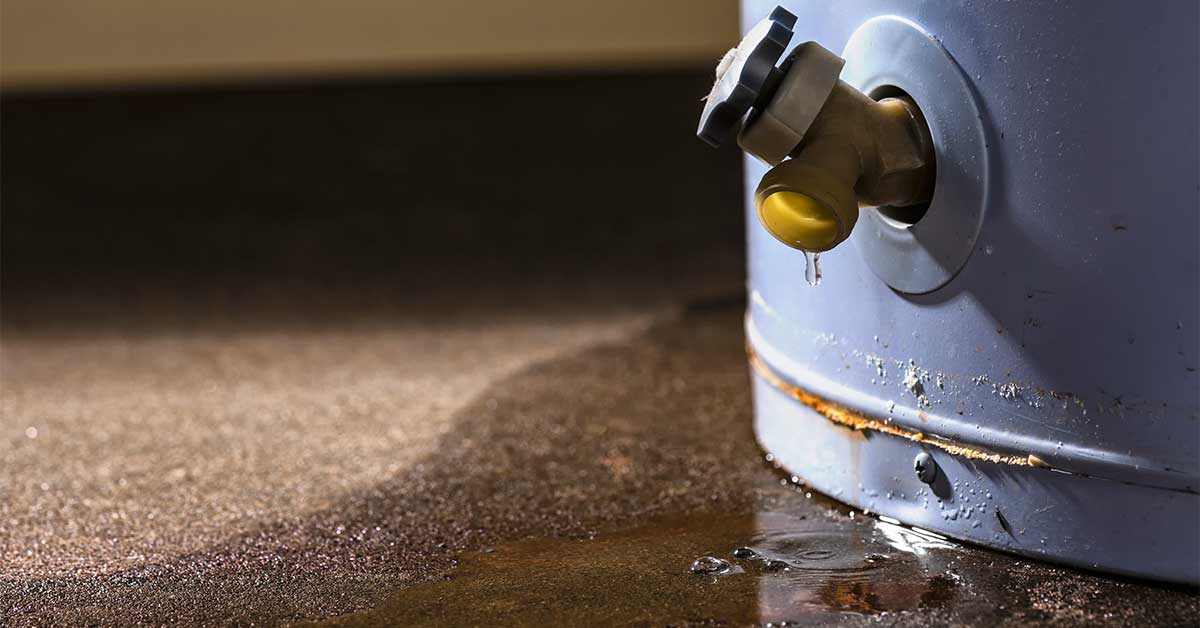
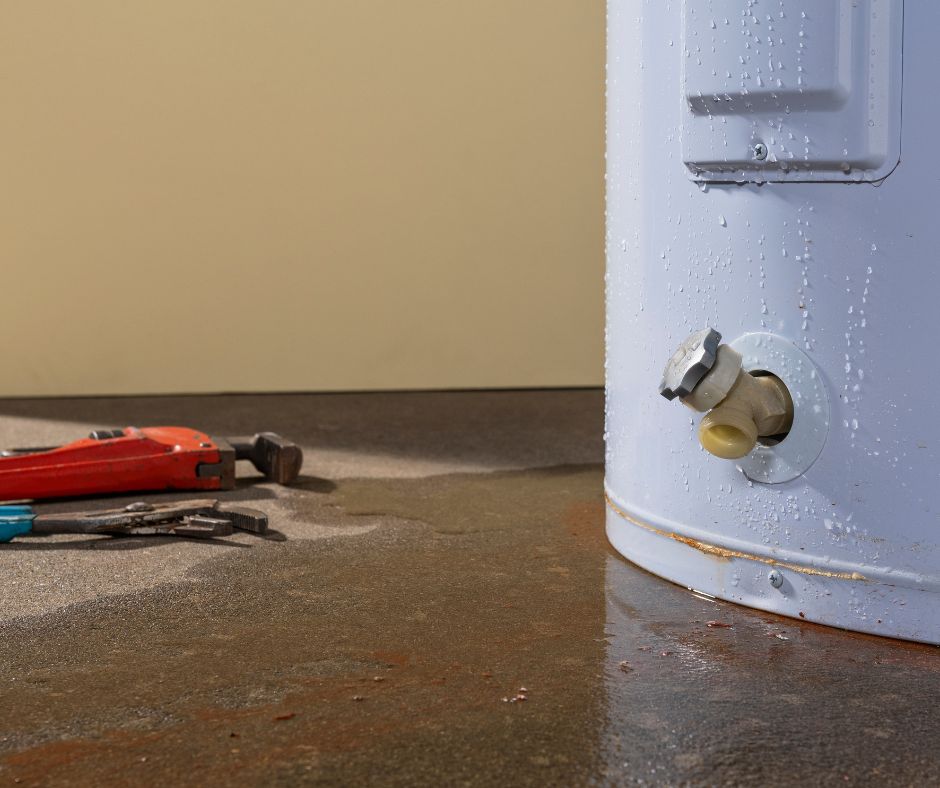
This one's pretty self-explanatory. Water leaking around your water heater is a major problem. Don't ignore it! Even a small puddle can indicate a serious issue, like a crack in the tank or a loose connection.
Imagine waking up to find your basement flooded because of a leaky water heater. Not only is it a huge mess to clean up, but it can also lead to water damage, mold growth, and expensive repairs. A small leak can quickly turn into a big (and costly) disaster.
The Age Factor
Finally, consider the age of your water heater. Most water heaters have a lifespan of 8-12 years. If yours is nearing that age, or even older, it might be time to start planning for a replacement, even if it seems to be working fine. It's like an old car – eventually, things are going to start breaking down.
You can usually find the manufacturing date on a sticker on the side of the water heater. If you can't find it, or if you're unsure, call a plumber to inspect it. They can assess the condition of your water heater and give you an honest opinion about its remaining lifespan.
So, there you have it! Keep an eye (and ear) out for these warning signs, and you'll be able to catch problems early and avoid a potentially costly and inconvenient water heater breakdown. Remember, a little preventative maintenance can go a long way in keeping your hot water flowing and your showers steamy!