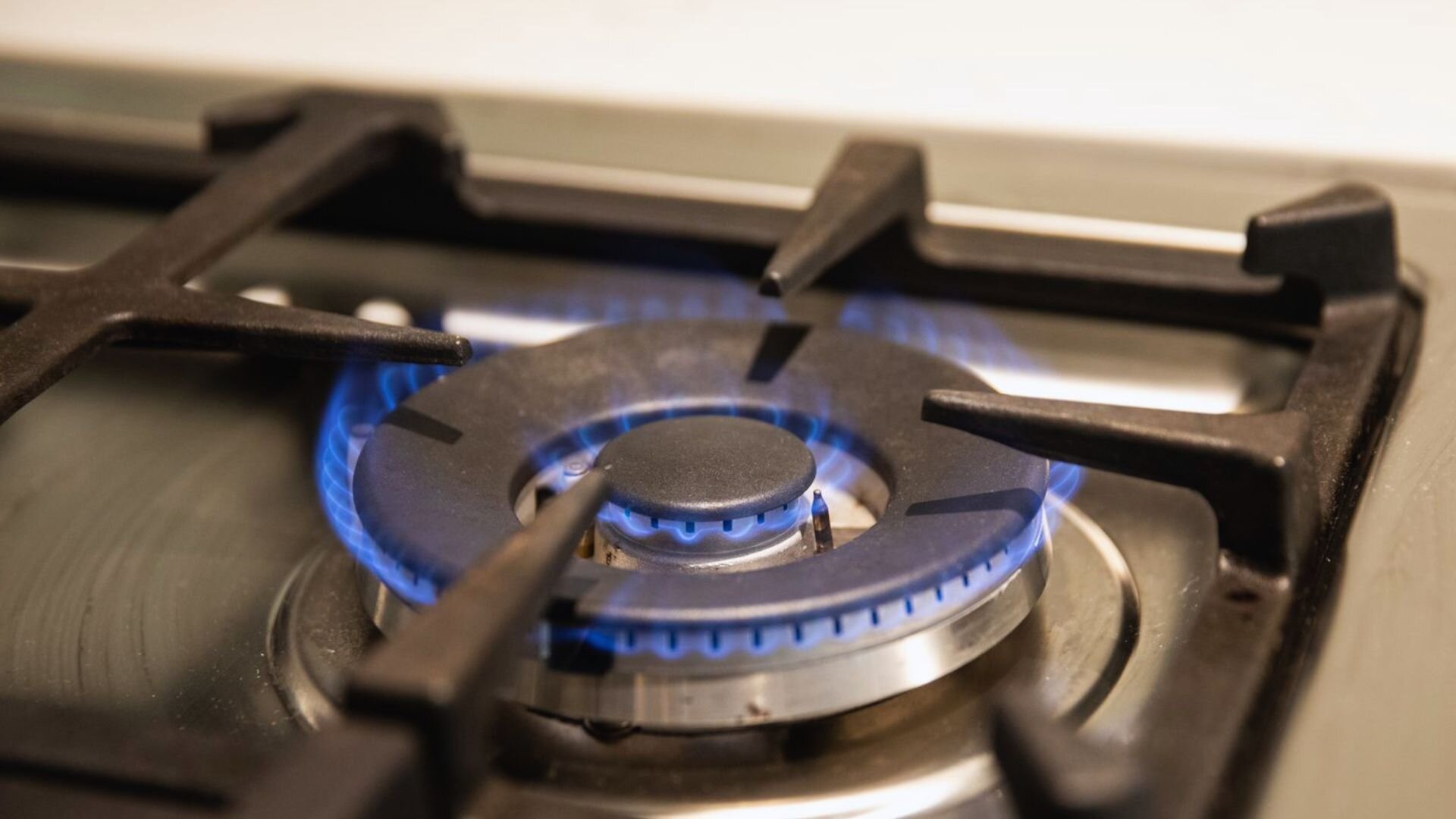
How Do You Know If Your Stove Is Leaking Gas

Okay, so picture this: I'm making my world-famous (according to me and my dog) spaghetti carbonara. Suddenly, I get this whiff. Not the yummy, garlicky, bacon-y kind, but something...off. Like rotten eggs had a baby with a skunk. My first thought? The dog did something. Again. But then it hit me. That smell...was familiar. Dreadfully familiar. It was gas. Leaking gas. Cue the panic. (Don't judge, carbonara is serious business.)
Turns out, it wasn't the dog. And it was a gas leak. So, how do you know if your stove is leaking gas before you're face-to-face with a potential carbonara-ruining (and more importantly, dangerous) situation?
The Sniff Test: Your Nose Knows (Sometimes)
The most common way to detect a gas leak is, well, to smell it. Natural gas is naturally odorless. (Ironic, right?). Gas companies add a chemical called mercaptan to give it that distinctive sulfur-like, rotten egg smell. Think of it as a stink bomb for safety! If you suddenly smell this odor near your stove, oven, or gas line, your Spidey-sense (or maybe just your nose-sense) should be tingling.
Must Read
Important note: Not everyone can smell mercaptan. Some people have a reduced sense of smell (thanks, allergies!), and prolonged exposure can make you stop noticing the odor. So, even if you don't smell anything, don't automatically assume everything's A-Okay.
Let's be real, relying solely on your nose is like trusting a toddler to bake a cake. It might work, but you're probably going to end up with a mess.
The Soap Bubble Test: Bubbles Don't Lie
This is a simple and effective method, almost like a science experiment you can do at home! Mix some dish soap with water (equal parts works best). Turn off your stove. Then, using a sponge or spray bottle, apply the soapy water to the gas line connections, the burner bases, and any other areas where gas might be leaking. Watch closely.
If you see bubbles forming and growing, that's a big red flag. It means gas is escaping and creating those soapy little evidence bombs. Congratulations (sort of), you've found a leak! Don't poke the bubbles; just calmly admire your detective work... then immediately turn off the gas at the main valve and call a professional.
The Visual Inspection: Eyes Peeled
Sometimes, you can spot a leak just by looking. Check the gas line for any signs of damage, like kinks, cracks, or rust. Examine the connectors and fittings to make sure they're tight and secure. Look for any dirt or debris buildup around the gas line, which could indicate a slow leak that's been attracting dust particles. It's like spotting a tell-tale stain on your favorite shirt.
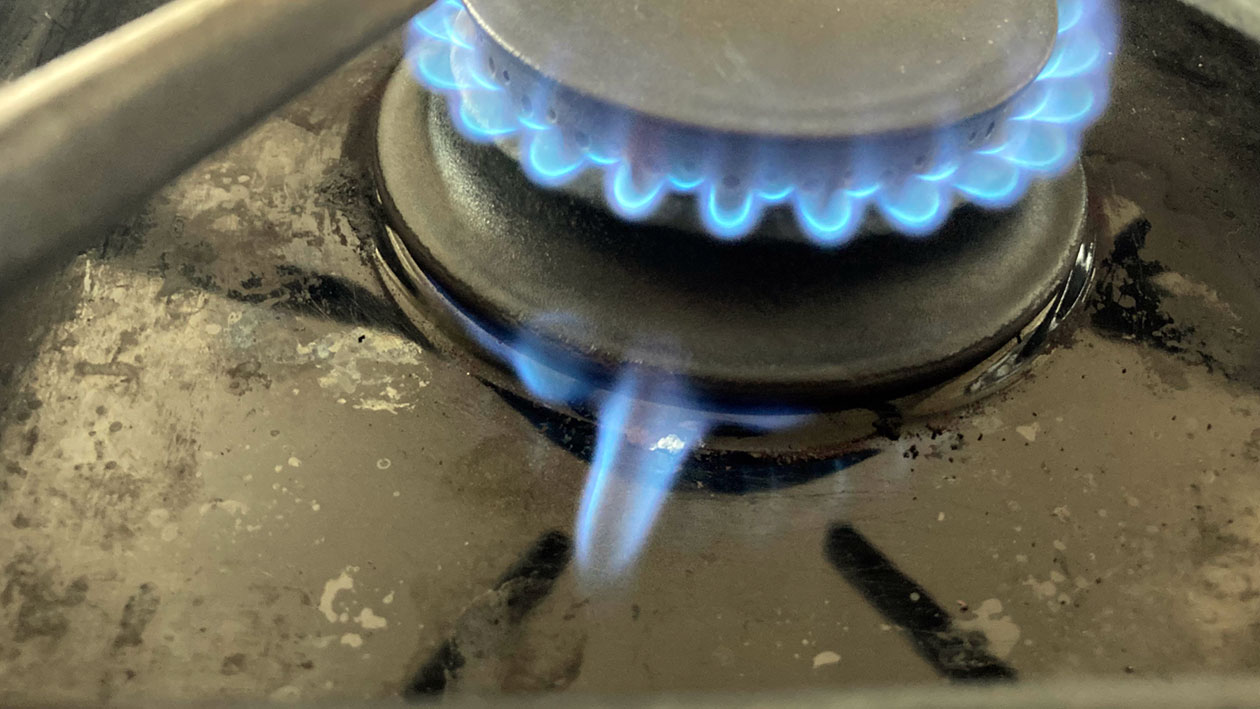
Pro-tip: Use a flashlight to get a good look at those hard-to-reach areas behind the stove.
The Pilot Light Plight: Is It Behaving?
If your stove has a pilot light (some older models do), keep an eye on it. A healthy pilot light should be a steady, blue flame. If it's yellow, flickering, or keeps going out, it could indicate a gas leak or other problem with the gas supply. It's like the pilot light is sending out an SOS signal!

But again, don't assume a blue flame means everything is perfect. (Trust me, I've learned the hard way that appliances are masters of deception.)
What to Do If You Suspect a Leak: Don't Panic (Too Much)
Okay, so you've smelled something suspicious, seen some bubbles, or noticed a dodgy pilot light. What now? First and foremost: DON'T PANIC. (Okay, maybe a little panic is allowed, but try to keep it under control.)
- Turn off the gas: Locate the main gas valve (usually near the meter) and turn it off.
- Open windows and doors: Ventilate the area to dissipate any accumulated gas.
- Evacuate: Get everyone (including the dog) out of the house.
- Call the professionals: Contact your gas company or a qualified gas appliance technician. Do this outside the house, using a cell phone or a neighbor's phone. Don't use any electrical devices inside the house, as they could create a spark and ignite the gas.
Seriously, folks, gas leaks are no joke. Carbonara can be replaced, a house that goes boom can't be (easily). Take any suspicion seriously and get it checked out by a professional. Your nose, your soapy water, and your common sense are your first line of defense!