How Do You Know If It's The Battery Or Alternator
Okay, let's face it, car troubles are about as fun as a root canal. But before you resign yourself to expensive mechanic bills, there's a common culprit you can often diagnose yourself: is it the battery or the alternator? Knowing the difference can save you serious cash and a whole lot of frustration. Think of it as DIY car maintenance for the mechanically challenged – and trust us, it's easier than you think!
Why should you care? Well, for the budget-conscious artist, the weekend hobbyist, or even just the casual learner, understanding basic car diagnostics is a surprisingly empowering skill. It allows you to avoid unnecessary repairs, negotiate better prices with mechanics if professional help is needed, and, honestly, impress your friends with your newfound automotive knowledge. Imagine being able to confidently say, "Nope, it's not the battery, definitely the alternator," instead of sheepishly admitting you have no clue what's going on under the hood. That's power!
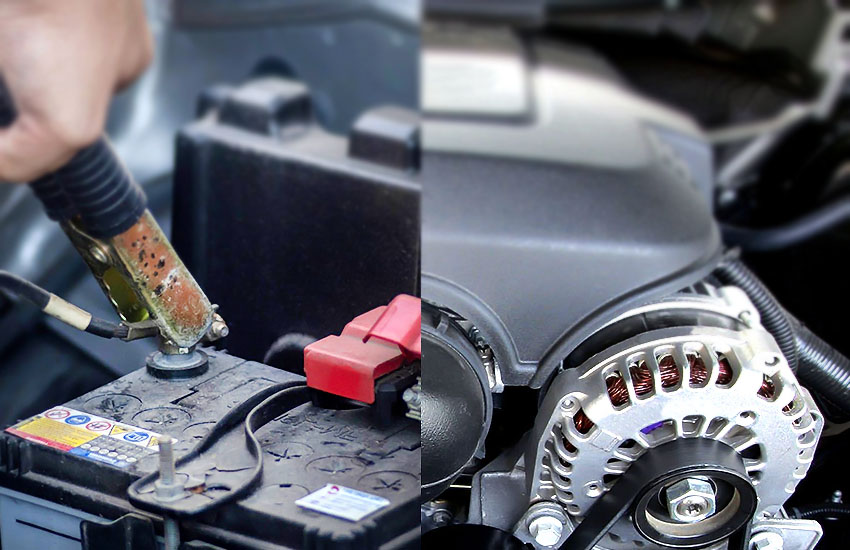
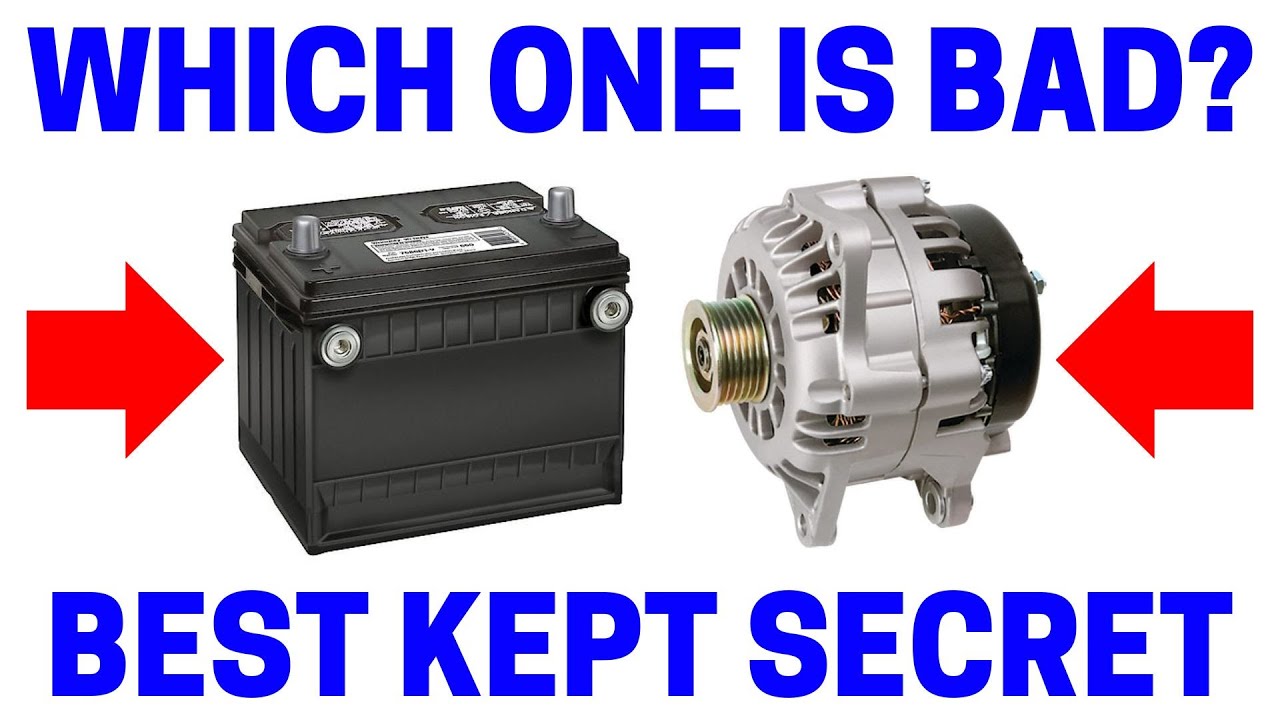
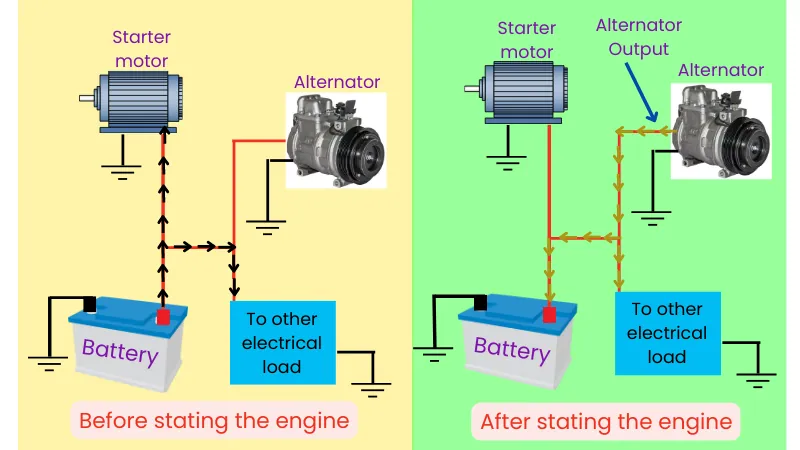
So, how do you tell the difference? Let's break it down. The battery's job is to start the car. The alternator, on the other hand, keeps the engine running and charges the battery while you drive. Think of it like this: the battery is the initial spark, and the alternator is the constant flame.
Must Read
Here's a simple test: Jump-start your car. If it starts with a jump but dies shortly after disconnecting the jumper cables, that's a strong indicator of a bad alternator. The battery got the engine going, but the alternator couldn't keep it running. If the car doesn't start even with a jump, the battery is likely the problem.
Another clue? Pay attention to your car's warning lights. A flickering battery light or a consistent "ALT" light (if your car has one) often points to an alternator issue. You might also notice dim headlights, slow power windows, or a struggling radio, all signs that the alternator isn't providing enough power. A dead battery, conversely, usually just presents as… well, nothing. Click-click-click silence.
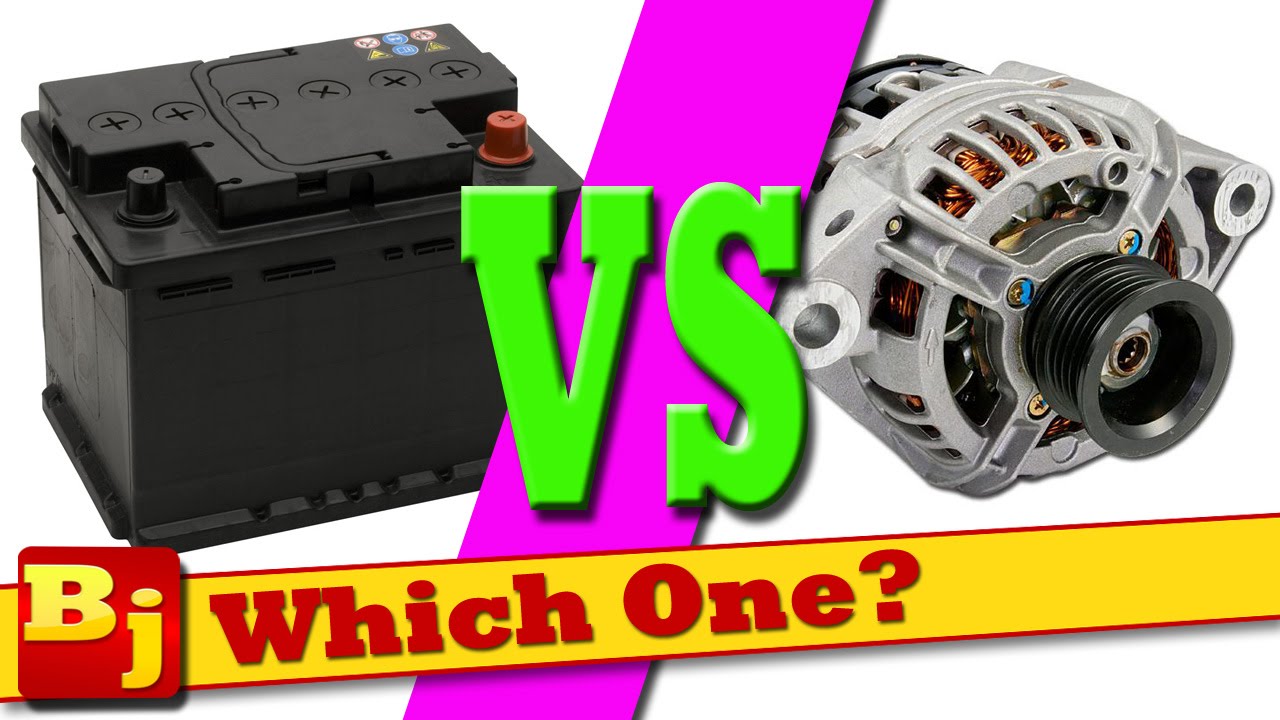
Tips for trying this at home: 1) Safety first! Always wear safety glasses and gloves when working around car batteries. 2) Have a multimeter handy. You can use it to check the voltage of your battery and alternator. A healthy battery should read around 12.6 volts when the engine is off. With the engine running, the alternator should be charging at around 13.5 to 14.5 volts. 3) Don't be afraid to ask for help! If you're unsure about anything, consult a trusted friend or mechanic.
Diagnosing car problems can seem daunting, but mastering the battery vs. alternator dilemma is a great place to start. Not only is it a practical skill, but it’s also incredibly satisfying to figure things out yourself. It transforms car trouble from a source of stress into a solvable puzzle – and who doesn't love a good puzzle?