
How Do You Hook Up A Generator To The House

Okay, let's talk generators. Blackouts are the worst, right? Suddenly, you're plunged into darkness. Your phone is dying. And the ice cream? Forget about it.
So, a generator seems like a lifesaver. But how do you actually use one? I mean, without, you know, accidentally setting your house on fire.
The Extension Cord Tango
Let's start with the obvious: extension cords! Yes, I know, it sounds simple. Plug the generator in, then plug your stuff into the cord.
Must Read
But wait! Before you string a million extension cords across your living room... Consider this your official disclaimer: this method is NOT ideal. Don't yell at me. Hear me out.
First, those cords get HOT. Especially when you're powering your fridge and your TV at the same time. Hello, fire hazard!
Second, it's just messy! Tripping hazards galore! You'll be dodging cords like you're in a low-budget action movie.
My Unpopular Opinion
Here's where I get controversial. Extension cords are fine for a lamp or charging your phone. But for serious power needs? I say, there's a better way.
I know, I know, the purists are screaming! But hear me out before you grab your pitchforks.
The "Slightly Less Scary" Approach: The Transfer Switch
Okay, this involves a little more effort. But trust me, it's worth it. We're talking about a transfer switch.
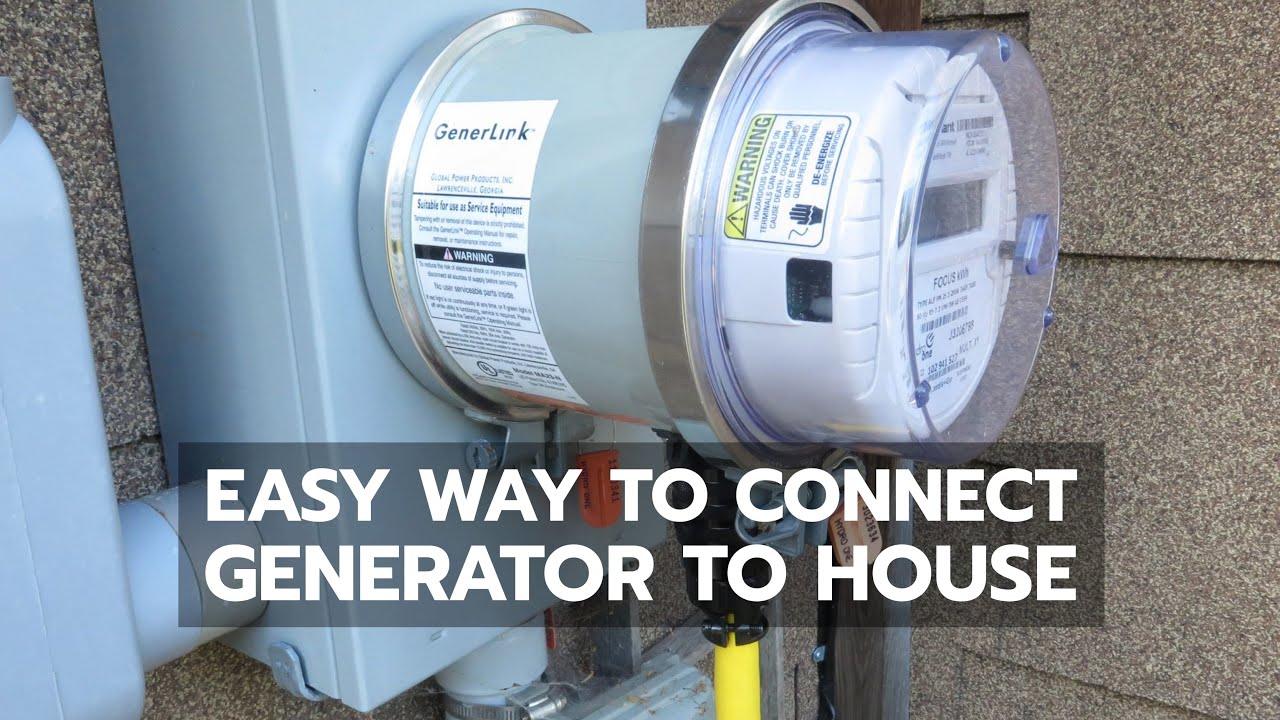
This little gadget is basically a middleman. It safely connects your generator to your home's electrical panel. No more extension cord chaos!
The key word here is safely. Because electricity is not something you want to mess with. Unless you enjoy the smell of burnt hair.
Is it Legal? Maybe!
Here's a fun fact: some places require a licensed electrician to install a transfer switch. Others don't. Check your local codes!
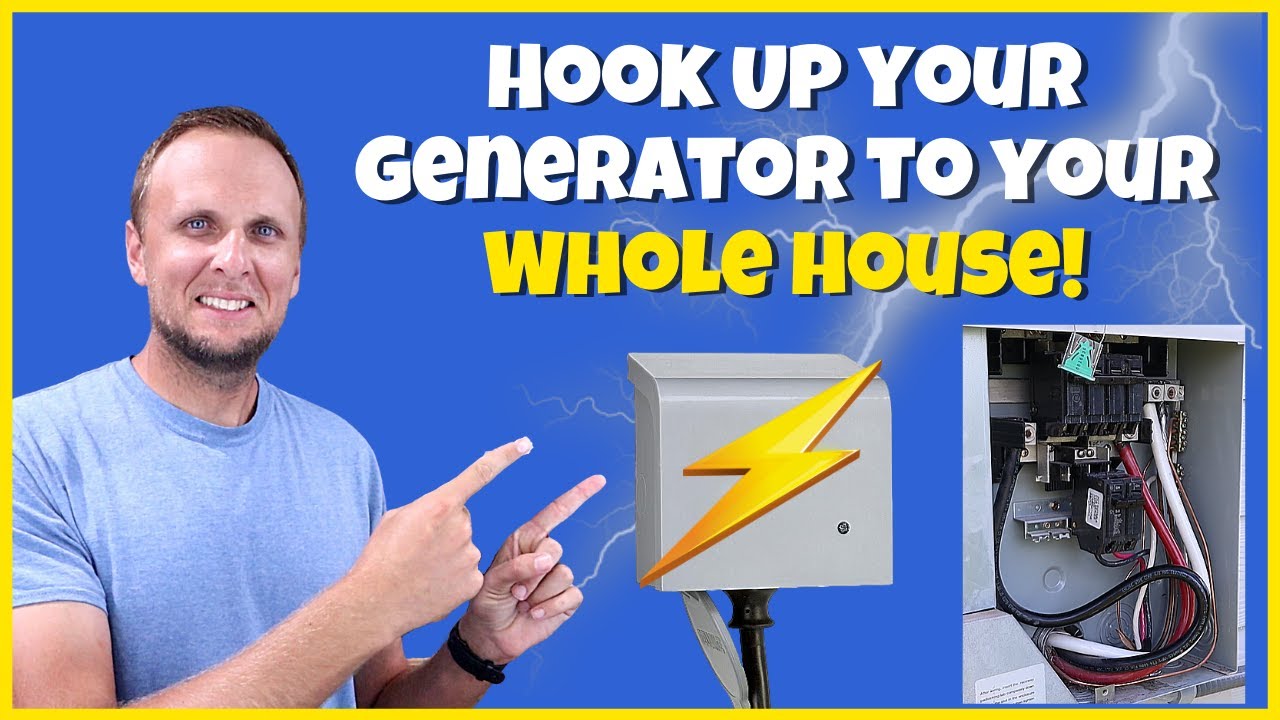
Don't be a cowboy. If you're not comfortable working with electricity, call a professional. Your house (and your eyebrows) will thank you.
Ignoring electrical codes can lead to serious consequences. Fines, fire, or electrocution are all possibilities.
The Backfeed Boogeyman
Now, let's talk about the dreaded backfeed. This is when electricity from your generator goes back into the power grid.
Why is that bad? Well, for starters, it can electrocute utility workers who are trying to fix the power lines. Not cool.
A transfer switch prevents backfeeding. It isolates your home's electrical system from the grid when the generator is running.
The Manual Switch: A Workout for Your Brain
There are two main types of transfer switches: manual and automatic. A manual switch requires you to flip a lever to switch between grid power and generator power.
Think of it as a little mental workout. Don't forget to flip the switch! Or else…nothing happens. You just sit in the dark. Which defeats the purpose of having a generator in the first place.
A manual switch is generally cheaper than an automatic one. Plus, you get the satisfaction of doing something yourself.
The Automatic Switch: For the Lazy (and Wealthy)
An automatic transfer switch does all the work for you. When the power goes out, it automatically starts the generator and switches over.
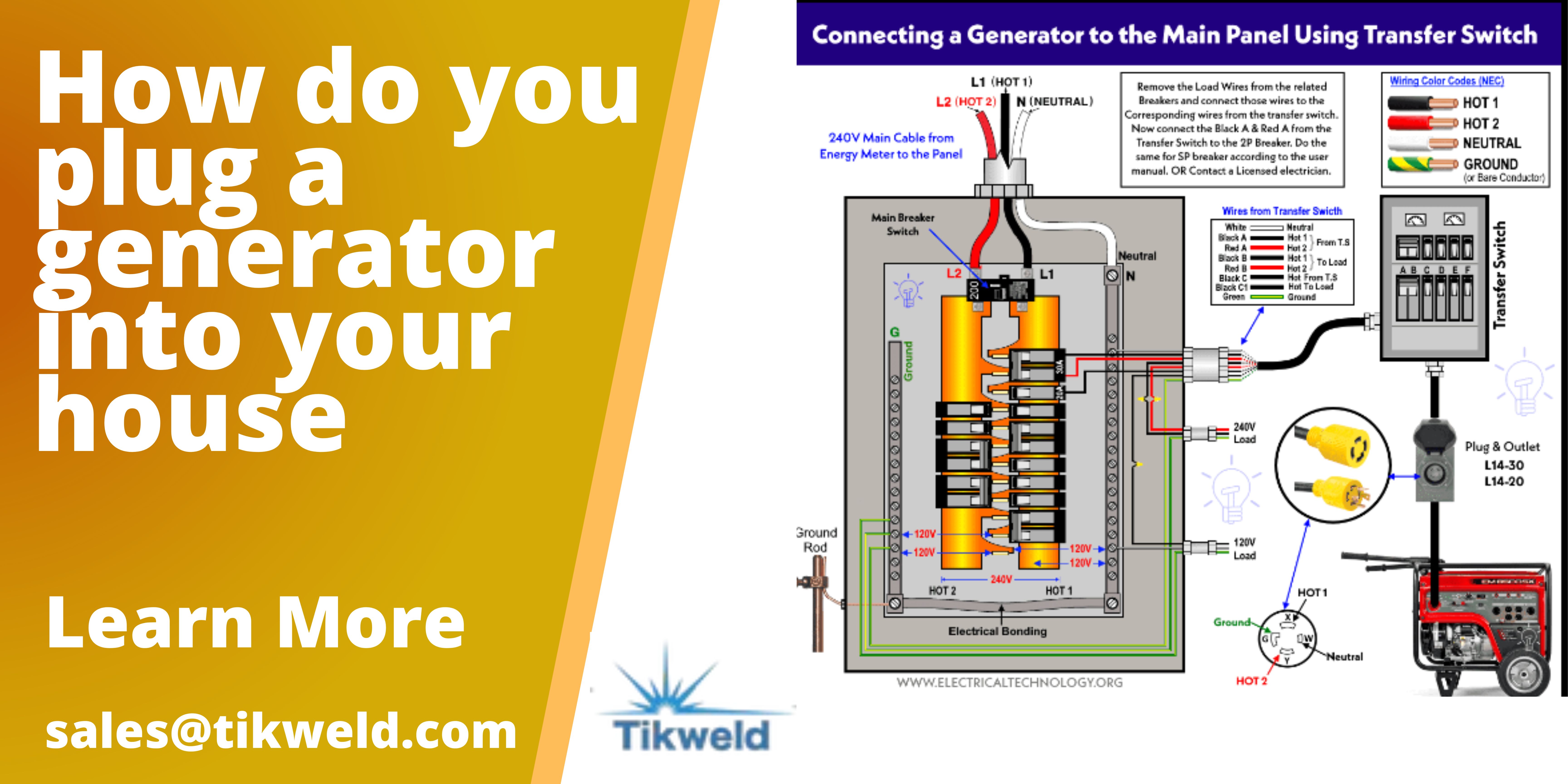
It's like having a robot butler for your electricity. Very fancy. Very convenient. Very expensive.
But hey, if you can afford it, why not? Who wants to fumble around in the dark when the power goes out?
Installation? Call the Experts!
Installing a transfer switch is not a DIY project for the faint of heart. Unless you're a licensed electrician, leave it to the pros.
Seriously, don't try to be a hero. Electricity is not your friend. Unless you know what you're doing, you could end up with a Darwin Award.
Plus, a professional installation will ensure that everything is up to code. So you can sleep soundly knowing that your house won't burn down in the middle of the night.
Generator Placement: Don't Gas Yourself!
Okay, let's talk about generator placement. This is actually a really important point. Like, life-or-death important.
Generators produce carbon monoxide. It's an odorless, colorless gas that can kill you. So, don't run your generator indoors!
I know it's tempting to put it in the garage when it's raining. But resist the urge! Your lungs will thank you.
The Great Outdoors
Always run your generator outside, in a well-ventilated area. Away from windows, doors, and vents.
Think of it like a campfire. You wouldn't build a campfire inside your house, would you? (Please say no.)
Invest in a carbon monoxide detector. It could save your life. Think of it as cheap insurance.
Fueling the Beast: Gas or Propane?
Now, let's talk fuel. Most generators run on gasoline or propane. Which one is better?
Gasoline is readily available. But it can go stale if you don't use it regularly. And it smells kinda gross.
Propane has a longer shelf life. But you need a special propane tank. And it can be a pain to lug around.
My Biased Opinion
Personally, I'm a fan of propane. It's cleaner-burning and easier to store. But that's just my opinion.
The best fuel for you depends on your individual needs and preferences. Do your research! Weigh the pros and cons.
And whatever you do, don't store gasoline inside your house. That's just asking for trouble.
Generator Maintenance: Keep it Running!
Like any machine, your generator needs regular maintenance. Change the oil, clean the air filter, and check the spark plugs.

Think of it like taking care of your car. You wouldn't drive your car without changing the oil, would you?
A well-maintained generator will last longer and run more efficiently. Plus, it will be ready to go when you need it most.
Read the Manual!
The owner's manual is your friend. It contains all the information you need to keep your generator running smoothly.
I know, reading manuals is boring. But trust me, it's worth it. Especially when you're dealing with something as complex as a generator.
Plus, the manual might contain some helpful troubleshooting tips. So you can fix minor problems yourself without having to call a repairman.
Final Thoughts: Be Prepared!
Getting a generator hooked up to your house can seem daunting. But it's not as scary as it looks. Especially if you follow these tips.
Remember, safety first! Don't take shortcuts. And when in doubt, call a professional.
With a little planning and preparation, you can be ready for the next blackout. And you can keep your ice cream from melting. That's the real victory.
So, there you have it. My slightly-less-than-expert opinion on hooking up a generator to your house. Hope it helped!
Now go forth and conquer the darkness! Just don't electrocute yourself in the process. Good luck!