
How Do You Get Watts From Amps

Ever wondered about electricity? It's a bit like a secret club, full of mysterious terms. You hear about amps and watts all the time. But how do you get one from the other? It feels like a riddle, doesn't it?
Many folks, bless their hearts, think amps are the whole story. They imagine electricity as just a river of little electrons, flowing along. More river means more power, right? Well, not exactly.
This is where my "unpopular opinion" comes in. It's the secret ingredient, often forgotten. The unsung hero of the electrical world. The silent partner in making things happen. It's time to shine a light on this overlooked superstar.
Must Read
The Case of the Missing Ingredient
Imagine you have a big crowd of tiny, energetic workers. We'll call them our amps. These little guys are eager to do some work, to push things around. The more of them, the more amps you have. Simple, right?
Now, watts are the actual "oomph." They are the work getting done. Like how fast the blender spins, or how bright the light bulb glows. It's the measure of how much power is actually being used.
So, you might think more of our tiny workers (more amps) automatically means more work (more watts). And that's a very logical thought. But it's missing a crucial piece of the puzzle. A very important piece indeed!
"Just having lots of tiny workers isn't enough. They need a little encouragement, a gentle push."
Introducing the Unsung Hero: Volts!
Here's the big reveal! To get watts from amps, you absolutely need volts. Yes, volts! That's the secret sauce, the forgotten friend, the oomph behind the oomph. It's like the voltage is the "push" or "pressure" that each of our tiny workers gets.
Think of it this way: Our tiny workers (amps) are lined up, ready to push a big rock. If they all just stand there, nothing happens. Zero watts. Even a million tiny workers won't move the rock without some encouragement.

That encouragement, that collective shove, is the volts. It's the electrical "pressure" that makes the amps actually do something. Without volts, you have a lot of potential, but no actual work.
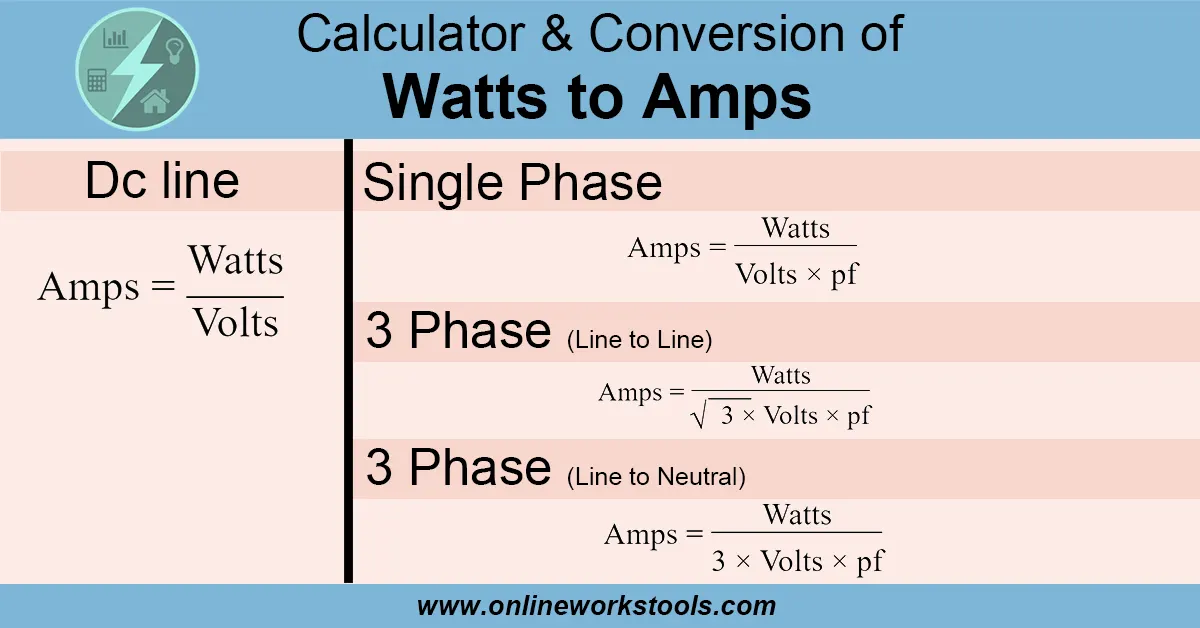
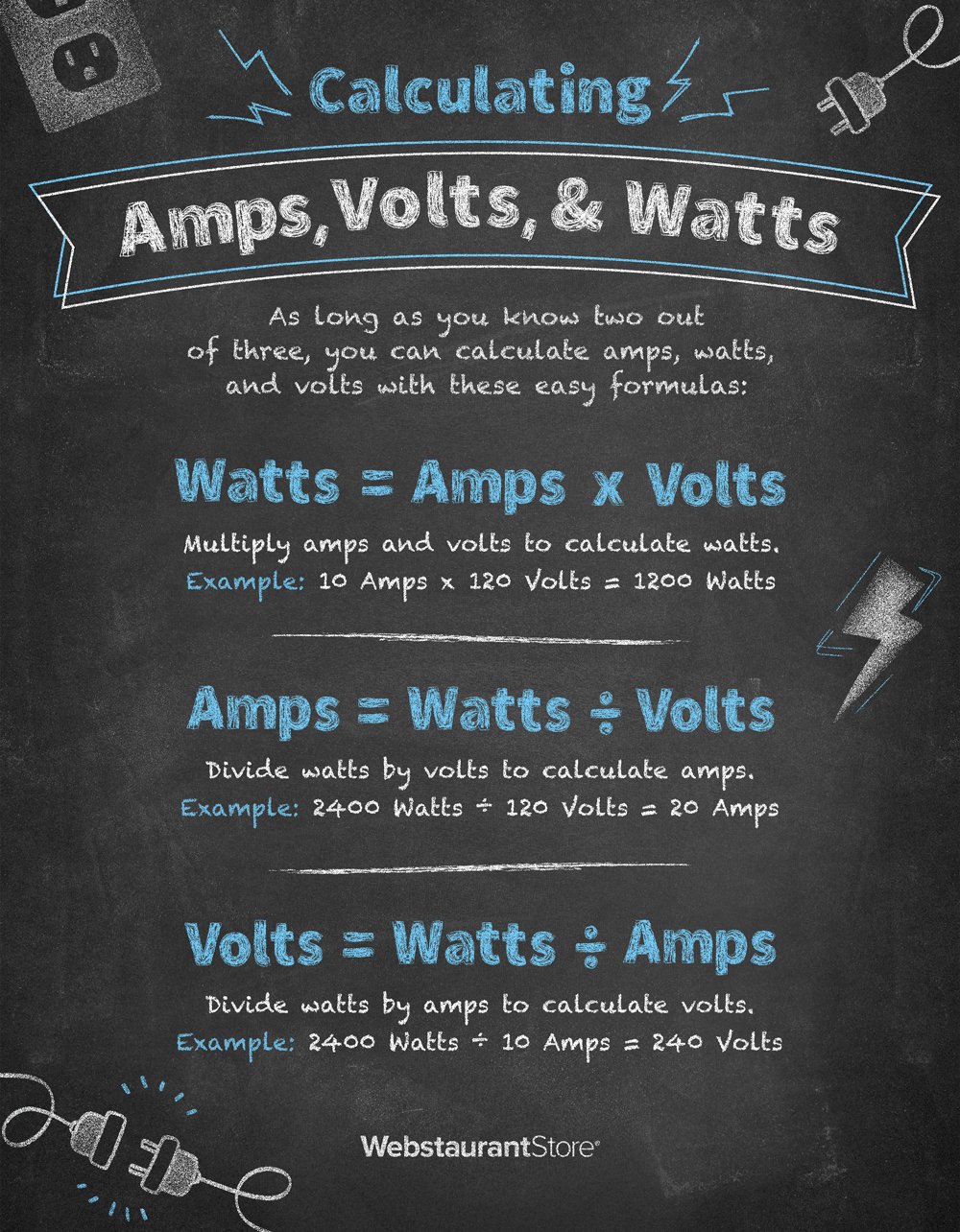
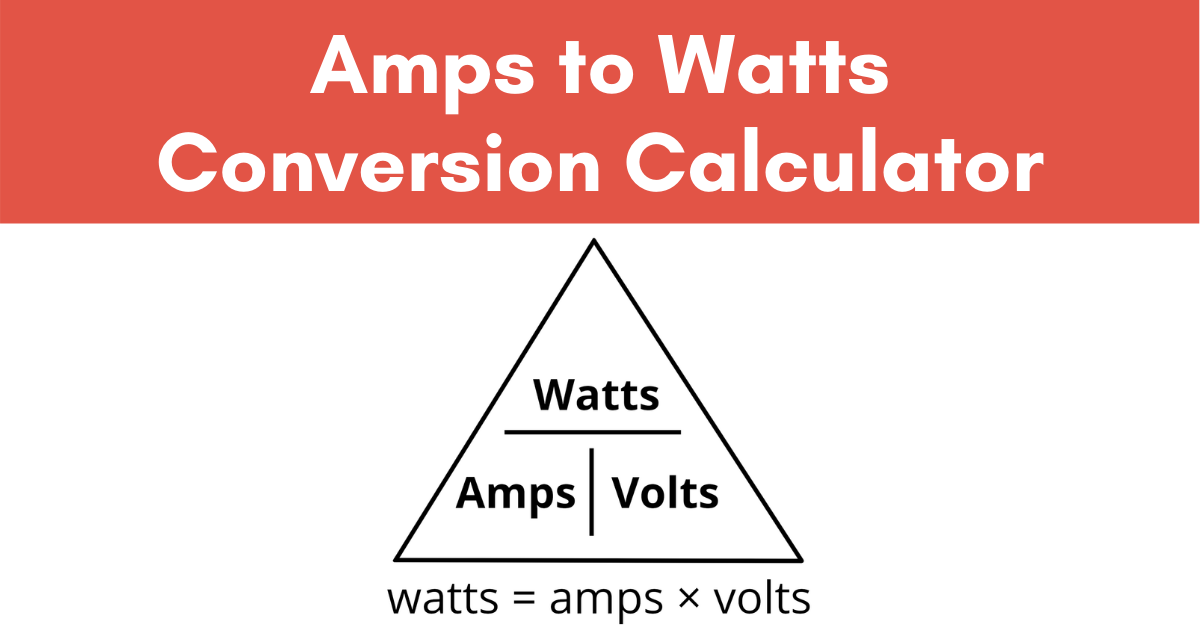
The Magic Formula: Watts = Amps x Volts
It’s not so much magic as it is simple math. To truly get the watts, you multiply your amps by your volts. It's like counting your workers AND how hard each one is pushing. Only then do you know the real power being delivered.
Let's use a fun analogy. Imagine a water hose. The amount of water flowing through the hose each second? That’s your amps. A big rush of water means lots of amps.
But how hard is that water pushing? Is it a gentle trickle or a powerful jet? That "push" is your volts. It’s the water pressure. A strong blast means high volts.
Now, the watts? That’s the actual work the water does. If you're trying to spin a water wheel, or clean mud off your driveway, that's the watts. A gentle trickle (low amps, low volts) won't do much.
But a lot of water (high amps) with a good strong spray (high volts)? Bingo! That’s when you get serious work done. Lots of watts! You can really blast that mud away.
So, if you have a huge hose (lots of amps), but no water pressure (zero volts), you get absolutely no work done. Zero watts. Just a sad, empty hose. My poor analogy of tiny workers would be standing around, utterly baffled.
Why This Matters (Beyond Just Being Clever)
This isn't just a fun little electrical thought experiment. It's how our entire world runs! Think about your phone charger. It probably uses very few amps. But it's designed for a specific voltage from your wall socket.
Your trusty hairdryer, on the other hand, sucks up many more amps. Combined with the same wall voltage, that's how it produces a lot of heat and wind. Many more watts for your fabulous hair!
What if you only had 1 amp, but a gazillion volts? That tiny stream of electrons would be pushed with incredible force! It could still create a lot of watts and do some serious business.
And conversely, having 1000 amps, but only a tiny fraction of a volt? Well, you'd have a huge crowd of very lazy tiny workers. Practically no watts at all. They might just take a nap.
"Remember, when electricity is involved, it's a team effort. Amps and volts, working together, create the magic."
The Enduring Misconception
So, why do people often forget about volts when talking about power? Perhaps because in our homes, the volts are often constant. Here in the US, it's usually around 120 volts.
So, if the volts are always the same, it's easy to just focus on the amps. More amps means more watts, because the volts are silently doing their job. It’s like assuming the sun is always shining, so you just talk about how warm it is.
But step into a different country, say Europe, and you'll find around 230 volts! The same appliance pulling the same number of amps there would produce almost double the watts. See? The volts really, really matter.
It's like having the same water hose (same amps) but turning up the pressure (more volts). Suddenly, that hose is doing a lot more work (more watts)! You can spray things much further and harder.
So next time you hear someone talking about how many amps something draws, give a little nod. Then, perhaps, with a knowing wink, you can mention the true hero of the story. Whisper it: "Don't forget the volts!"
Appreciating the Full Picture
My "unpopular opinion" is simple: we should give volts the credit they deserve. They are the quiet engine, the silent force, the crucial push. Without them, our energetic little amps would just be milling about, doing nothing at all.
So, how do you get watts from amps? You absolutely, positively, undeniably need volts in the equation. It's the trio that makes our electrical world go 'round: amps, volts, and the resulting watts.
Now you know the full, delightful secret. Go forth and share this wisdom! Embrace the power of knowing that it's not just about the flow, but the push behind it. And remember, sometimes the unsung hero is the most important one of all.