
How Do You Get Melted Plastic Off A Stove Burner

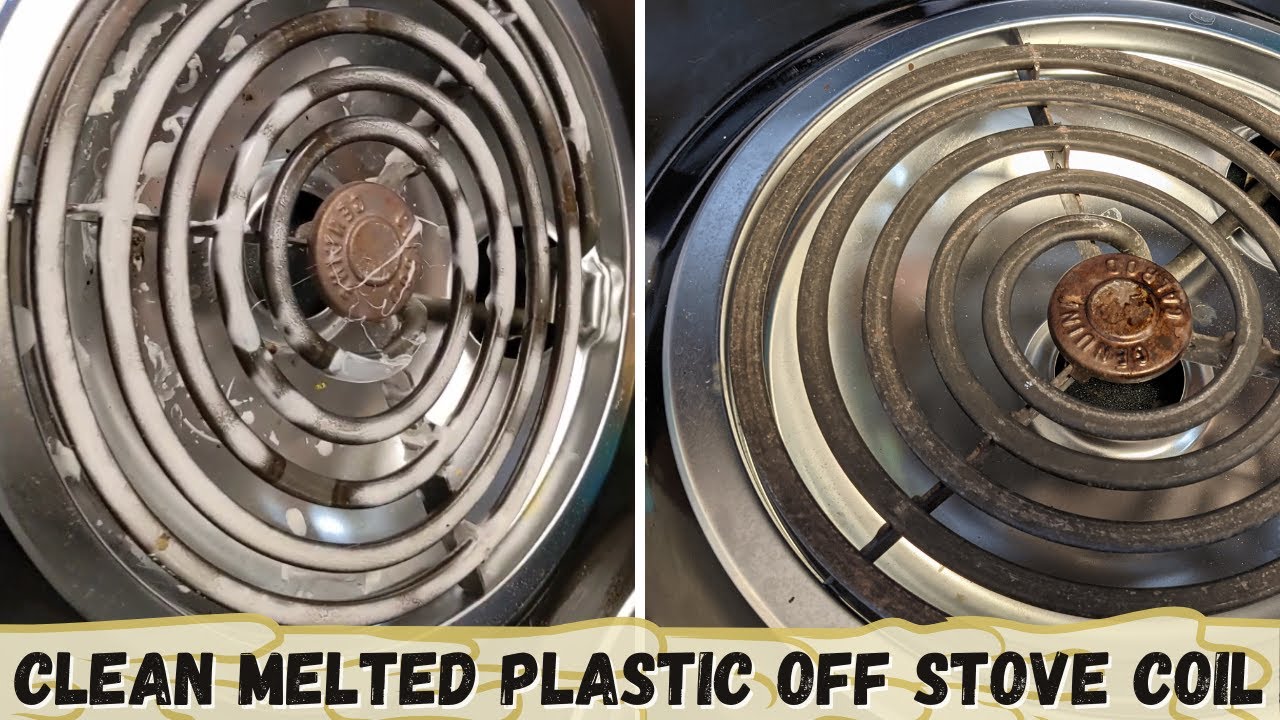
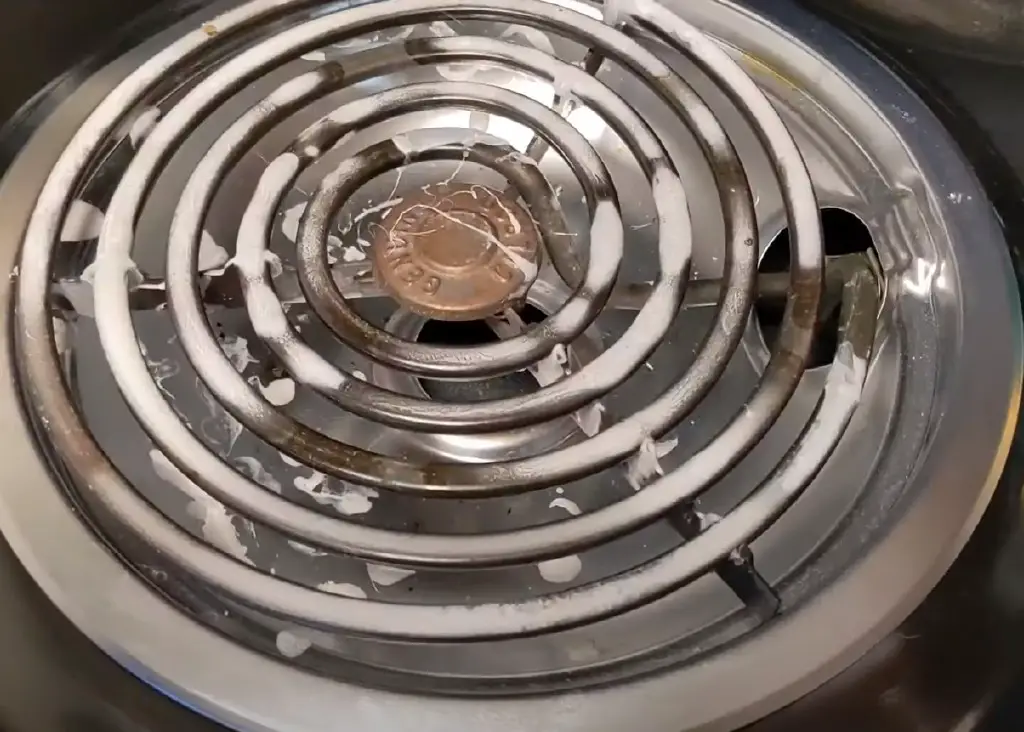
Oops. We've all been there, right? That moment when your kitchen smells suspiciously like a chemical factory. You look over, and BAM! Plastic has taken over your stove burner.
Don't panic! Really, truly, don't.
The Great Melted Plastic Debacle: A Home Cook's Saga
First things first: unplug that stove, or turn off the gas. Safety first, people! We don't need any more drama.
Must Read
The Cold Shoulder Approach
Let it cool completely. Like, completely. Seriously. Patience is a virtue, especially when dealing with molten plastic.
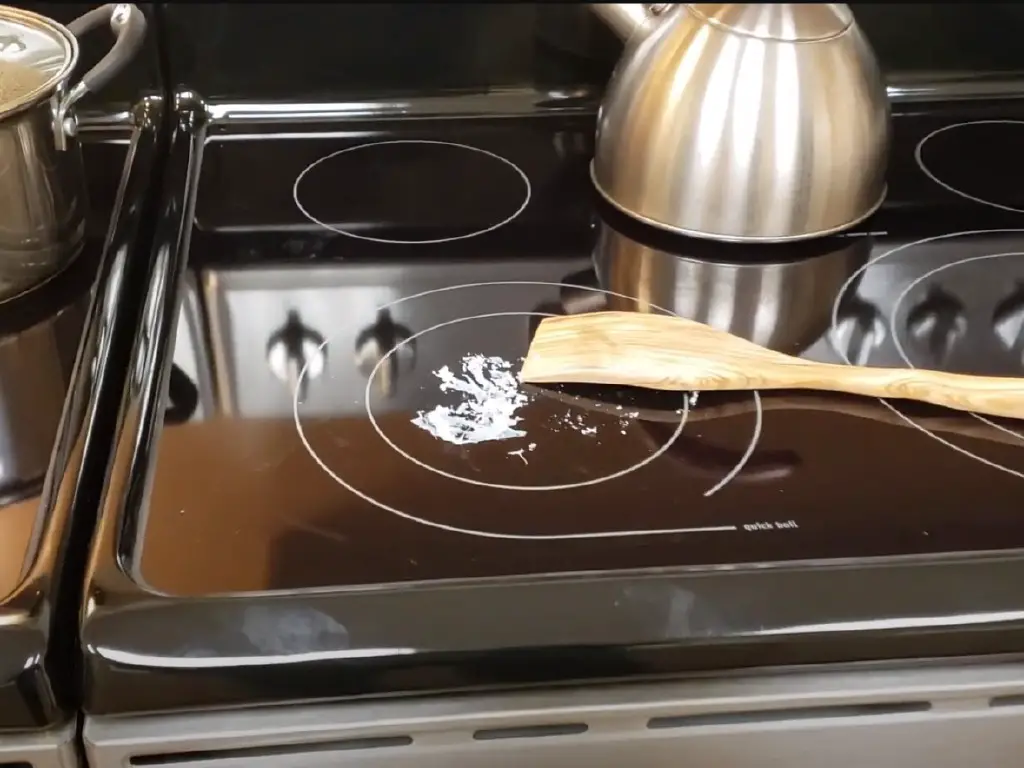
Once it's rock solid, try gently scraping it off. A plastic spatula is your friend here. A metal one? Not so much.
Behold the satisfying crack as the plastic starts to give way. Or, you know, the frustrating stubbornness as it clings on for dear life. It's a gamble, really.
The Icy Rescue Mission
Grab an ice pack or a bag of frozen peas. Wrap it in a cloth. We're going for a localized deep freeze here.
Place the ice pack directly on the offending plastic. Let it sit for a good 15-20 minutes.
The cold should make the plastic brittle. Hopefully, it will chip off more easily. Worth a shot, right?
The "Heat It To Beat It" Method (Use with Extreme Caution!)
Okay, this is where things get controversial. Some people swear by turning the burner on low for a few seconds. Just long enough to soften the plastic.
Then, quickly turn it off and scrape away the softened plastic. Again, plastic spatula ONLY! And good ventilation is key.
But hear me out: if you're even slightly unsure, skip this step. Burning plastic fumes are nasty, and we're trying to fix a problem, not create new ones.
The Vinegar Voyage
Vinegar to the rescue! It’s the unsung hero of countless kitchen mishaps.
Soak a cloth in white vinegar. Place it on top of the cooled plastic.
Let it sit for a few hours, or even overnight. The vinegar might help loosen the plastic's grip.
Scrub gently with a non-abrasive sponge or cloth. Hopefully, you'll see some progress.
The Baking Soda Blitz
Mix baking soda with a little water to form a paste. It should be thick enough to spread.
Apply the paste to the affected area. Let it sit for a while.
The baking soda acts as a gentle abrasive. Scrub gently to lift the plastic residue.
Tools of the Trade (aka What You'll Need)
Here's your shopping list (or, you know, raid your kitchen drawers):
- Plastic spatula (essential!)
- Non-abrasive sponge or cloth
- White vinegar
- Baking soda
- Ice pack or frozen peas
- Patience (lots and lots of patience)
The Unpopular Opinion: Embrace the Imperfection
Okay, here's where I might lose some of you. But hear me out.

Sometimes, despite your best efforts, a tiny bit of plastic remains stubbornly fused to the burner. It happens.
As long as it's not actively melting or emitting fumes, I say... leave it. (Gasp!) It's a battle scar. A testament to your culinary adventures (and occasional kitchen blunders).
Besides, who's really inspecting your stove burners that closely? Unless you're inviting Martha Stewart over for tea, I think you're safe.
Prevention is Key: A Word to the Wise
Now, let's talk about avoiding this whole mess in the first place. How about we all become mindful maestros?
Don't place plastic items near hot surfaces. Obvious, I know. But sometimes the obvious needs repeating. This is especially true for those flimsy plastic utensils. You know the ones. They are just begging for a tragic meltdown.
Clean your stove regularly. Wipe up spills before they have a chance to become cement. A clean stove is a happy stove (and a less likely candidate for plastic-related incidents).
When to Call in the Pros
Okay, let's be real. There are times when you just need to throw in the towel. Some melted plastic situations are beyond the scope of DIY.
If the plastic is deeply embedded, causing damage to the burner, or emitting strong fumes, it's time to call a professional appliance repair person.
Your safety is paramount. Don't risk it trying to tackle a problem that's clearly out of your league.
The Aftermath: Celebrating Your Victory (or Accepting Defeat)
So, you've battled the melted plastic. You've deployed your arsenal of cleaning supplies. What now?
If you emerged victorious, congratulations! Bask in the glory of your clean stove burner. Treat yourself to a well-deserved snack.
If you didn't quite achieve perfection, don't despair. Remember my unpopular opinion. A little imperfection adds character. Plus, you've gained valuable experience for the next time (and let's be honest, there will probably be a next time).
Just remember to keep a close eye on your plastic utensils. Your stove burner will thank you!
The Moral of the Story
Melted plastic on a stove burner is a kitchen rite of passage. It's messy, frustrating, and slightly embarrassing.
But with a little patience, some elbow grease, and maybe a dash of humor, you can conquer this common culinary calamity.
And if all else fails, just blame the cat.
My Final (Possibly Unhelpful) Thoughts
Maybe, just maybe, we should all switch to induction cooktops. They don't get as hot, so the plastic is less likely to completely bond to the surface.
Or, here's a radical idea: ban all plastic from the kitchen. Embrace the stainless steel! Celebrate the wood!
Okay, I'm getting carried away. But seriously, watch out for that Tupperware.
Bonus Tip: The Hair Dryer Hack (Use with Caution!)
I almost forgot this one! Some people swear by using a hair dryer to soften the plastic. Direct the heat onto the plastic, and then scrape it off.
But be careful not to overheat the plastic. Again, ventilation is key.
And for goodness sake, don't melt your hair dryer in the process. That would just add insult to injury.
The Ultimate Pro Tip: Laughter is the Best Medicine
Let's face it, dealing with melted plastic is annoying. No way around that.
So, laugh about it! Share your horror stories with your friends. Misery loves company, right?
After all, it's just a stove burner. It's not the end of the world. Unless it sets your kitchen on fire. Then it's a little more serious.
And Finally...
Go forth and conquer your melted plastic woes! May your stove burners be ever clean, and your plastic utensils ever vigilant.
And if you happen to have any extra-stubborn melted plastic situations, feel free to send pictures. I'm always up for a good kitchen disaster story.
Happy cooking (and cleaning)!