How Do You Generate Electricity From Fossil Fuels
Ever wonder how you can binge-watch your favorite show or keep your house toasty warm on a chilly night? A big part of the answer lies in something we often take for granted: electricity. And a significant chunk of that electricity still comes from fossil fuels. Understanding how this happens is not only surprisingly interesting, but also helps us appreciate the complexities (and challenges) of our energy supply.
So, what's the deal with fossil fuels and electricity? Let's break it down. The core principle is simple: we burn fossil fuels to create heat, and then we use that heat to make electricity. Now, that's a simplification, of course, but it's a good starting point for everyone. For beginners, this gives a basic understanding of where our power comes from. Families might find it a great topic for discussion to encourage kids to learn about the real-world applications of science and engineering. And hobbyists, especially those interested in mechanics or electrical systems, can use this as a springboard to explore more complex energy generation technologies.
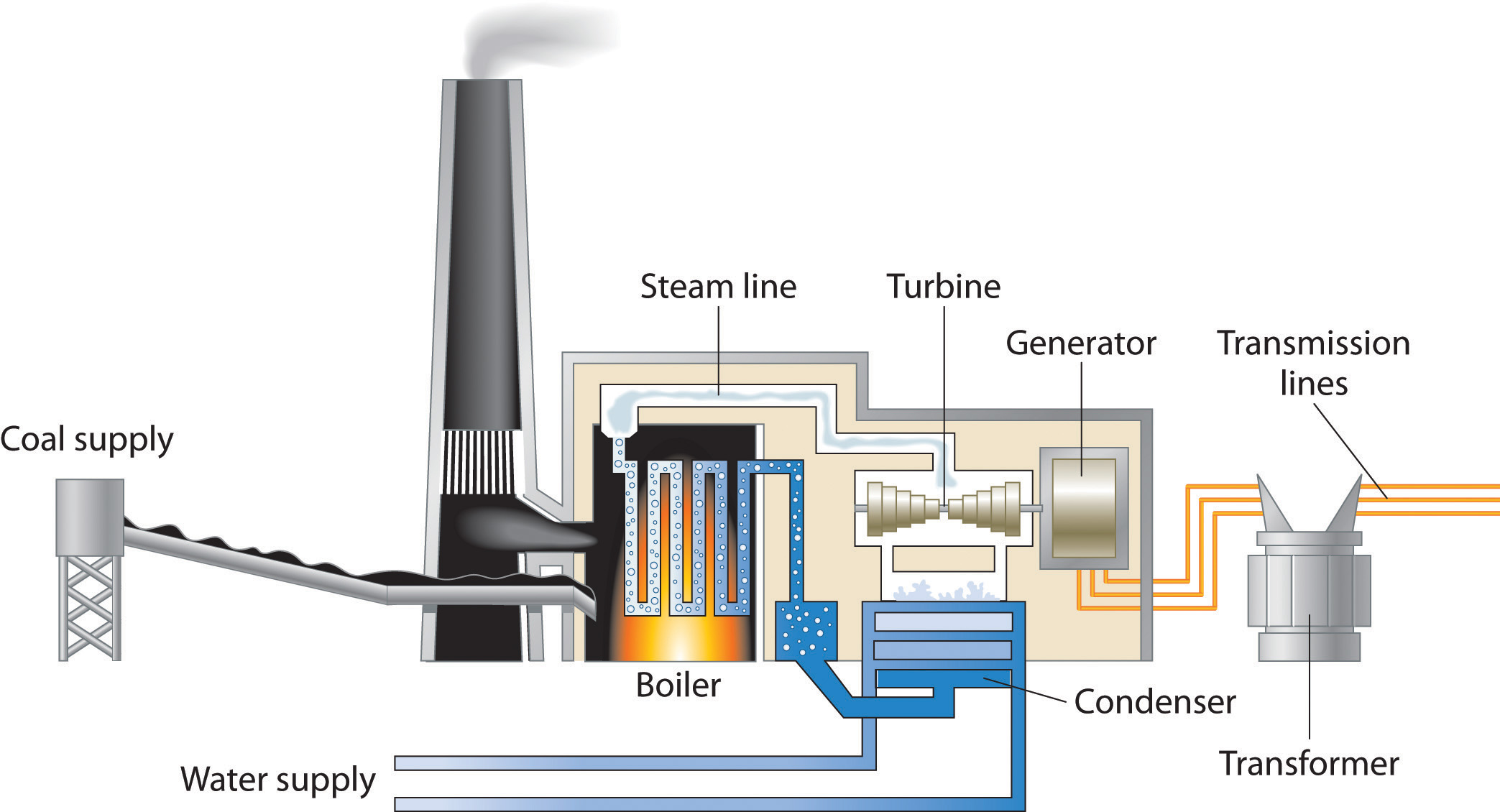
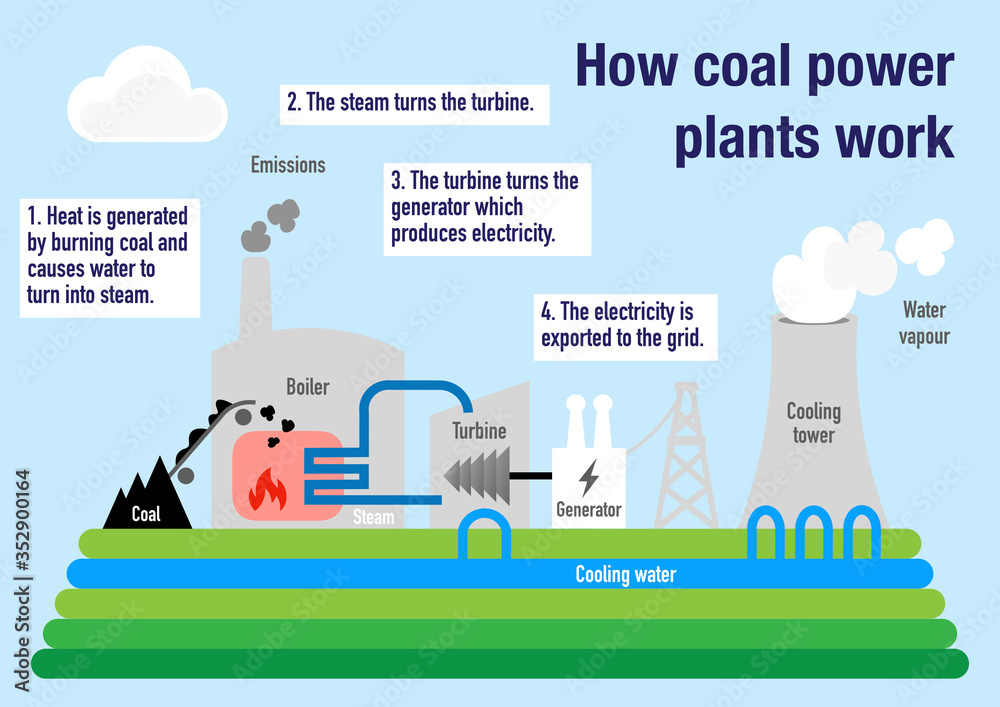
The process usually goes something like this: fossil fuels (coal, oil, or natural gas) are burned in a large furnace. This burning creates a tremendous amount of heat. This heat is then used to boil water, producing high-pressure steam. The steam is then directed at a turbine, which is essentially a giant fan connected to a generator. The force of the steam spins the turbine blades, and this spinning motion turns the generator. The generator, through electromagnetic induction, converts the mechanical energy of the spinning turbine into electrical energy. Finally, this electricity is sent through power lines to our homes and businesses.
Must Read
There are variations in this process depending on the fuel source. For example, coal-fired power plants involve pulverizing coal into a fine powder before burning it, while natural gas power plants often use gas turbines that directly convert the energy of burning gas into mechanical energy. Oil-fired plants are similar to coal plants but use oil as their primary fuel.
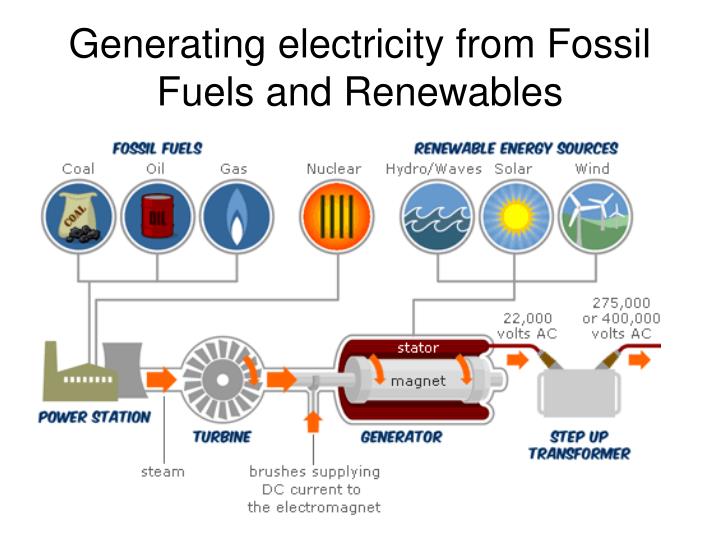
Want to get a better handle on all this? Here are some simple, practical tips. First, look up diagrams of power plants online. Visual aids can be incredibly helpful. Second, watch documentaries or videos that explain the process in detail. There are many excellent resources available for free. Third, research the different types of power plants in your area. Knowing where your electricity comes from can make the topic more tangible. And finally, you can even build a simple steam engine as a hobby project. While it won't generate electricity on a large scale, it will give you a hands-on understanding of the principles involved.
Understanding how fossil fuels are used to generate electricity might seem complex at first, but the underlying principles are surprisingly straightforward. It's a topic that highlights the ingenuity of engineering and the power of scientific principles. So, the next time you flip a light switch, take a moment to appreciate the journey that electricity has taken, from the burning of ancient fuels to the illumination of your home. Knowing how things work can be both empowering and surprisingly fun. Enjoy the spark of knowledge!