How Do You Find Static Friction
Ever walked into a room, placed your coffee mug on a table, and confidently walked away, knowing it wouldn't magically slide off and shatter? Or perhaps you've parked your car on a slight incline, trusting it to stay put until you return? What invisible superhero is at play here, quietly keeping our world from dissolving into a chaotic, slippery mess? My friends, we owe a massive round of applause to the unsung hero of the physical world: static friction. It’s the silent guardian, the stable foundation, and the reason we can rely on things staying exactly where we leave them.
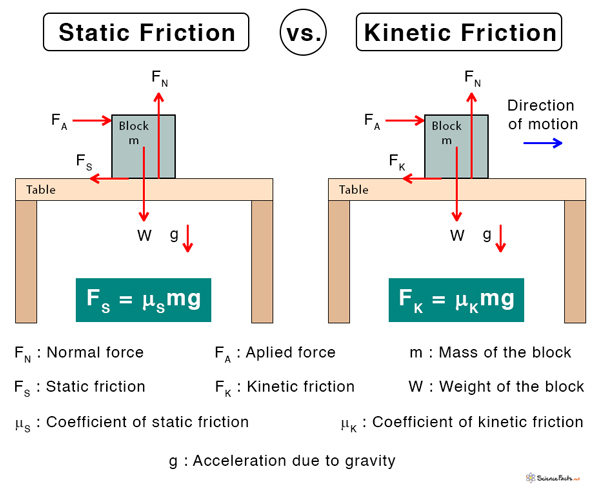
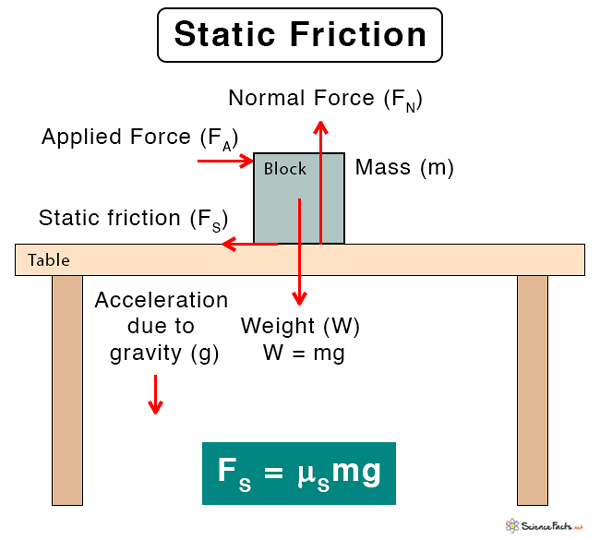
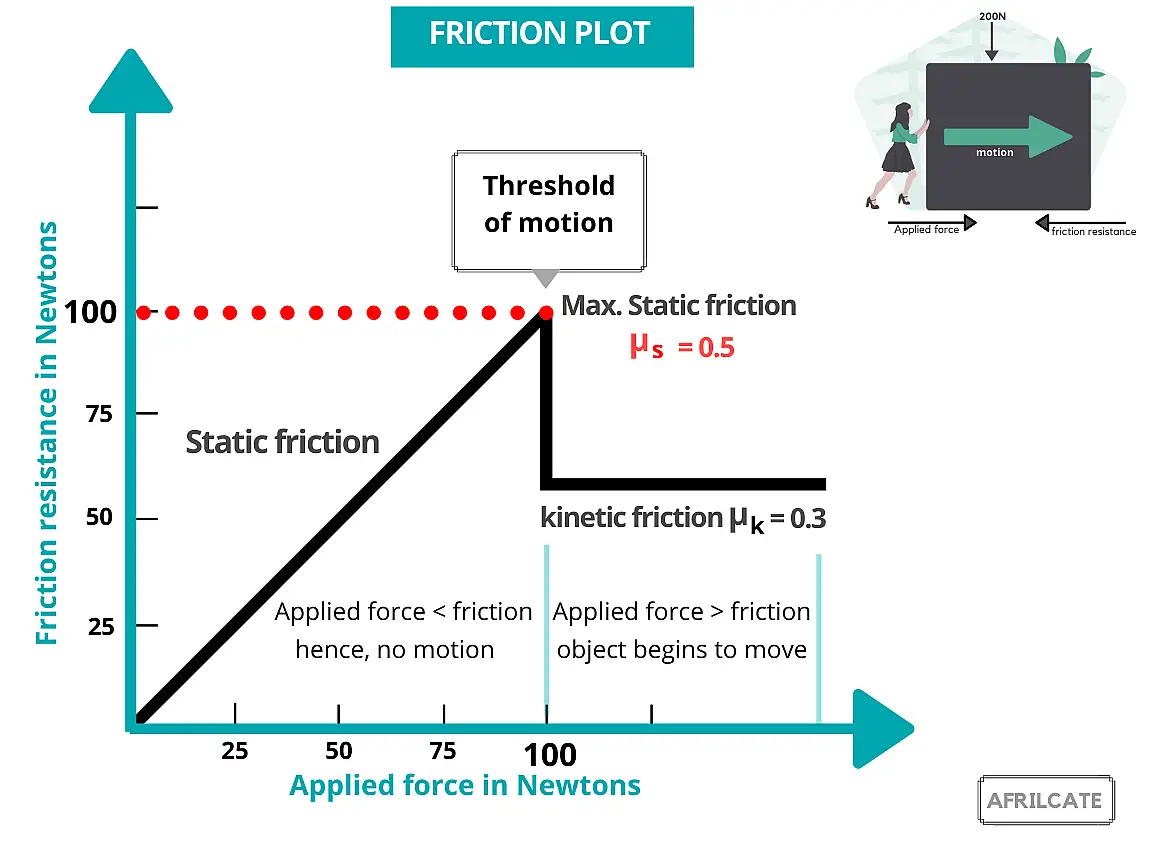
Static friction is more than just a scientific term; it’s the fundamental force that allows our daily lives to function with delightful predictability. Its primary benefit? It keeps things at rest. Think about it: without static friction, your phone would slide off your desk every time you nudged it. Your shoes would offer no grip on the pavement, turning a simple stroll into an Olympic ice-skating routine – without the skates! It’s the crucial force that you need to overcome before any motion begins, ensuring a stable starting point for everything we do. It’s what prevents an object from moving when a force is applied, up to a certain limit. This limit is known as the maximum static friction.
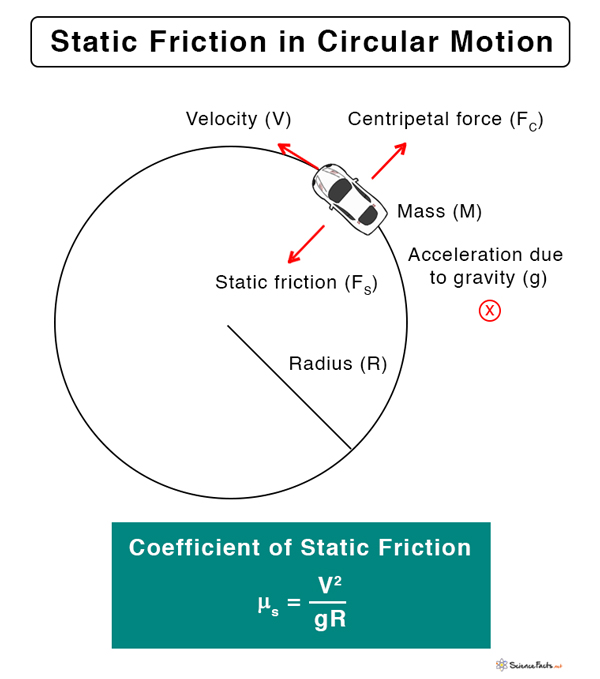
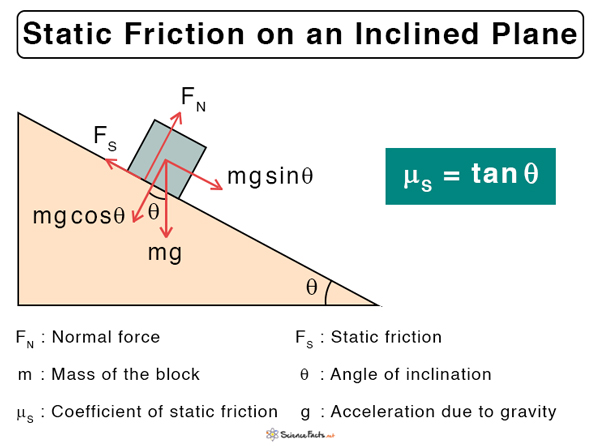
So, where can you "find" this diligent worker in action? Everywhere! It’s what lets a book stay on a tilted shelf. It’s why a ladder leans securely against a wall without slipping. When you push a heavy sofa and it doesn't budge immediately, that's static friction saying, "Not so fast!" Even something as simple as holding a pen or turning a doorknob relies on the static friction between your hand and the object. Car tires gripping the road when you’re parked or gently accelerating from a stop – that's pure static friction preventing slip. It's truly the hidden force that gives us stability and control over our environment.
Must Read
Want to appreciate static friction more effectively? Here are a few practical tips! Firstly, become an observer. Look around you and consciously notice objects that are not moving, despite a potential force acting on them (like gravity on a slope). That’s static friction doing its job. Secondly, conduct a simple experiment: grab a book and try to slide it across various surfaces – a polished table, a carpet, a rough wooden floor. Notice how much force you need to apply before it starts moving. The initial resistance you feel before motion begins? That's the maximum static friction you're overcoming. You'll quickly see that the "stickiness" or "roughness" of the surfaces (known as the coefficient of static friction) plays a huge role. Finally, the next time you walk without slipping, or your coffee mug stays put, give a quiet nod of thanks to static friction. Understanding it allows us to design safer roads, build more stable structures, and simply enjoy a world where things largely stay put until we decide otherwise. It truly is one of the most fundamental and empowering forces in our everyday lives.